The Mt Kenya Times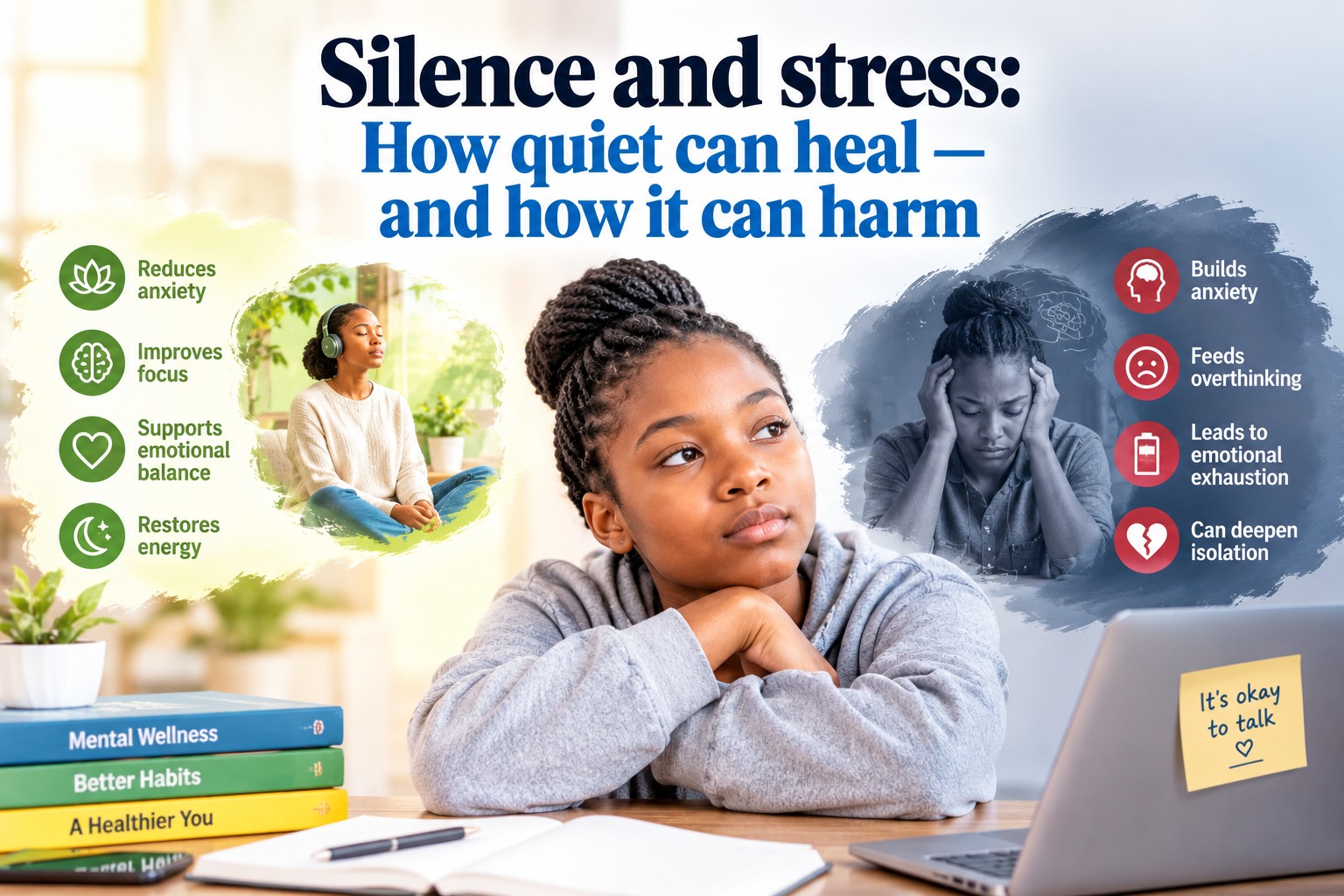
In a world drowning in noise, learning to distinguish between restorative silence and the silence of unspoken pain may be one of the most important things we can do for our mental health
By Wanjohi P. Mugambi
Noise is everywhere. Traffic, phones, social media, conversations and the relentless chatter of our own racing thoughts fill almost every waking hour. Many people assume that stress comes primarily from having too much to do. But a deeper and less discussed cause of stress is having too little silence. At the same time, silence itself can be a source of suffering when it is forced, lonely or filled with pain that has nowhere to go. Understanding both faces of silence is essential for anyone serious about protecting their mental health.
Stress is the body’s natural response to pressure, and in small doses it is not harmful. It sharpens focus, drives performance and helps us respond to danger. The problem arises when stress becomes constant and there is no space to recover. The heart races, sleep deteriorates, the stomach aches, the mind grows irritable and hope begins to fade. In Kenya, many young people and adults live with chronic stress rooted in unemployment, financial pressure, family conflict, academic demands, loss or trauma. Because there is rarely a moment to pause, the nervous system remains locked in a state of high alert, draining the body and mind of the resources needed to cope.
This is where intentional silence becomes genuinely healing. Intentional silence is not about withdrawal or refusing to engage — it is about creating deliberate moments of quiet that allow the brain and body to rest and reset. When we spend our days listening to music, scrolling through feeds, chatting or worrying, the brain’s stress centres remain continuously active. But when we sit in quiet, even briefly, the parasympathetic nervous system — the part responsible for rest and recovery — begins to take over. Breathing slows, blood pressure drops and cortisol, the primary stress hormone, begins to fall.
Silence also helps us hear what noise conceals. Much of our stress is carried in emotions and thoughts we have never had time to process. We push them aside and stay busy, but they do not disappear — they accumulate as tension, sudden anger or unexpected tears. Taking a few minutes of quiet each day creates space to check in honestly with ourselves. Sitting in a corner of the house, resting under a tree or walking alone without earphones and simply asking — what am I feeling right now, and what does my body need — is a practice that prevents stress from building into burnout, anxiety or depression.
Silence also sharpens focus and improves decision-making. When the mind is constantly overstimulated, every problem feels equally urgent and overwhelming. In quiet, clarity returns and it becomes easier to separate what is genuinely important from what is merely loud. Students who revise in silence, away from phones and noise, consistently report better retention and less pre-examination panic. Workers who begin their day with five to ten minutes of silence, prayer or deep breathing report feeling calmer and more in control, even when the day becomes demanding.
In relationships, too, silence carries underappreciated value. We often cause unnecessary stress in our families and friendships by speaking too quickly, defending ourselves reflexively or failing to truly listen. Practising intentional silence in conversation — listening without already preparing a reply — builds trust and reduces conflict. In moments of anger, choosing a brief silence before responding frequently prevents words that cannot be taken back. Silence, in this sense, is not weakness. It is wisdom.
Yet there is another form of silence that does the opposite of healing — the silence of avoidance, isolation and unspoken pain. Across many communities in Kenya, important issues are never discussed. Gender-based violence, childhood abuse, mental health struggles, financial hardship and grief are kept quiet because of shame, fear or stigma. When pain is silenced, it does not fade. It grows heavier. A person who has been hurt and is told to keep quiet, to forget, or simply to be strong, begins to feel alone, guilty and without worth. This kind of silence is a significant driver of chronic stress, anxiety, post-traumatic stress disorder and depression.
Loneliness is its own form of stressful silence. A person can be surrounded by people and still feel completely unseen and unheard. Many young people who spend hours online but have no one to confide in describe exactly this experience — their phones are loud but their hearts are silent. When nobody asks how someone is really doing, stress accumulates without any outlet. Breaking that harmful silence — by speaking to a trusted friend, elder, counsellor or faith leader — is often the first and most important step toward relief.
Building a daily rhythm of intentional quiet does not require long stretches of solitude. Small, consistent moments are enough. Waking ten minutes earlier and sitting quietly before reaching for a phone tells the nervous system that the day begins with peace rather than urgency. Simple breathing exercises — inhaling slowly through the nose for four counts, exhaling through the mouth for six — repeated five times in silence, can shift the body out of a stress response within minutes. Silent walks, taken without earphones and with attention given to what is seen, heard and felt underfoot, offer a low-cost and accessible form of recovery that is available to almost anyone.
Digital silence matters as well. Phones deliver hundreds of notifications that keep the brain in a permanent state of urgency. Setting specific times to step away from social media, switching off non-essential alerts, or spending the final hour before sleep away from screens allows the mind to unwind. Many people find that sleep improves noticeably once nighttime scrolling is replaced with silence, prayer or reading.
Breaking harmful silence requires equal intention. Journaling — writing honestly in a private notebook about what one is feeling — gives voice to pain without fear of judgment and is a useful first step. When ready, sharing with a safe and trusted person, even just saying “I have been feeling overwhelmed lately,” begins to lift the weight. Where stress is affecting sleep, appetite, study or work for more than two weeks, professional support is worth seeking. Amani Counselling Centre, the Kenya Red Cross toll-free line on 1199 and county hospital mental health units are among the accessible options available.
In the quieter moments, something else becomes possible — reconnection with what matters beyond the immediate pressures. For many people, that means faith, family, service to others or simply time in nature. Watching the sunset in silence, tending a garden or sitting in prayer or meditation can remind us that life is larger than our current difficulties.
Silence is powerful in both directions. Chosen with intention, it heals stress, restores clarity and returns us to ourselves. Imposed through fear, shame or isolation, it deepens suffering and cuts people off from the help they need. The goal is neither constant noise nor unbroken quiet, but the wisdom to know when to be still and when to speak. Cultivate healing silence daily, and find the courage to break harmful silence when your heart needs to be heard. In that balance, stress becomes manageable and peace becomes genuinely possible.
Similar Posts by The Mt Kenya Times:
- Strike pause, brooms out: Laikipia students clean up local market
- Kenya’s dairy crisis: Why the milk is running dry
- Ebola in Kenya: Are we really ready?
- Trans-Nzoia: Why Kenya’s breadbasket has no maize this season
- Television or the internet: The battle for young minds
About the Author