The Mt Kenya Times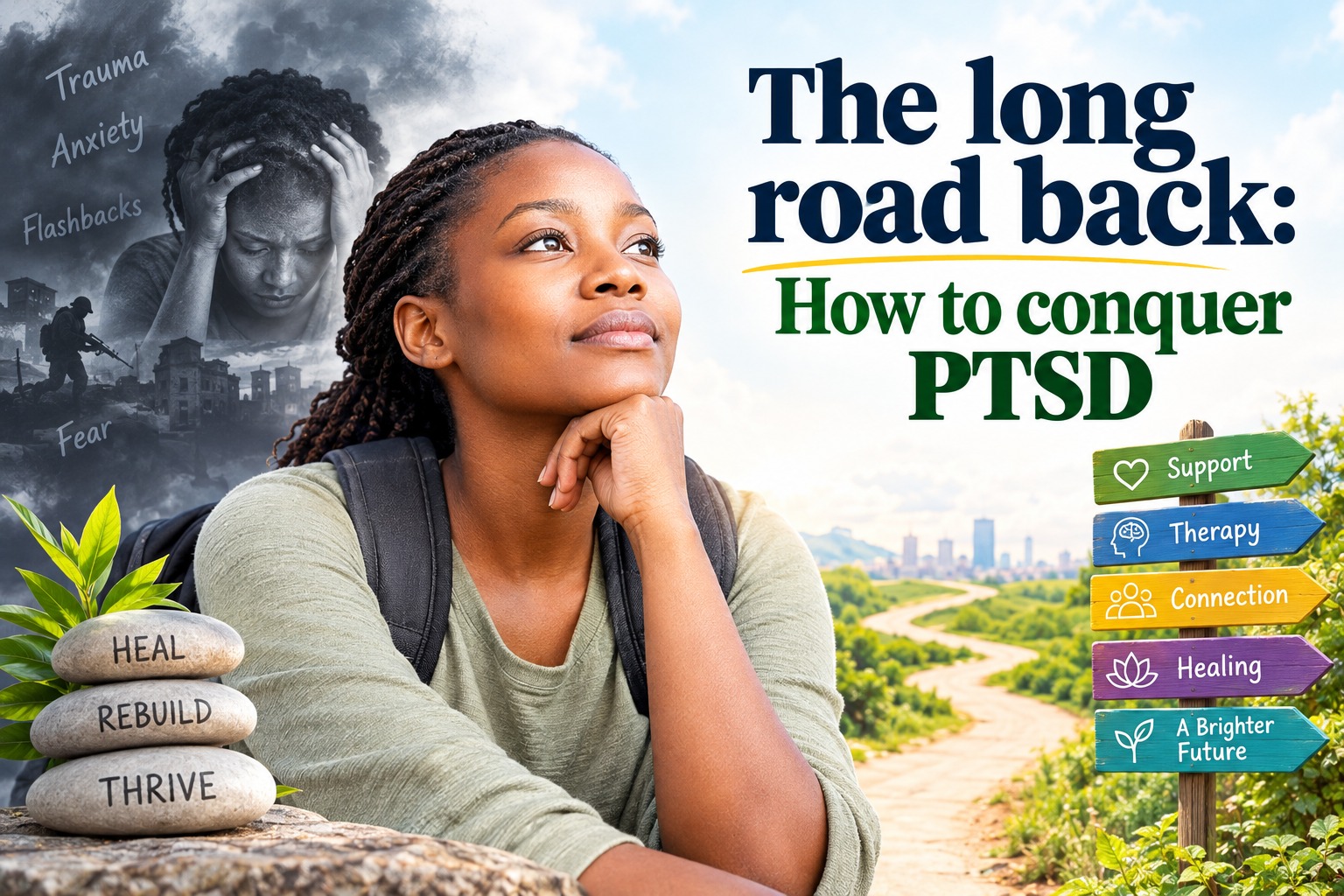
For millions living with the silent aftermath of trauma, healing is possible — but it begins with understanding
By Wanjohi P Mugambi
Post-Traumatic Stress Disorder is not a sign of weakness. It is a normal response to an abnormal event — what happens when the mind and body are unable to process a terrifying experience and remain locked in survival mode long after the danger has passed. In Kenya and around the world, PTSD follows road accidents, gender-based violence, childhood abuse, bereavement, medical emergencies, political violence and the simple but shattering experience of witnessing something no human being should ever have to see. The event may be over, but the nervous system has not yet received the message.
PTSD can affect anyone, regardless of age, gender or perceived strength. Its symptoms fall broadly into four categories. Re-experiencing occurs when flashbacks, nightmares or intrusive memories make the trauma feel as though it is happening all over again. Avoidance leads survivors to steer clear of people, places, conversations or thoughts that carry any association with the original event. Negative changes in mood and thinking produce feelings of numbness, guilt, hopelessness or persistent self-blame. Hyperarousal keeps the person permanently on edge — easily startled, irritable, unable to sleep or concentrate. These symptoms often surface weeks or months after the trauma and, left unaddressed, can persist for years. When they have lasted more than a month and are disrupting daily life, professional support is not optional. It is essential.
Healing, however, cannot begin until safety is established. This means physical safety — distance from the person or situation that caused harm — and emotional safety, the assurance of being around people who listen without judging or demanding that you simply move on. Many survivors exhaust themselves trying to appear strong, projecting a composure they do not feel. True strength, though, lies in the honesty of saying: I was hurt, and I need help. Building a daily routine, creating a calm space at home, and reducing exposure to violent or triggering media content all help the nervous system begin, slowly, to settle.
Once that foundation is in place, it becomes important to understand that PTSD lives in both the mind and the body. Trauma freezes experience at a physical level, which is why talking alone is frequently not enough. The body needs to be brought into the healing process. Breathing exercises are a powerful starting point. When a flashback or panic attack arrives, breathing becomes rapid and shallow, signalling danger to the brain. Slow diaphragmatic breathing — inhaling deeply through the nose for four counts, exhaling through the mouth for six — interrupts that signal and begins to restore calm. Grounding techniques serve a similar purpose. When a person feels pulled back into the trauma, the five-four-three-two-one method — naming five things you can see, four you can touch, three you can hear, two you can smell, one you can taste — anchors the mind in the present. Splashing cold water on the face or pressing both feet firmly into the floor can achieve the same effect. Regular physical activity, whether walking, running, dancing or farming, helps burn off excess adrenaline and rebuilds the body’s sense of its own agency.
As the body steadies, healing requires something more demanding: processing the memory itself. Avoidance keeps PTSD alive. The brain needs to gently confront what happened so it can finally file the experience as past rather than present. This should not be attempted alone. Evidence-based therapy is the most effective path through it. Trauma-Focused Cognitive Behavioural Therapy helps survivors identify and challenge distorted thinking — the belief that the event was their fault, or that the world is irredeemably dangerous. Eye Movement Desensitisation and Reprocessing, known as EMDR, enables the brain to reprocess traumatic memories so they become less vivid and less debilitating over time. Narrative Exposure Therapy, widely used across Africa, helps survivors construct a coherent account of their lives in which the trauma has a place but does not define the whole story. These approaches are available through psychologists and psychiatrists at county referral hospitals, private facilities and organisations including Amani Counselling Centre, Chiromo Hospital Group, Befrienders Kenya and Kenya Red Cross psychosocial support teams. Seeking therapy is not madness. It is wisdom.
Rebuilding connection is equally central to recovery. Trauma isolates. Shame — the belief that no one will understand, that what happened marks you as different or broken — thrives in silence. It heals in community. Reconnecting with trusted people, whether through a survivor support group, a faith community, a respected elder or a friend willing to listen without rushing to offer solutions, gradually reduces the power of isolation. Sharing your story in small, manageable portions lightens its hold. Faith, prayer and cultural ritual can be profound sources of healing when they affirm rather than shame. Many survivors also find that helping others — through service, advocacy or mentoring — transforms pain into purpose, and purpose into resilience.
Forgiveness, frequently misunderstood in the context of PTSD, deserves a careful word. It does not mean excusing what happened. It does not require reconciliation with someone who remains dangerous. It means, simply, releasing yourself from the weight of carrying another person’s offence indefinitely. It is a personal decision, arrived at in personal time, and should never be forced or rushed by anyone outside the survivor’s own journey.
Long-term recovery demands patience. Healing is not a straight line. Anniversaries, a particular sound, a familiar smell — any of these can surface a memory months after significant progress has been made. That is not failure. It is the nervous system asking for more time and care. Resilience is built steadily, through consistent sleep, regular meals, reduced use of alcohol and substances that numb without healing, and the daily practice of self-compassion — speaking to yourself with the same gentleness you would offer a dear friend who had been deeply hurt. Small victories matter: sleeping through the night, returning to a market previously avoided, telling your story for the first time. Celebrate them.
If thoughts of self-harm arise, if hopelessness becomes total, or if alcohol or drugs have become the only way to cope, reach out immediately. The Kenya Red Cross toll-free line is 1199. Befrienders Kenya can be reached at 0722 178 177. The nearest hospital emergency department is always an option. You do not have to face this alone.
PTSD is conquerable. Thousands of people who once lived with nightmares, constant fear and intrusive memories now live full, productive and joyful lives. They did not heal by forgetting. They healed by learning to remember without reliving — by calming their bodies, reprocessing their memories with professional guidance, rebuilding their connections and finding new meaning in what remained. Healing does not erase the past. It restores your power over your present and your future. If you are still in the middle of this journey, hold on. Your story is not over.
Similar Posts by The Mt Kenya Times:
- The hidden pressure of being a university student
- Youth surge in Kenya’s 2027 elections: From protest to power
- Kenya’s educated jobless: A generation waiting for a chance
- Eldoret must deliver more than a ceremony
- When lectures stop, student lives stand still
About the Author