Mashujaa Day 2026: Eldoret’s moment of national pride, the test of inclusion and the promises Kenya must now fulfil
 The Mt Kenya Times
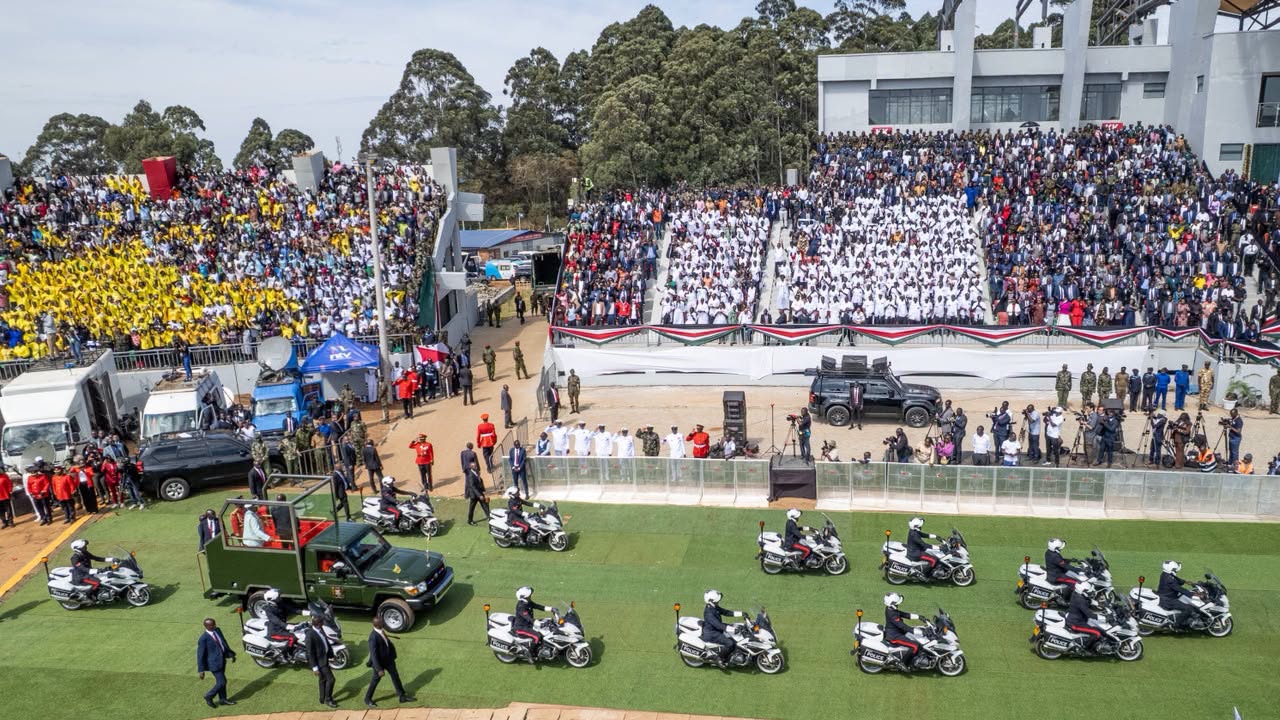
Mashujaa Day 2026
By Mr. Fredrick Kipchumba Chelimo – PWD
Email; fkipchelimo@yahoo.com
“A nation honours its heroes not merely by celebrating their sacrifices, but by ensuring that the freedom, dignity and opportunities they fought for are enjoyed by every citizen, without discrimination or exclusion.”
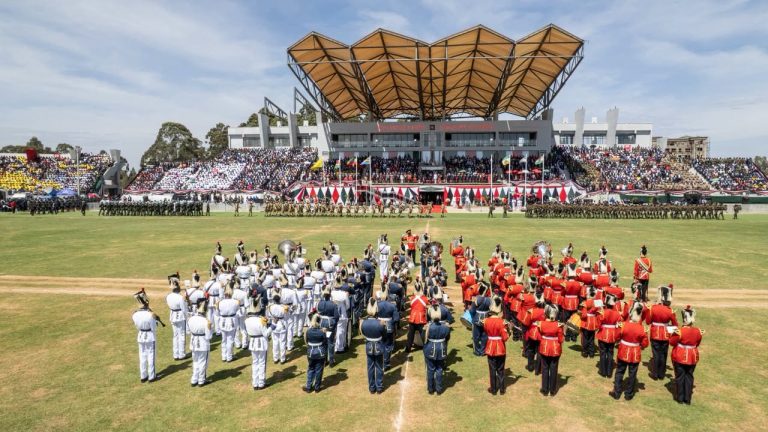
The Mashujaa Day celebrations held on 20th October 2026 at Kipchoge Keino Stadium in Eldoret brought Kenya together in a moment of national pride, reflection and renewed hope. For Uasin Gishu and the wider North Rift, the occasion was more than a national ceremony. It was an opportunity to demonstrate the region’s contribution to Kenya’s sporting excellence, agricultural productivity, economic development and national identity. The presence of the country’s leadership, security agencies, invited guests and members of the public gave Eldoret an important place in the national conversation. Yet, as the celebrations reached their culmination, a question remained: beyond the colour, military precision, speeches and patriotic symbolism, how successfully did Mashujaa Day respond to the expectations of ordinary Kenyans, and how effectively did the entire process embrace the principle that every citizen belongs?
The day deserves a balanced assessment. It offered a valuable opportunity to celebrate national heroes, strengthen unity and showcase the North Rift’s potential. It also provided the government with a platform to explain its development agenda and communicate commitments touching on security, sports and the economy. These achievements should not be dismissed. Organising a national celebration of this scale requires extensive coordination among national and county governments, security agencies, service providers and local communities. Eldoret’s opportunity to host such a prominent occasion was itself a recognition of the region’s growing national importance. Nevertheless, the success of a national celebration must be measured not only by how impressive it appears on television, but also by how fairly it is organised, whom it includes and what remains after the final guest departs.
The theme of security, sports and the economy was particularly relevant to the North Rift. Security is indispensable to agricultural production, trade and investment; sports provide opportunities for talent development, national recognition and employment; and economic growth must ultimately improve household welfare. President William Ruto’s address sought to reinforce confidence in the administration and outlined measures intended to ease economic pressures and expand opportunities. Such commitments matter, particularly when families continue to grapple with the cost of living and young people face uncertainty in the employment market. However, the distinction between an announcement and an achievement must remain clear. Tax relief must translate into tangible benefits for eligible citizens, internship opportunities must be transparent and adequately funded, and development promises must be accompanied by realistic timelines, responsible institutions and public accountability. The ultimate test is whether people experience meaningful improvements in their daily lives.
Security equally deserves a measured assessment. Communities in parts of the wider North Rift have experienced banditry, livestock theft and disruptions that undermine livelihoods and confidence in public institutions. Any demonstrable improvement in security, recovery of illegal firearms and restoration of access to essential services deserves recognition. But security cannot be judged solely by the peaceful conduct of a national celebration. Its enduring measure is whether pastoralists can move their livestock safely, farmers can access their land, traders can travel without fear and children can attend school consistently. The occasion should therefore renew the commitment to sustained security, justice, reconciliation and economic recovery in affected communities rather than create the impression that the challenge has been permanently resolved.
For Eldoret, the celebrations brought national visibility and the prospect of increased commercial activity, tourism and investment. Uasin Gishu had an opportunity to showcase its agricultural strength, educational institutions, enterprise and urban development. Nandi could reaffirm its reputation as a centre of athletic excellence, while Elgeyo-Marakwet could highlight its contribution to Kenya’s sporting achievements. Yet regional pride must not obscure the disappointment that may arise when expectations associated with hosting are not fully realised. The relocation of the principal ceremony from Kamariny Stadium in Iten to Eldoret, amid incomplete stadium development, raised legitimate questions about infrastructure delivery and the opportunities anticipated by Elgeyo-Marakwet residents. Continuing construction may be a positive commitment, but the meaningful outcome will be a completed, accessible and functional facility that serves athletes and the surrounding community.
The most important question, however, concerns inclusivity. A national celebration is truly representative only when the people who contribute to the nation’s progress can participate meaningfully in its preparation, execution and benefits. Inclusion must begin long before the ceremonial day. It requires transparent planning, consultation with affected communities, fair access to opportunities, accessible venues, appropriate transport arrangements, clear communication and reasonable accommodation for persons with disabilities. It also requires deliberate consideration of older persons, caregivers, children, low-income households and citizens who may encounter physical, financial or communication barriers.
For persons with disabilities, the assessment must extend beyond whether a few individuals were present at the stadium or whether disability was acknowledged in official speeches. Meaningful inclusion asks whether persons with disabilities and their representative organisations participated in planning and decision-making; whether entrances, pathways, toilets, seating and emergency evacuation arrangements were accessible; whether sign-language interpretation, accessible information and appropriate assistance were available; and whether participation was dignified rather than merely symbolic. It also asks whether procurement, employment, service delivery and other economic opportunities associated with the celebrations were accessible to qualified persons with disabilities and other historically marginalised groups.
Without independently verified evidence, it would be unfair to declare that all these requirements were either met or neglected. Nevertheless, they are essential standards against which the entire process should be evaluated. Physical attendance does not automatically establish inclusion, just as the absence of visible barriers in a televised ceremony does not prove that every participant enjoyed equal access. A truly inclusive national event anticipates different needs instead of expecting citizens to overcome avoidable obstacles on their own.
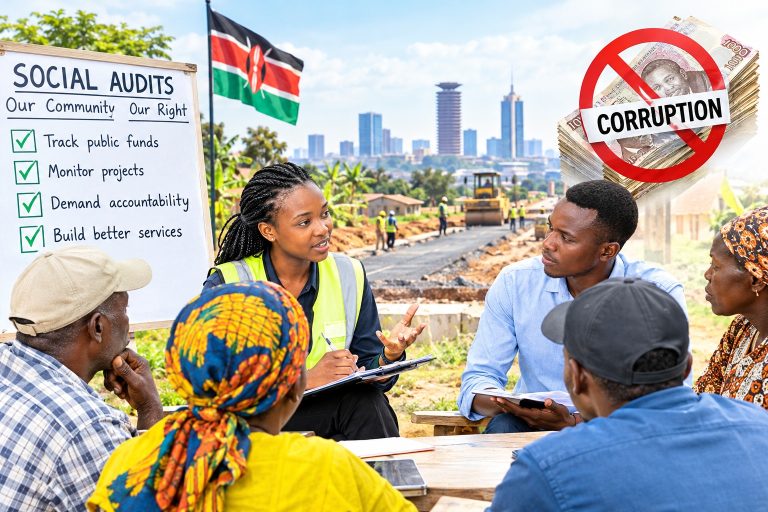
Inclusion also has an economic dimension. Local traders, small enterprises, young people and community organisations should have a fair opportunity to benefit from the business generated by an event of this magnitude. Where public procurement is involved, transparency and compliance with applicable laws should guide the allocation of contracts and opportunities. Residents should be able to identify the local employment created, businesses supported and community benefits delivered. National celebrations should not become occasions in which public expenditure is widely distributed while economic opportunities remain concentrated among a privileged few.
For the wider North Rift, the expectations extend beyond one day of national attention. Residents need better rural roads, reliable water supplies, affordable healthcare, stronger agricultural markets, quality education and opportunities for young people. Persons with disabilities need accessible public infrastructure, reasonable accommodation, equitable employment and meaningful participation in public decision-making. These priorities are not separate from national development; they are among its most important measures. The government must also recognise that political unity cannot be sustained through ceremonial gatherings alone. It grows when citizens see fairness in the distribution of resources, accountability in the use of public funds and respect for their rights, regardless of political affiliation, economic status or disability.
As the celebrations concluded, Kenya had reason to appreciate the patriotic spirit, organisation and regional visibility associated with the occasion. At the same time, the country should resist the temptation to confuse the successful completion of a ceremony with the fulfilment of the aspirations expressed during it. The final assessment must consider the entire process, from planning and public participation to accessibility, expenditure, local economic benefits and implementation of the commitments announced.
Mashujaa Day 2026 was therefore a meaningful national celebration and a valuable opportunity for Eldoret and the North Rift, but its broader success remains conditional on what follows. National and county governments should make relevant commitments traceable through implementation schedules, public expenditure reports and evidence of benefits to communities. They should also ensure that future national celebrations place persons with disabilities and other marginalised groups at the centre of planning, rather than treating their inclusion as an afterthought.
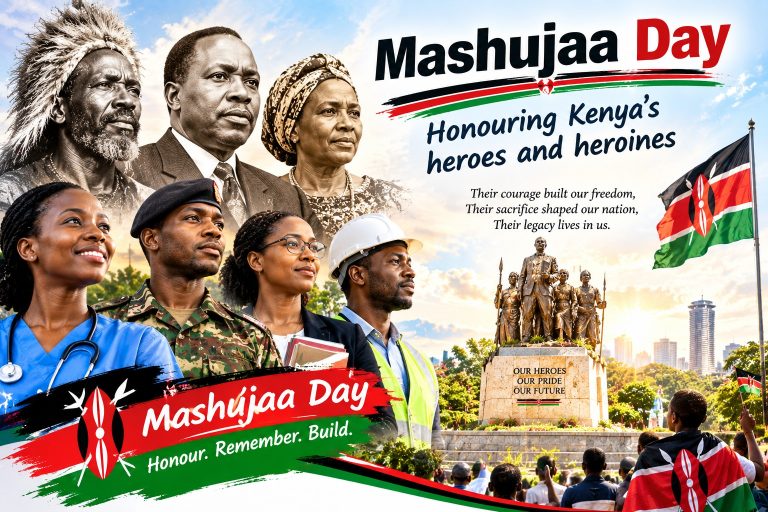
The heroes Kenya celebrates struggled for freedom, dignity, justice and opportunity. Their legacy calls for a country in which no citizen must beg for access, recognition or the rights guaranteed by law. The ultimate tribute to those heroes is not the splendour of a stadium filled with patriotic celebration, but a nation in which the farmer feels secure, the young person finds a fair opportunity, the vulnerable receive essential services and the person with a disability participates on equal terms.
“The true measure of Mashujaa Day is not how magnificently Kenya celebrates its heroes in a single day, but how faithfully it honours their sacrifice throughout the year. When inclusion becomes practice, promises become measurable results and dignity becomes the experience of every citizen, the spirit of our heroes will have found its fullest expression.”
Similar Posts by The Mt Kenya Times:
- Eldoret hosts Kenya’s 63rd Mashujaa Day in historic North Rift celebration
- No matter how long the night, the day will come
- Why university students wear crocs and pyjamas
- Reading culture: Towards an enlightened generation
- How society treats people according to status a review of a Tale of Two Cities by Charles Dickens
About the Author