The freedom fighters sacrificed everything — the question today is what their inheritors are willing to do.
By Sharon Mumo
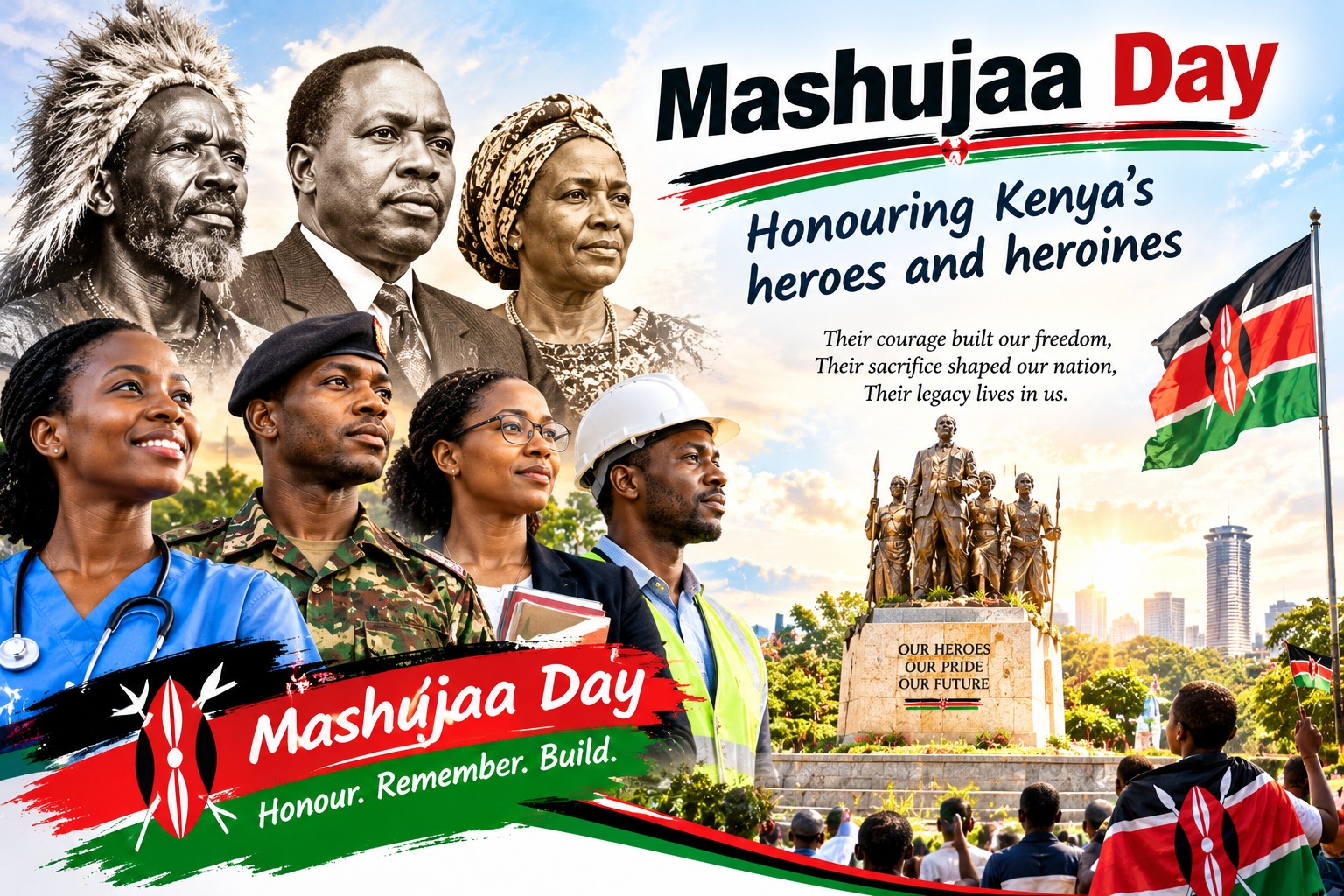
Kenya marks Mashujaa Day today, honouring the men and women whose courage, sacrifice and determination made independence possible — and challenging every living Kenyan to ask what they are doing with the freedom that was won.
The word mashujaa means heroes in Kiswahili. Before 2010, the day was known as Kenyatta Day. The new Constitution renamed it deliberately, broadening recognition beyond one man to embrace the many — Dedan Kimathi, Mekatilili wa Menza, Harry Thuku, Tom Mboya and the countless unnamed fighters who endured imprisonment, suffering and death so that Kenya could attain independence on December 12, 1963.
But Mashujaa Day was never meant to be only a backward glance. It celebrates living heroes too — the teacher in an under-resourced classroom, the nurse on a double shift, the farmer feeding a nation, the young entrepreneur refusing to wait for government to create opportunity. Heroism, as Kenya’s history makes plain, is not confined to battlefields.
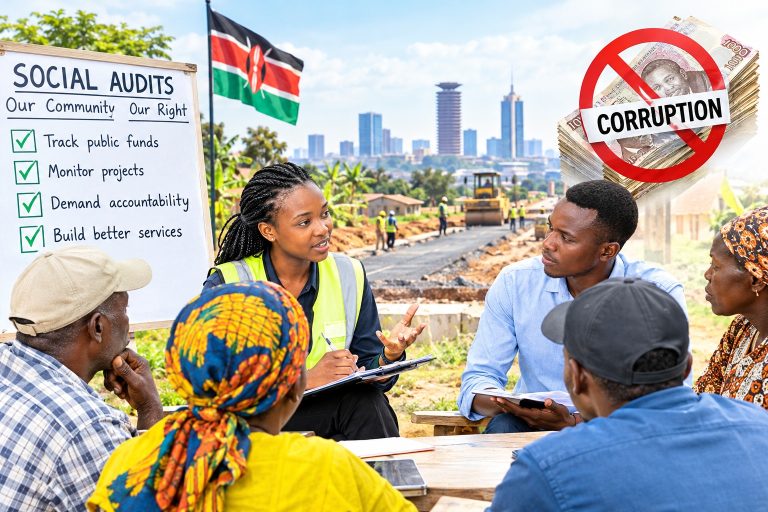
That history makes today’s failures harder to excuse. Corruption, unemployment, poverty and inequality persist not because Kenya lacks the tools to fight them, but because too many of those entrusted with the nation’s resources have chosen personal gain over public duty. The heroes of 1963 did not endure colonial prisons so that their successors could loot public coffers.
Honouring the mashujaa means more than parades and speeches. It means finishing the work they started.
Similar Posts by The Mt Kenya Times:
- Bikeke students benefit from charity support
- Former Borabu MP Momanyi faults Nyaribo’s administration over development
- Southern Bypass to close this weekend for Nairobi Marathon
- DP Chairman Ndubai Calls for Leadership Change in 2027
- KPC Plc-owned Morendat National Polytechnic scales up training of certified pipeline welders to meet growing energy sector demand
About the Author