Mexican police fire tear gas at teachers’ protest 10 days before World Cup opener
 The Mt Kenya Times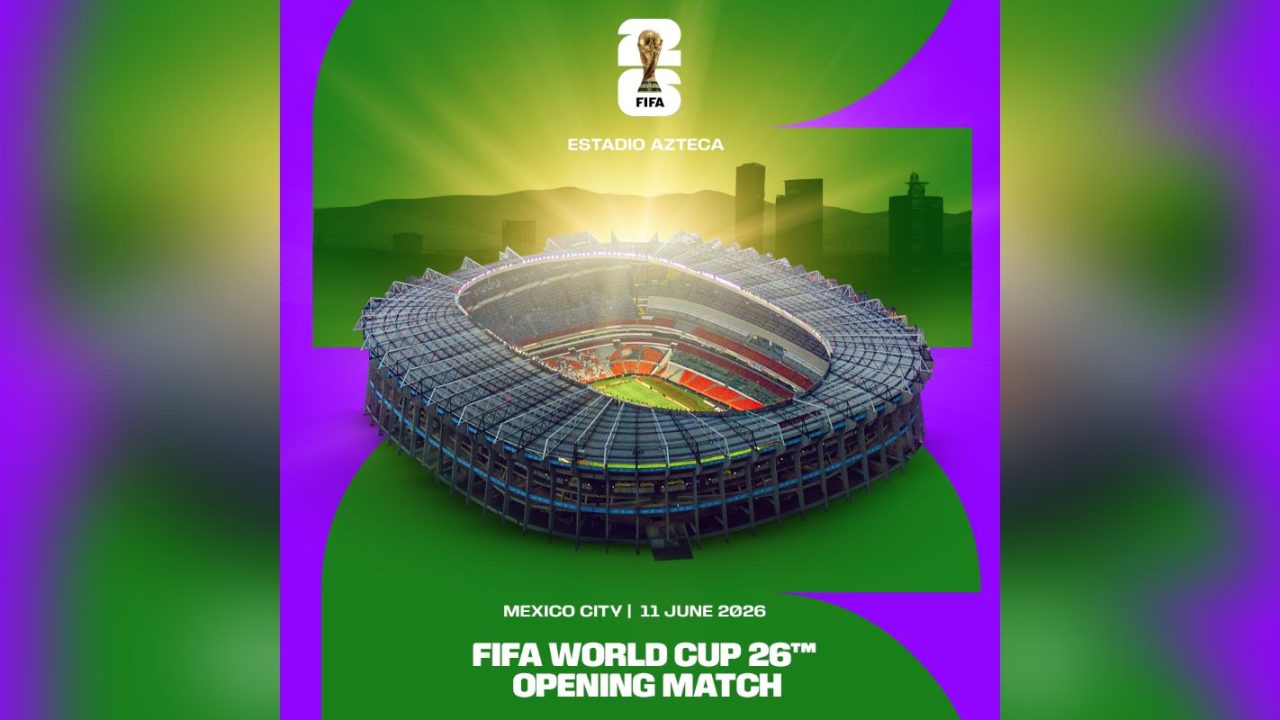
Riot officers clash with thousands of striking teachers at Mexico City’s Zócalo as the countdown to the 2026 FIFA World Cup opener enters its final stretch.
By Norman Mwale
Mexico City’s preparations for the 2026 FIFA World Cup were rocked on Monday when riot police fired tear gas to disperse thousands of teachers marching on the Zócalo, just 10 days before the capital is due to host the tournament’s opening match on 11 June. The confrontation erupted as demonstrators from the National Coordinator of Education Workers, or CNTE, breached metal barriers surrounding the historic square, where a giant screen and Fan Fest infrastructure for the World Cup are under construction.
According to AFP journalists at the scene, the clash began when teachers broke through one of the temporary barricades erected at the entrance to the Zócalo, a block from the National Palace. Hundreds of riot officers, positioned behind tall metal fences, responded with tear gas and fire extinguishers to prevent the march from reaching the plaza. “This event will have to be suspended,” union leader Filiberto Frausto told AFP as blue smoke filled the air. “A cause like ours should be far above — it’s far more important than a little bit of distraction and fun.” Frausto confirmed that at least one protester was struck by an unidentified projectile and taken away with blood pouring from a head injury. AFP witnessed another participant being carried away with a bloody head wound.
The dissident faction of the CNTE has threatened to mobilise millions of teachers in the capital during the World Cup unless the government meets demands for salary increases and the reversal of pension reforms. “We demand the fulfilment of our demands,” said Filiberto Frausto Orozco, a teacher from the northern state of Zacatecas, speaking to AFP last month. He added that union members had agreed to stage “intense protests” throughout the tournament. Pedro Hernández Morales, general secretary of CNTE section 9 in Mexico City, warned that if their demands are not met before the opening match, “the ball will not roll,” Al Jazeera English reported.
Mexico City authorities had not released an official statement on Monday’s use of force, but the capital’s Secretariat of Citizen Security has previously said that protests will be permitted provided they remain peaceful and do not impede World Cup infrastructure. The Zócalo, which will host public viewings of Mexico’s first match, has been cordoned off for weeks as crews assemble stages, screens and sponsor installations. Security forces have maintained a heavy presence around the square since 25 May, when teachers first attempted to establish a protest camp there.
The timing of the unrest has heightened international scrutiny. With five World Cup matches scheduled in Mexico City, including the opener, the capital is considered one of the safer host cities despite ongoing concerns about crime and protest activity. “There are very large networks of piracy, human trafficking, prostitution, obviously drug dealing, and some extortion, but it’s also the area of the country with the highest per capita police presence and security cameras,” Víctor Manuel Sánchez Valdés, a researcher at the Autonomous University of Coahuila, told CNN. He added that while cartels do not dominate the capital, street-level crime and demonstrations pose logistical challenges for organisers.
Teachers affiliated with the CNTE have staged rolling strikes since mid-May, coinciding with Teacher’s Day, and previously shut down parts of Mexico City by blocking key roads and the entrance to the international airport. The union says the monthly starting gross wage for public school teachers is the equivalent of US$967, and it is demanding a 100% increase — far above the nine per cent offered in government negotiations. “Education isn’t a priority, but the million-dollar business of the World Cup is,” read one banner carried during a rally on 16 May.
Monday’s scenes evoked memories of 2013, when riot police cleared thousands of striking teachers from the Zócalo with tear gas, flash grenades and water cannons three days before Independence Day celebrations. Then, as now, the teachers armed themselves with metal pipes and wooden clubs, while police warned that force would be used if the square was not vacated. Within half an hour, the plaza had been cleared.
With the tournament set to begin on 11 June, pressure is mounting on President Claudia Sheinbaum’s administration to balance security for the World Cup with the rights of demonstrators. FIFA has not commented publicly on the protests, but Mexican organisers insist the Fan Fest will proceed as planned. For the CNTE, however, the World Cup represents leverage. “We will win this struggle, whatever it costs,” protesters chanted on Monday. “It will fall, it will fall… that wall is going to fall.” As Mexico prepares to welcome an estimated five million visitors, the coming days will test whether the government can keep both the football and the dissent from a collision course.
Similar Posts by The Mt Kenya Times:
- Diaspora Times Global Oct 24 – Oct 30, 2026
- America’s baby bust: U.S. birth rate hits record low as women choose later motherhood
- Literary Outreach Incubation Program Instills The Culture From Book Adaption To Spoken Words
- Why starting school too early is failing our children
- Who defines Africa’s destiny? The western lens, African compliance and the struggle for intellectual sovereignty
About the Author