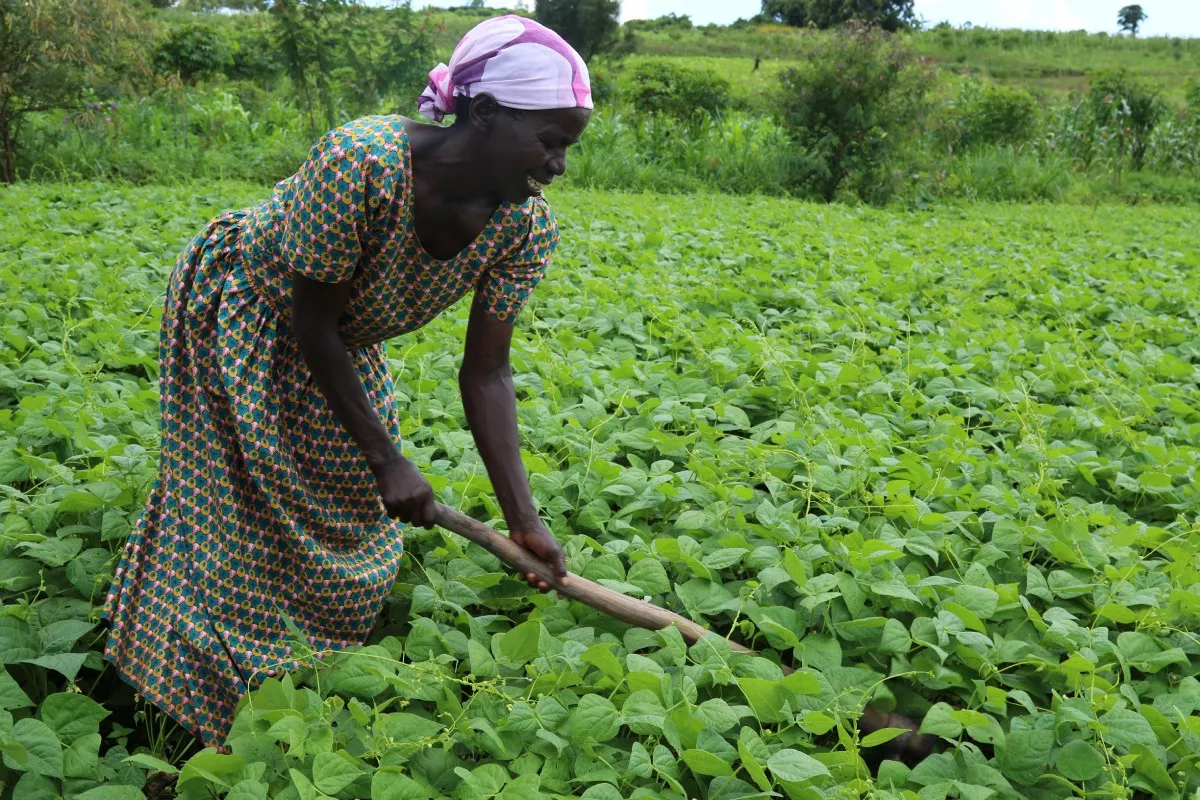
Beans farm

By MKT Correspondents
Civil society members yesterday urged Members of Parliament not to pass agriculture bills that are currently before the National Assembly, terming them punitive.
They said that the nine Agricultural Bills tabled in parliament are purporting to regulate and streamline the Agriculture sector in Kenya, yet the State agencies are meant to do the same.
Mary Kathomi from the Kilimo cha Haki lobby group said the nine bills are also unconstitutional because they take away the rights of Kenya and threaten the country’s food security and food sovereignty.
The Bills include the Agriculture and Food Authority Bill, the Livestock Bill 2024, tabled by Kikuyu Kimani Ichung’wah, and the Mung Bean Bill 2022, co-sponsored by Enoch Kiio Wambua and Paul Nzengu, and were passed in the Senate but dropped in the second reading at the National Assembly.
The Agriculture Professional Registration and Licensing Bill 2024 tabled by Kanyuithia Mutunga, the Nuts and Oil Crops Development Bill 2023 tabled by Senator Hamida Kibwana, and the Horticultural Crop Authority Bill 2024 tabled by Sabina Chege.
Others include the Land Amendment Bill, which was withdrawn by Kimani Ichung’wah, the Rice Bill 2024 tabled by James Kamau Murango, and the Water Amendment Bill 2023.
Kathomi pointed out that there are 15 State agencies under the Ministry of Agriculture that play different roles in the expansive agriculture sector.
“They work on regulation, oversight, policymaking, policy formulation, marketing, setting standards, and all aspects of food production and actually do what the bills are being purported to do, which includes other governing bodies like the County Governments,” said Kathomi.
They added that Kenyan farmers and livestock keepers produce and farm to feed their families, and just the excess of it is what is taken to the markets for sale, and therefore Parliament cannot legislate on food crops and livestock keeping.”
The Kilimo Cha Haki group pointed out that the agriculture sector, which contributes more than 80 percent of the country’s GDP should be protected and farmers encouraged to do self-regulation, giving an example of Cooperative Societies, Saccos and local organizations working together with agriculture State agencies.
“Since the lifting of the ban on GMOs in Kenya, there seems to be an intent of taking over our food sovereignty that threatens our country’s food security,” she noted.
Kilimo Cha Haki intends to mobilise Kenyans of good will and Kenyan lawyers together to go to court to stop these unconstitutional bills being sponsored in Parliament,” they said.
Similar Posts by The Mt Kenya Times:
- Kenya joins US and UK to put citizens on the terrorism frontline
- Kenya’s parliament races to tame the AI frontier
- Kalonzo calls Ruto to order over Uhuru attacks
- Gachagua takes his 2027 campaign to America
- Uhuru owns “sponsor” — and Ruto should be worried
About the Author