Koome and DCI Amin trade blame over rising political goonism ahead of 2027 polls
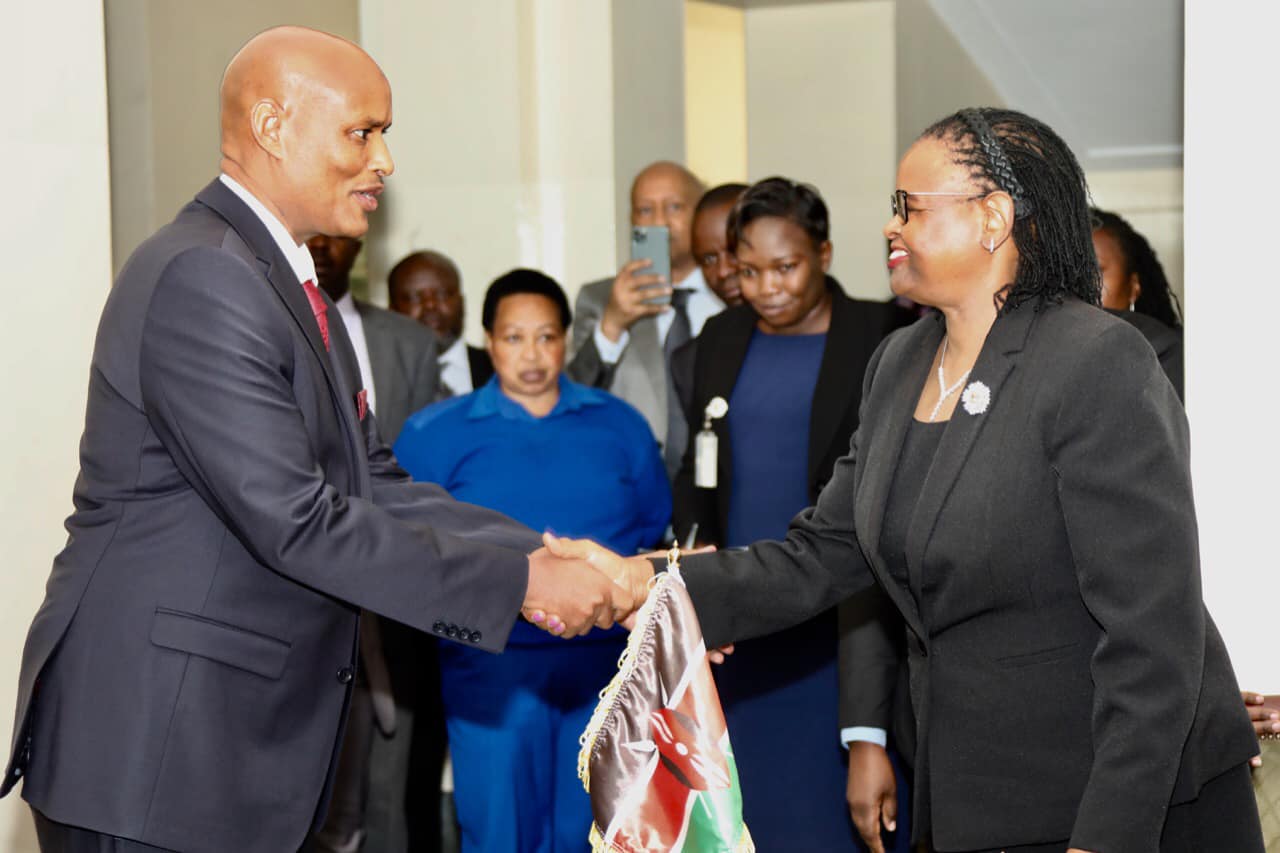
Chief Justice Martha Koome and the Director of Criminal Investigations, Mohammed Amin /FILE
The Judiciary and police clashed publicly yesterday over how to tackle organised criminal gangs, exposing deep institutional fault lines as Kenya’s election cycle heats up.
By Yvonne Wambui
Chief Justice Martha Koome and the Director of Criminal Investigations, Mohammed Amin, traded sharp disagreements yesterday over how to confront the growing threat of political goonism ahead of the 2027 General Election — with each pointing squarely at the other’s institution as part of the problem.
Speaking at a National Council on the Administration of Justice event in Nairobi, Koome challenged security agencies to look beyond arresting the young men carrying out attacks and pursue the financiers, recruiters, and organisers behind them. Rounding up foot soldiers while leaving their sponsors untouched, she argued, would never be enough.
“The goons are our children and they are being sustained by financiers,” Koome said, urging investigators to dismantle the networks funding violence rather than merely processing those caught in the act.
Amin, who represented Inspector General of Police Douglas Kanja at the meeting, turned the spotlight back on the courts. He accused the Judiciary of undermining enforcement efforts by releasing gang suspects on minimal bond terms, allowing them to return to the streets and resume criminal activity. Faster prosecution of gang-related offences, he argued, was essential — and courts needed to play their part in holding suspects accountable once arrested.
The public disagreement between two pillars of Kenya’s criminal justice system arrives at a particularly uncomfortable moment. A report presented at the same meeting revealed that identified criminal gangs across the country had risen from 89 to 109, with Western Kenya and the Rift Valley recording the sharpest increases. NCAJ Director General Moses Maranga reported a 157 per cent rise in crime figures presented during the session.
With the 2027 polls now firmly on the horizon, fears are growing that vulnerable young people will be recruited and weaponised by political actors seeking to disrupt rallies, intimidate opponents, and manipulate the electoral environment. The pattern is not new in Kenya’s election history, but the scale of gang proliferation is raising fresh alarm.
The exchange between Koome and Amin lays bare a coordination problem that goes beyond any individual institution. Effective action against political goonism requires investigators who follow the money, prosecutors who build robust cases, and courts that weigh public safety seriously in bail decisions. When those functions operate in mutual suspicion rather than common purpose, criminal networks are the ones who benefit.
As Kenya moves deeper into its election cycle, the pressure on security agencies, the Judiciary, and political leaders to demonstrate unity of purpose will only intensify. Kenyans have a constitutional right to participate freely in the electoral process, and protecting that right from criminal intimidation is not optional. The 2027 polls will test whether the country’s institutions have learned that lesson.
Similar Posts by The Mt Kenya Times:
- The importance of innovative pedagogical technologies in modern education
- From jackpot dreams to KSh100 deposits: Kenya’s mobile wealth opportunity
- Kenya’s economy in 2026: Growing faster, but under pressure
- Our culture, our heritage: A legacy worth protecting
- Liverpool suffer Istanbul heartbreak in 3-2 collapse
About the Author