Nairobi’s diplomatic circuit becomes Ole Sereni’s fastest growing business frontier
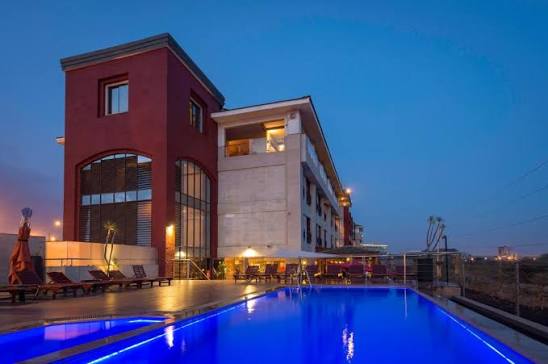
Emara Ole Sereni Hotel
The hospitality group is transforming embassy relationships into a structural revenue pillar — and fifty missions came to see why.
By MKT Reporter
Ole Sereni Group has turned Nairobi’s dense diplomatic community into one of its most strategically pursued revenue streams, hosting representatives from 50 embassies and international organisations at Emara Ole Sereni Hotel on August 7 in an evening that was equal parts hospitality showcase and calculated business development exercise.
The setting was deliberate. Emara Ole Sereni, perched at the edge of Nairobi National Park with the city’s skyline behind it and wildlife visible beyond the perimeter fence, offers a visual argument that no brochure fully captures. Guests were walked through the property — the conference infrastructure, the dining facilities, the security arrangements — and allowed to form their own conclusions. In the diplomatic hospitality business, that direct experience is often more persuasive than any sales presentation.
The numbers driving the strategy are significant. Milkah Kimani, the group’s Head of Sales, revealed that embassies and diplomatic missions already contribute approximately one third of total group revenue — a figure anchored in recurring national day celebrations, high-level receptions, catering contracts and the steady rhythm of official engagements that define life inside Nairobi’s diplomatic quarter. It is a revenue stream with a rare quality in the hospitality industry: it comes back every year, governed by the calendar rather than consumer sentiment.
Building on that foundation requires something beyond competitive pricing or superior amenities. Diplomatic clients operate within institutional frameworks where trust, discretion and verified track records carry decisive weight. Ole Sereni has spent years assembling exactly that kind of portfolio. Its existing roster of clients includes the British High Commission, the Danish Embassy, the embassies of Brazil, Mexico and South Africa, and the Ghana High Commission — institutions whose event requirements are exacting and whose loyalty, once earned, tends to be durable.
The group has also embedded itself within Nairobi’s United Nations ecosystem, a market with no real parallel elsewhere on the continent. As one of only four cities globally — alongside New York, Geneva and Vienna — to host a principal UN office, Nairobi generates a permanent current of senior international officials, multilateral delegations and high-security conferences. Ole Sereni’s existing relationships with the African Union, multiple UN agencies and the United States Embassy place it inside that current rather than on its margins.
Diplomatic staff who attended the August 7 event were consistent in describing their priorities: verified security protocols, airport proximity, professional staff, government endorsement and facilities capable of scaling from an intimate bilateral dinner to a full national day reception without losing composure. These are standards that filter out generalists and reward specialists. Ole Sereni is making a deliberate case for being the latter.
Nairobi’s premium hospitality market is competitive, and the diplomatic segment within it is fiercely contested. The group’s response is not to outspend rivals on advertising but to bring the right people into the building and let the building do the talking.
On August 7, fifty embassies walked through the door. The question now is how many will come back — with contracts.
Similar Posts by The Mt Kenya Times:
- Mt Kenya Times ePAPER October 7, 2026
- Ruto signs KSh389B electric vehicle deal at State House
- Kenya mobilises KSh70B to fight Ebola as US and World Bank step in
- High Court freezes law school admissions over disputed entry rules
- Grade 11 textbooks head to schools as CBC transition gathers pace
About the Author