National Assembly Agriculture Committee Probes Maize Flour Subsidy Programme Discrepancies

Cabinet Secretary Mithika Linturi when he appeared before the Agriculture Committee yesterday

By Our Reporter
Worth Noting:
- Documents scrutinized by the committee revealed that the Ministry paid Sh100 million for monitoring expenses, which was allocated to various entities including the Ministry of Interior, National Administration Command Centre, regional oversight teams, and the National Cereals and Produce Board (NCPB).
- “Can you clarify your role in the Maize Subsidy Programme? Did you ensure that the maize got to the consumer?” asked Gabriel Kagombe.
- On his part, Joseph Kimote, Managing Director National Cereals and Produce Board was at pains to explain NCPB’s role in the Maize Subsidy Programme.
- During the meeting, legislators found that the MD was unable to clarify its role in the maize subsidy program.
The National Assembly Committee on Agriculture and Livestock has initiated an investigation into the Maize Flour Subsidy Programme for the fiscal year 2022/23.
This follows concerns earlier raised by committee members regarding the implementation and financial aspects of the program.
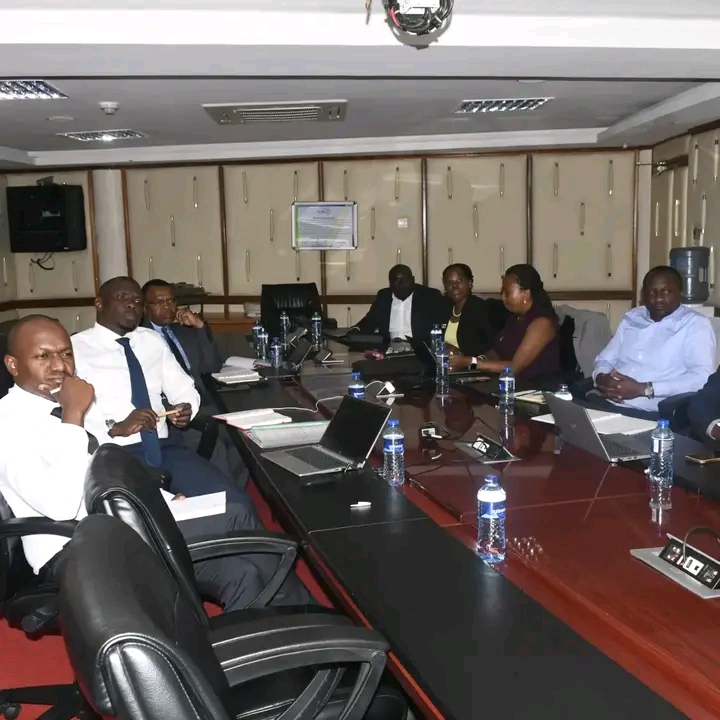
Under the chairmanship of Dr. John Mutunga who is the MP Tigani West, committee members met with Cabinet Secretary, Ministry of Agriculture and Livestock Development Mithika Linturi.
While making his submissions, the CS disclosed that a total of 118 millers were listed as participants in the subsidized maize flour distribution across the country.
“We did not see the subsided maize flour in our village retail shops? How was all this money spent and no one can confirm if the aim.if the programme was achieved?” asked David Kiplagat, MP
Documents scrutinized by the committee revealed that the Ministry paid Sh100 million for monitoring expenses, which was allocated to various entities including the Ministry of Interior, National Administration Command Centre, regional oversight teams, and the National Cereals and Produce Board (NCPB).
“Can you clarify your role in the Maize Subsidy Programme? Did you ensure that the maize got to the consumer?” asked Gabriel Kagombe.
On his part, Joseph Kimote, Managing Director National Cereals and Produce Board was at pains to explain NCPB’s role in the Maize Subsidy Programme.
During the meeting, legislators found that the MD was unable to clarify its role in the maize subsidy program.
Specifically, the MD could not confirm whether the subsidized maize reached the intended end users. He was unable to provide evidence for the payment received by the Board, adding further confusion to the situation.
The committee also met with representatives from the Cereal Millers’ Association (CMA) to gain insights into the matter. During the meeting, it was discovered that the number of millers involved in the program differed between the Ministry and CMA.
The stark disparity of figures between the two parties adds confusion to an already convoluted situation and necessitates a thorough investigation.
The CMA stated that a total of 129 millers had signed contracts with the government for the Maize Subsidy Programme. According to the CMA, the Ministry owes its members a balance of Sh2.570 Billion based on subsidy costs and payments made for the fiscal year 2022/23.
Committee members expressed dissatisfaction with the responses provided by both the Ministry and the CMA.
“How is it possible that the number of millers involved remains in dispute and what explanation can be given for the conflicting figures regarding payments made to the millers?,” added Jared Okello, MP Nyando
Lawmakers raised several key issues that require further clarification. Firstly, there is a discrepancy in the number of millers participating in the subsidy program, with the Ministry reporting 118 millers and the CMA stating 129 millers. The Committee aims to determine the accurate figure to take appropriate action.
Additionally, concerns have been raised about accountability and transparency in the payment transactions. Some millers were paid without proper invoices, and the Committee seeks clarification on the absence of IFMIS numbers in these payments, as the use of IFMIS enhances accountability.
Moreover, inconsistencies have been found in the quantities of sifted maize flour supplied under the program.
The Ministry reported 121,714,844 kgs, while the CMA submitted 126,337,752 kgs. Furthermore, there is a discrepancy in the total amount paid to millers, with the Ministry stating Sh3.366B and the millers (CMA and GMOA) claiming Sh2.747B.
As the investigation into the Maize Flour Subsidy Programme continues, the Departmental Committee on Agriculture and Livestock seeks to address the discrepancies and unanswered questions raised by the responses from the Ministry of Agriculture and Livestock Development and the Cereal Millers’ Association
Similar Posts by The Mt Kenya Times:
- Mt Kenya Times ePAPER September 7, 2026
- Lesuuda crosses the floor — and takes Samburu with her
- The Rift Valley is not Ruto’s anymore — and DCP is making sure everyone knows it
- Kalonzo and Muturi march into Gachagua country
- Faith and politics travel together for Gachagua in Washington State
About the Author