Navigating The Challenges Of Devolved Healthcare In Kenya: A Media Perspective
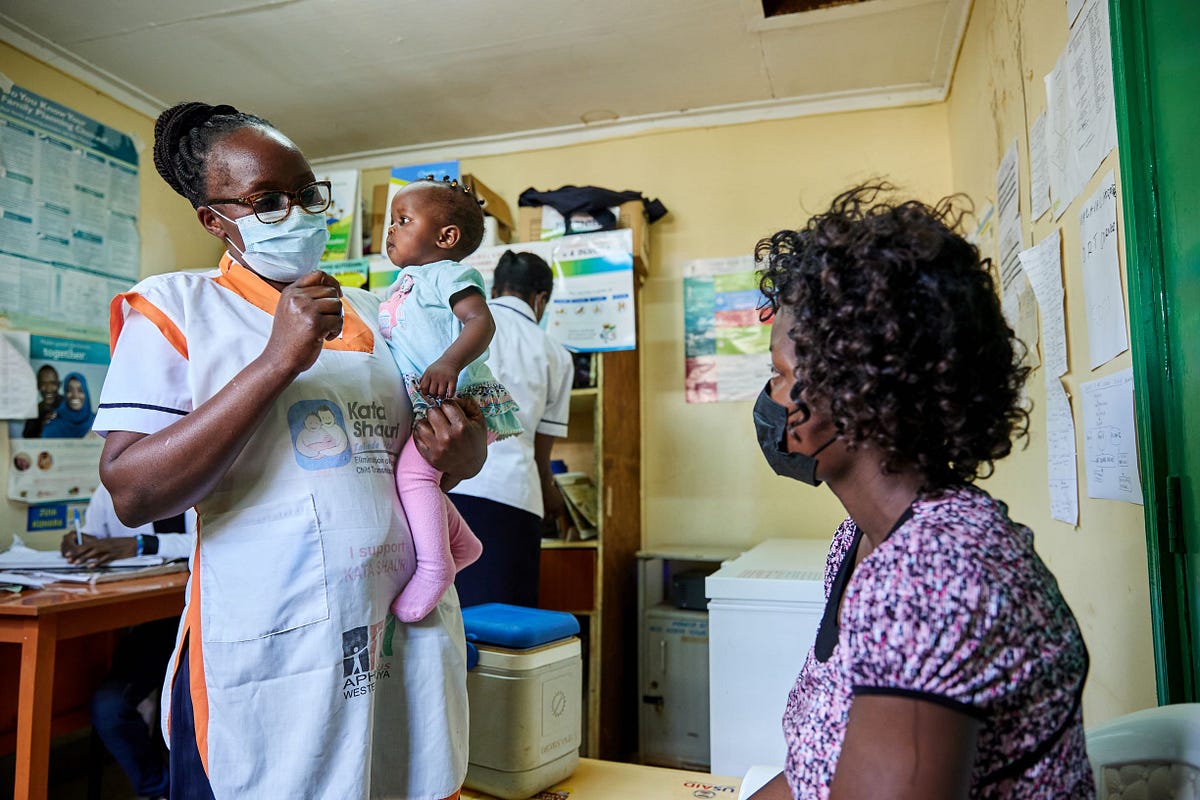
Challenges Of Devolved Healthcare In Kenya

By: James Kilonzo Bwire
Worth Noting:
- Reports indicate that many counties struggle with inadequate funding, poor infrastructure, and a lack of trained personnel. For example, hospitals like Thika Level Five are often underfunded, leading to delays in salary payments for healthcare workers and ultimately affecting service delivery.
- Such systemic issues raise questions about the efficacy of devolved governance in improving health outcomes. The situation is exacerbated by a lack of standardized protocols across counties, resulting in unequal service delivery and disparities in health outcomes.
- The media has played a crucial role in exposing the myriad challenges facing devolved healthcare in Kenya. One significant issue is the persistent problem of funding.
The devolution of healthcare services in Kenya, initiated by the 2010 Constitution, aimed to enhance service delivery by transferring responsibilities from the national government to county governments. This shift was intended to promote local governance, increase efficiency, and ensure that healthcare services are tailored to meet the specific needs of communities. However, as media scrutiny intensifies, it becomes evident that the reality of devolved healthcare is fraught with challenges that undermine its objectives.
Devolution was heralded as a transformative approach to governance, particularly in the healthcare sector. It promised greater accountability, improved access to services, and enhanced citizen participation in decision-making processes. The rationale was simple: local governments would be better positioned to understand and address the unique health challenges facing their communities. For instance, counties could allocate resources more effectively based on local health needs and priorities. However, the media has increasingly highlighted discrepancies between these promises and actual outcomes.
Reports indicate that many counties struggle with inadequate funding, poor infrastructure, and a lack of trained personnel. For example, hospitals like Thika Level Five are often underfunded, leading to delays in salary payments for healthcare workers and ultimately affecting service delivery. Such systemic issues raise questions about the efficacy of devolved governance in improving health outcomes. The situation is exacerbated by a lack of standardized protocols across counties, resulting in unequal service delivery and disparities in health outcomes.
The media has played a crucial role in exposing the myriad challenges facing devolved healthcare in Kenya. One significant issue is the persistent problem of funding. Many county governments lack the financial resources necessary to implement effective health programs. Reports suggest that funds allocated for healthcare are often mismanaged or diverted to other projects, leaving hospitals and clinics without essential supplies and services. For instance, investigations have revealed cases where budgetary allocations for medical supplies have been siphoned off or misappropriated, leading to critical shortages in essential medicines.
Moreover, there is growing concern over human resource management within the devolved system. Many healthcare professionals cite job insecurity and poor working conditions as reasons for leaving public service for private or non-profit sectors. This exodus exacerbates the existing shortage of skilled personnel in public hospitals, further hampering service delivery. The situation is compounded by a critical brain drain; studies have shown that a significant percentage of medical graduates seek opportunities abroad shortly after completing their training. This trend poses a serious challenge to building a robust healthcare workforce capable of addressing the country’s health needs.
Additionally, issues related to governance and accountability within county health departments have come under scrutiny. Instances of corruption and mismanagement have been reported, undermining public trust in local governments’ ability to manage healthcare effectively. The lack of a robust framework for monitoring and evaluating health service delivery has allowed these issues to persist without adequate oversight. Reports indicate that some counties have failed to establish effective audit systems or performance metrics necessary for ensuring accountability.
As a watchdog of democracy, the media plays an essential role in shaping public perception regarding devolved healthcare. Investigative journalism has brought critical issues to light, prompting public discourse on the effectiveness of devolved governance. Through reporting on both successes and failures within the healthcare system, media outlets have contributed to a more informed citizenry that can hold local leaders accountable. High-profile investigations into corruption scandals or mismanagement have led to public outcry and calls for reform.
However, it is vital for media coverage to strike a balance between highlighting failures and acknowledging successes. While it is essential to report on challenges such as underfunding and mismanagement, it is equally important to recognize counties that have made strides in improving healthcare access and quality through innovative practices and community engagement. For instance, some counties have successfully implemented community health strategies that empower local populations to participate actively in their health care decisions.
The devolution of healthcare in Kenya presents both opportunities and challenges. While it has the potential to enhance service delivery by bringing governance closer to the people, systemic issues must be addressed to realize its full benefits. The media’s role in scrutinizing these developments is invaluable; it not only informs the public but also pressures policymakers to implement necessary reforms.
To improve devolved healthcare effectively, there must be a concerted effort from both the government and civil society. This includes ensuring transparent allocation of resources, strengthening human resource management policies, and fostering community participation in health decision-making processes. Additionally, establishing effective monitoring systems can help mitigate corruption and ensure accountability at all levels.
Furthermore, enhancing intergovernmental relations between national and county governments is crucial for streamlining healthcare delivery systems. Clear communication channels must be established to facilitate coordination on health policy implementation and resource allocation.
Only through comprehensive reform can Kenya’s devolved healthcare system fulfill its promise of equitable access to quality health services for all citizens. As stakeholders continue to navigate these challenges, it is imperative that they remain committed to fostering an environment where healthcare can thrive under devolution—one that prioritizes the health needs of every Kenyan while holding leaders accountable for their roles in this vital sector.
In conclusion, while devolution presents an opportunity for localized governance in healthcare delivery, it also requires ongoing commitment from all parties involved—government officials at both national and county levels, healthcare professionals, civil society organizations, and citizens themselves—to ensure that it achieves its intended goals of improved health outcomes for all Kenyans.
James Kilonzo Bwire is a Media and Communication Practitioner.
Similar Posts by The Mt Kenya Times:
- Beyond the rubble: Nairobi’s building collapses are a failure of systemic oversight
- Political alliances intensify ahead of Kenya’s 2027 elections
- The pressure to make it before thirty
- A rich man without generosity is just a poor man with money
- The two-minute switch: How electric boda bodas are reshaping Kenya’s streets
About the Author