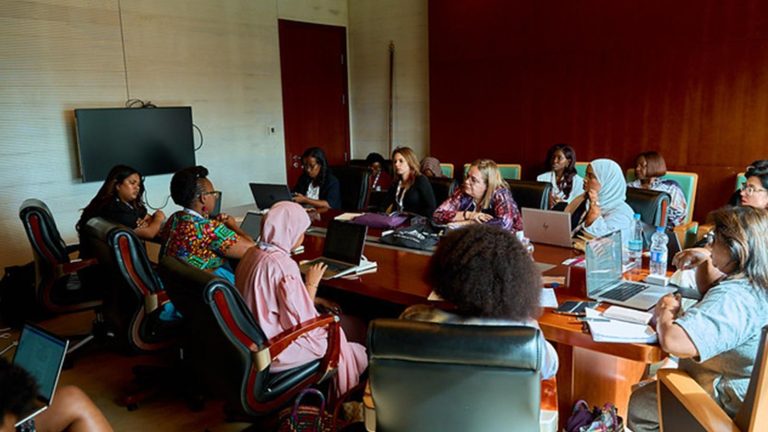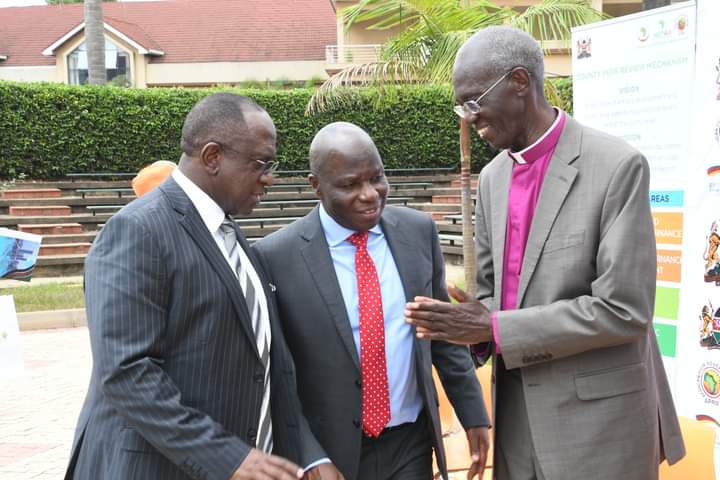

County governments in Kenya have agreed to adopt a peer review model similar to that at the continental level, allowing them to hold each other accountable for governance and development matters. This follows the launch of the National Governance Report (NGR) and the formation of a nine-member Panel of Eminent Persons to oversee governors’ peer reviews. The panel will be implemented in all 47 counties using the Kenya National Bureau of Statistics’ recommended focus group discussions and key informant interview tools. The process will be subject to validation engagement between panel members and county leadership and submitted to the CPRM Summit for a peer review conversation. The Kenyan government is encouraging African states to consider implementing the initiative in their jurisdictions to track development progress.
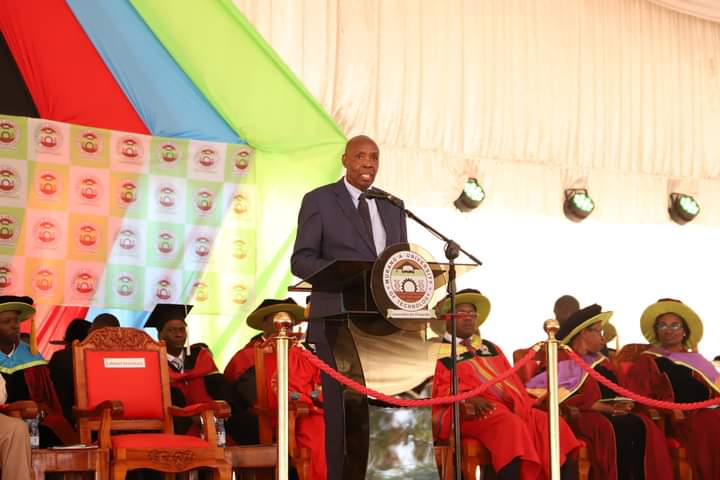
Education Cabinet Secretary Ezekiel Machogu has urged graduates to take advantage of available scholarships and opportunities to further their education. He called upon universities to prioritise research and forge partnerships with research institutions to benefit the community. He urged universities to offer quality education by engaging in market research and involving stakeholders to produce practical and market-relevant programs. Machogu also addressed concerns about the new university funding model, stating that it is student-centred and will allocate funds based on need without undue financial burden. He also urged universities to explore alternative funding options, as the country faces a financial shortage of up to Sh 61 billion.
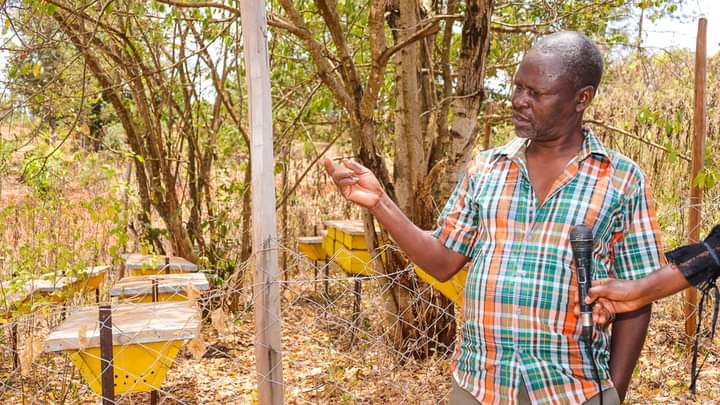
Kirinyaga County’s Wezesha Kirinyaga economic empowerment programme has helped local farmers diversify their agricultural activities and increase their incomes. The programme was initiated to meet the deficit in getting honey demand in the county and the country. Governor Waiguru highlighted the benefits of beekeeping, including low land and capital requirements and pollination contributions. This year, the county will support 26 more groups by providing bee hives and honey harvesting kits. The Kanjikomu Self-Help Group and Utheri Wa Ngondo Community-Based Organisation have already benefited from the county government’s support. Currently, Kirinyaga County has 13,000 bee hives, producing 359 metric tonnes of honey annually.
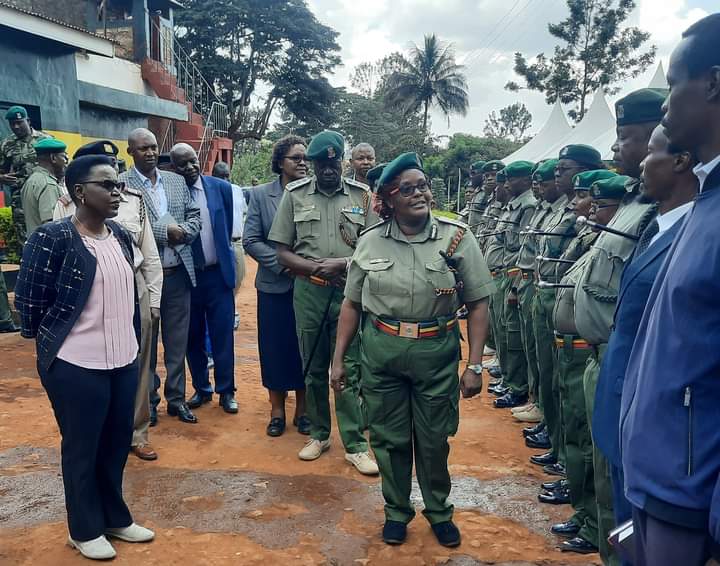
The Prison department is working with other stakeholders to enhance inmate formal education. They are increasing classrooms and training teachers, with 57 teachers trained last year on Competency-Based Curriculum (CBC). The department is also establishing science laboratories, computer labs, and furniture to provide quality education and employment opportunities. They are exploring expanding and equipping prison workshops to boost vocational training among inmates. Beacco urges society to support correctional work by buying items and equipment manufactured by inmates, as it will support correctional operations and reduce government burden.
Similar Posts by The Mt Kenya Times:
- Mt Kenya Times ePAPER October 1, 2026
- Museveni backs Lamu but keeps Uganda’s money at home
- Sifuna’s party wins its name — and Kenya’s opposition race begins in earnest
- Lamu’s $16B gamble: Africa’s biggest refinery divides the region
- Ruto launches KSh2.2 trillion Lamu refinery in East Africa’s biggest energy bet
About the Author