Opposition calls on ICC to monitor Kenya as political violence escalates

A coalition of opposition leaders
A coalition of opposition leaders has urged the international court’s prosecutor to assess whether attacks on political figures and civilians meet the threshold for investigation under the Rome Statute
By David Kimani
A broad coalition of Kenyan opposition leaders yesterday called on the Office of the Prosecutor of the International Criminal Court to closely monitor political developments in the country and conduct a preliminary assessment of whether the escalating pattern of violence meets the threshold for examination under the Rome Statute — a dramatic escalation in the opposition’s rhetoric ahead of the 2027 General Election.

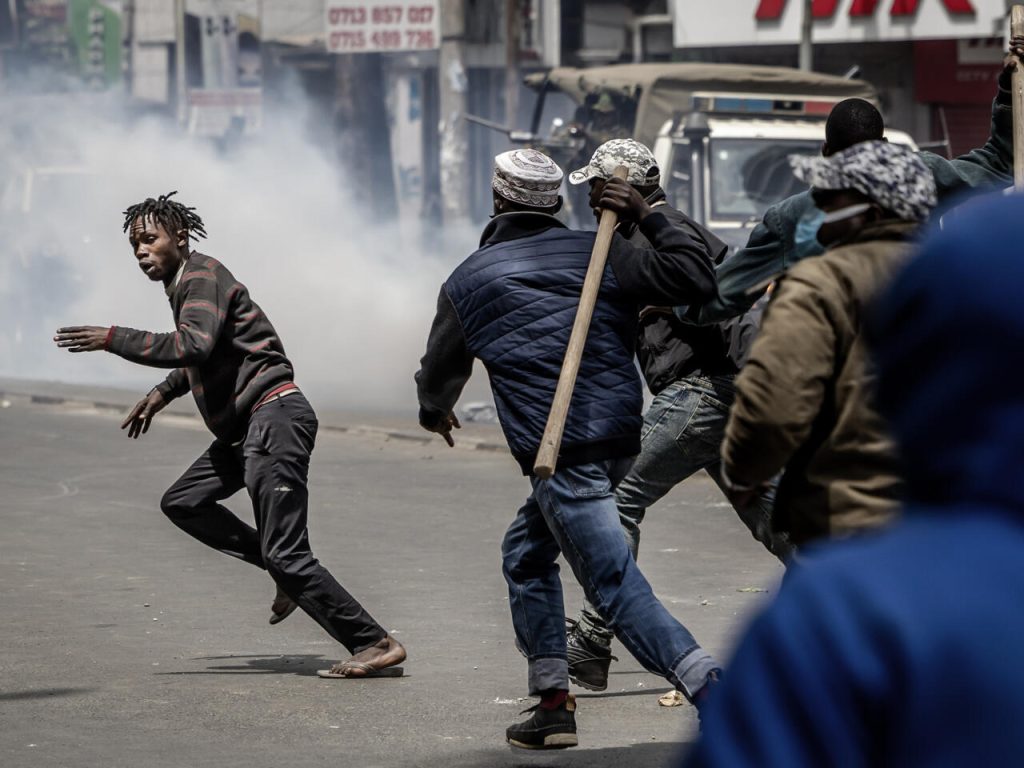
The joint statement, signed in Nairobi and attributed to leaders spanning multiple parties and movements, warned that recent attacks on political figures, journalists and civilians can no longer be dismissed as isolated incidents between rival supporters. Taken together, the signatories argued, they reveal a coordinated and disturbing pattern that raises fundamental questions about the neutrality of Kenya’s security institutions and the country’s preparedness for a free and credible election.
The statement cited three incidents in particular. The first involved former Deputy President Rigathi Gachagua in Rongai Constituency, Nakuru County. The second was an attack on Jubilee Party leader Fred Matiang’i at Mulot in Bomet County. The third involved violence targeting Linda Mwananchi movement activities in Homa Bay and Keumbu in Kisii County. Of particular concern to the signatories were accounts suggesting that some of the attacks occurred in the presence or within the operational reach of police officers — a claim that, if substantiated, would point to either institutional failure or deliberate complicity.
“The Government must explain how organised groups of armed civilians can repeatedly mobilise, move openly, attack political leaders, journalists, citizens and even police officers, and apparently operate with such confidence,” the statement read.
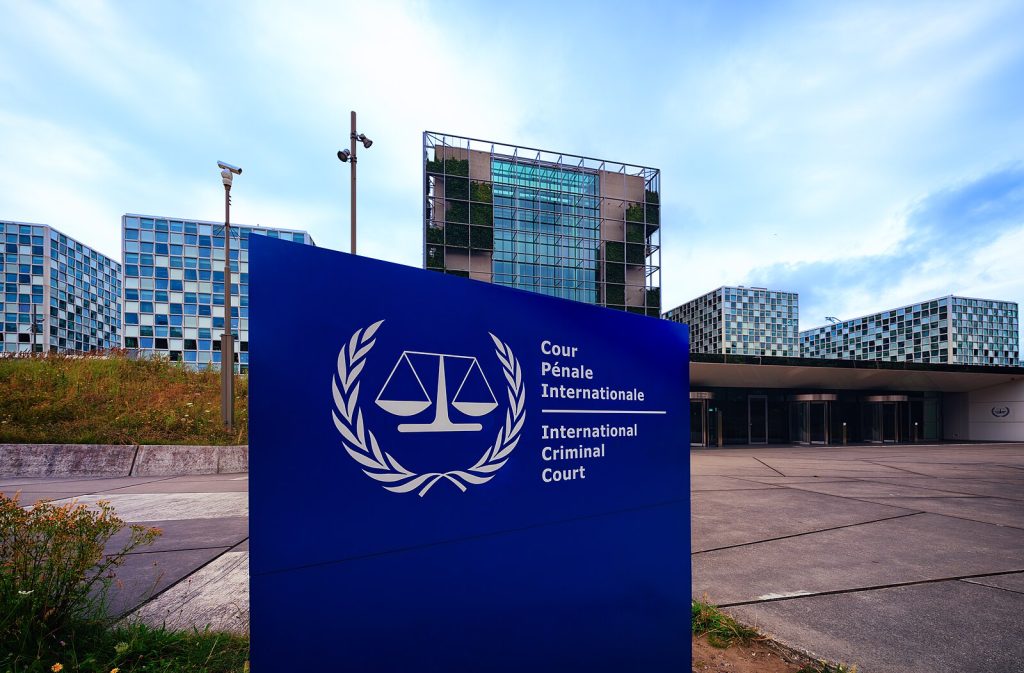
The call for ICC involvement is significant and politically charged. President William Ruto was himself a former ICC indictee before charges against him were withdrawn in 2014 following the collapse of the prosecution’s case. The opposition statement explicitly named Ruto as the person they believe bears the greatest responsibility for the violence and called on the ICC Prosecutor to review and determine the status of previous charges against him. The signatories were careful to note that the call was not intended to prejudge individual criminal responsibility but to invoke accountability as a deterrent — arguing that political office confers no immunity where the legal thresholds of the Rome Statute are met.
Under Article 15 of the Rome Statute, the ICC Prosecutor has the authority to initiate an investigation on the basis of information received, including from states, organisations and individuals. A preliminary examination does not constitute a formal investigation but allows the court to assess whether a situation meets the criteria of gravity, complementarity and jurisdiction. Kenya ratified the Rome Statute in 2005 and remains subject to the court’s jurisdiction.
The opposition coalition also directed calls at domestic institutions. It urged the Independent Electoral and Boundaries Commission to work closely with all relevant bodies to ensure that every Kenyan can vote freely, peacefully and without fear. It called on religious leaders, civil society organisations, the legal fraternity, professional bodies, the media, youth organisations and the international diplomatic community to stand united in defence of the Constitution and to resist any normalisation of militia activity or politically sponsored intimidation.
The statement’s language was notably unsparing. It declared that no Kenyan should lose their life, liberty or livelihood because of politics; that no journalist should fear death for carrying a camera; that no police officer should be forced to choose between the Constitution and political interests; and that no citizen should be denied the right to campaign, assemble or vote because armed groups have been mobilised against them.
Beyond the immediate calls for accountability, the coalition announced a concrete organisational initiative. It invited Kenyans of goodwill to participate in a People’s Forum for Electoral Preparedness, to be coordinated by former Chief Justice David Maraga, former Attorney General Justin Muturi and Azimio Coalition Secretary General Caroli Omondi. The forum is scheduled for October 9, 2026 — a date that carries its own symbolic resonance as Kenya’s national holiday marking the detention of independence leader Jomo Kenyatta in 1952.
The signatories represent a wide cross-section of the opposition. Kalonzo Musyoka, the Wiper Democratic Movement leader and veteran of three presidential contests, anchored the declaration. Martha Karua, the senior counsel and former presidential running mate, added her name, as did Matiang’i, now leading the Jubilee Party. Muturi signed on behalf of the Democratic Party. Eugene Wamalwa represented DAP-Kenya, Maraga the United Green Movement, James Orengo — the Siaya Governor — the Linda Mwananchi Movement, Omondi the Azimio Coalition, and James Kilonzo the Umoja Na Maendeleo Party.
The breadth of the coalition is itself a political statement. It brings together figures from different ideological traditions, ethnic constituencies and institutional backgrounds — a deliberate attempt to signal that concern about political violence is not the preserve of any single faction but a cross-cutting alarm raised by leaders who have not always agreed with one another.
Whether the ICC Prosecutor will act on the call remains to be seen. The court has consistently emphasised that it acts as a court of last resort and that its intervention depends on whether national institutions are genuinely unwilling or unable to investigate and prosecute. The Kenyan government had not formally responded to yesterday’s statement at the time of going to press.
What is clear is that the political temperature in Kenya is rising sharply with sixteen months to go before the General Election. The opposition has now placed its concerns on the international record, in terms that are difficult to ignore and that carry the weight of names with significant institutional credibility.
The 2027 election, the statement concluded, must be a contest of ideas, not intimidation — ballots, not bullets. Whether that aspiration can be protected will depend on choices made by institutions, leaders and citizens in the months ahead.
Similar Posts by The Mt Kenya Times:
- Mt Kenya Times ePAPER October 6, 2026
- Maraga takes anti-graft pledge to diaspora as US lobby group backs his 2027 bid
- Kenya’s gender election crisis: Will 2027 finally break the deadlock?
- Ruto pledges 50,000 teacher promotions and new career framework within two weeks
- Maharagwe number tatu: Decoding Chuka University’s campus food language
About the Author