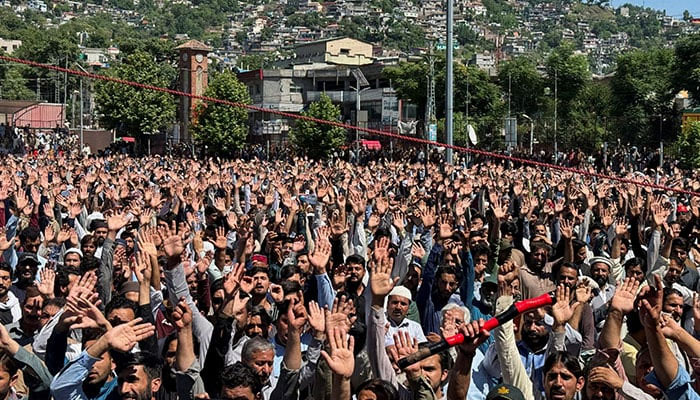
Peaceful Protests Serves Justice To The Environment, Preventing More Natural Calamities
 The Mt Kenya Times
Gen Z Reject finance bill 2024 protests
By: Tonny O. Blair
Worth Noting:
- The environmental impact of tire burning extends beyond air pollution. The ash and residues left behind can leach into the soil and water sources, contaminating them with heavy metals such as lead, cadmium, and zinc. These contaminants can disrupt local ecosystems, harm wildlife, and enter the food chain, ultimately affecting human health. In agricultural regions like kitale etc, soil contamination can reduce crop yields and affect food security, disproportionately impacting poorer communities that rely on especially, local farming.
- The destruction of property, including houses, businesses, and public infrastructure, during protests also has significant environmental repercussions. Rebuilding efforts require substantial resources and massive debts including raw materials like timber, concrete, and metals, contributing to deforestation, mining, and other environmentally harmful activities.
In recent days, protests around Kenyan vicinity have become a common avenue for citizens especially Generation Z to voice their discontent with governmental policies, social inequalities, and other pressing issues. While these protests are often driven by a desire for justice and change, some of the methods employed, such as burning tires, destroying property, and the police’s use of tear gas have unintended consequences. These actions contribute significantly to environmental degradation and perpetuate social injustices, creating a cycle of harm that affects both the planet and the most vulnerable populations.
One of the most visible and immediate impacts of protests involving the burning of tires is the severe air pollution it generates. Tires are composed of a mix of natural and synthetic rubber, along with various chemicals and metals. When burned, they release a cocktail of toxic substances, including sulfur dioxide, carbon monoxide, polycyclic aromatic hydrocarbons, and volatile organic compounds. These pollutants can cause respiratory problems, cardiovascular diseases, and other serious health issues in both protestors and innocent Bystanders.
The black smoke from burning tires contains fine particulate matter, which can penetrate deep into the lungs and enter the bloodstream. This not only affects human health but also contributes to atmospheric pollution, exacerbating issues like smog and acid rain. With the ongoing violent protest, Kenya is likely to suffer the cumulative effect of tire burning that may significantly degrade air quality, posing long-term health risks to the her entire citizens.
The environmental impact of tire burning extends beyond air pollution. The ash and residues left behind can leach into the soil and water sources, contaminating them with heavy metals such as lead, cadmium, and zinc. These contaminants can disrupt local ecosystems, harm wildlife, and enter the food chain, ultimately affecting human health. In agricultural regions like kitale etc, soil contamination can reduce crop yields and affect food security, disproportionately impacting poorer communities that rely on especially, local farming.
The destruction of property, including houses, businesses, and public infrastructure, during protests also has significant environmental repercussions. Rebuilding efforts require substantial resources and massive debts including raw materials like timber, concrete, and metals, contributing to deforestation, mining, and other environmentally harmful activities. Additionally, the waste generated from the demolition of structures adds to the burden on landfills and waste management systems, which are often already strained in many parts of the country.
The environmental degradation caused by protest activities like tire burning and property destruction often exacerbates existing social injustices. Vulnerable populations, including low-income communities and marginalized groups, are disproportionately affected by the health impacts of pollution. These communities typically have less access to healthcare and are more likely to live in areas with poor air quality and inadequate waste management systems. As a result, they bear the brunt of the health consequences, further entrenching social and economic inequalities.
The destruction of homes and businesses during protests has led to displacement and loss of livelihoods for many individuals eg Nairobi, Migori just to mention a few. Displaced persons may find themselves living in temporary shelters with inadequate facilities, increasing their vulnerability to health issues and social marginalization. The loss of businesses can devastate local economies, particularly in areas where small enterprises are the primary source of income, since Kenya is still a developing country. This economic disruption can lead to increased poverty as observed in some parts of the nation and social instability, creating a cycle of disenfranchisement and protests.
The use of tear gas by police on the other hand during protests adds another layer of environmental and social harm. Tear gas is composed of chemical compounds that cause severe irritation to the eyes, skin, and respiratory system. While its effects are intended to be temporary, repeated exposure can lead to long-term health problems, particularly for individuals with pre-existing conditions such as asthma or other respiratory related complications.
Tear gas can persist in the environment, contaminating soil and water sources. The chemicals can harm local wildlife and disrupt ecosystems. In urban areas which are highly populated, the use of tear gas can exacerbate air pollution, compounding the effects of tire burning and other protest-related activities. The environmental persistence of tear gas means that its impacts are felt long after the protests have ended, affecting both the natural environment and human populations like it has been frequently observed in our nation.
To mitigate the environmental and social harms associated with protests, there needs to be a concerted effort to promote non-violent methods of demonstration. Peaceful protests, such as marches, sit-ins, and the use of art and social media, can effectively communicate dissent without causing environmental damage or exacerbating social inequalities. Non-violent protests furthermore, also reduce the likelihood of a violent response from law enforcement, decreasing the overall harm to the citizens.
Additionally, there must be greater accountability for law enforcement agencies in their use of crowd control measures. Policies should prioritize de-escalation and the protection of human rights, limiting the use of tear gas and other harmful tactics. Independent oversight bodies should help ensure that law enforcement practices adhere to international standards and do not disproportionately affect vulnerable populations.
In areas affected by protest-related environmental damage, there should be efforts to clean up and remediate polluted sites. This can involve community-led initiatives to remove debris, restore contaminated soils, and rehabilitate damaged ecosystems, this also promotes the act of responsibility amongst her citizens. Governments and organizations can support these efforts by providing resources and technical expertise, helping to restore affected areas and prevent long-term harm that my be related to environmental degradation.
Finally, protests are a vital part of democratic societies, allowing citizens to express their grievances and demand change, as Generation Z has always expressed. However, when protests involve environmentally damaging activities like tire burning and property destruction, and when law enforcement responds with tear gas, the consequences can be far-reaching and harmful to the ecosystem. By adopting non-violent protest methods, ensuring law enforcement accountability, and addressing the environmental damage caused by demonstrations, society can move towards a more sustainable and just approach to civic engagement. This shift is essential for protecting both the planet and the rights of all individuals, particularly the most vulnerable among us. Remember, prevention is better than cure, we all have a role to play in ensuring that we conserve the environment sustainably.
Tonny O. Blair – Environmental Advocate & SDGs Fellow.
Similar Posts by The Mt Kenya Times:
- Mt Kenya Times ePAPER September 21, 2026
- Gachagua accuses Ruto of using UNGA trip to seal niobium deal in Kwale
- Ichung’wah turns Uhuru’s ‘sponyo’ joke into a policy attack
- Kuria’s rebuke of Kindiki on brews reopens the wound Gachagua left behind
- Nyoro storms Engineer as Njabini chaos signals the mountain is already at war with itself
About the Author