Peter Mwathi: A proven leader with a record of service in Limuru
 The Mt Kenya Times
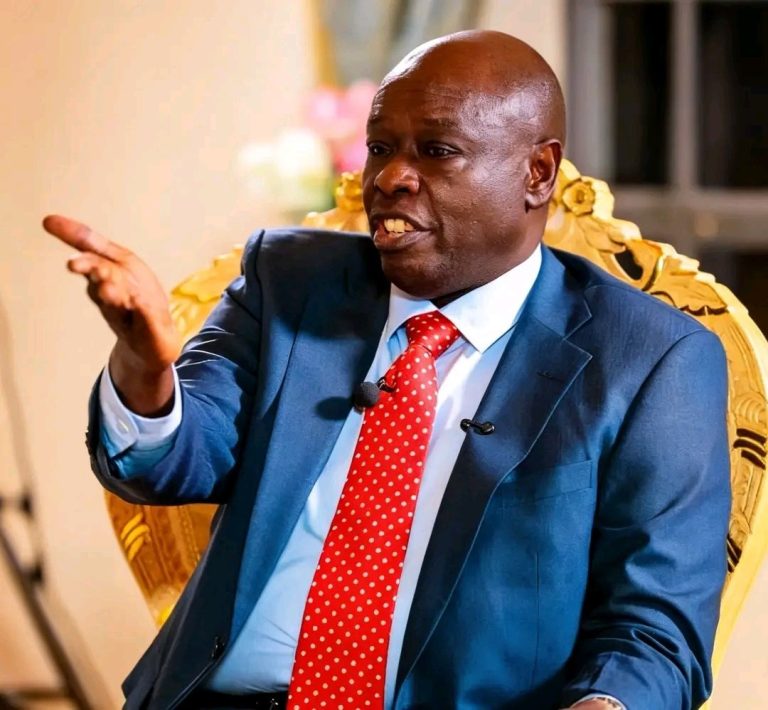
Peter Mwathi
As 2027 approaches, the former MP’s parliamentary record and national party role place him firmly at the centre of the Limuru leadership conversation.
By John Kariuki
In the politics of Limuru Constituency, few names carry as much weight as Peter Mwathi. A former Member of Parliament with two parliamentary terms behind him and a national party role to his name, Mwathi is emerging as one of the more substantial figures in conversations about who should represent Limuru as Kenya heads towards the 2027 General Election.
Today, he holds the position of Deputy National Chairperson in charge of Strategy at the Democracy for the Citizens Party (DCP), placing him squarely within the party’s senior leadership. It is a role that draws together everything he has accumulated over a long public career — parliamentary experience, governance, public administration and political strategy — and gives his profile a clear national dimension that few constituency-level politicians can match.
Mwathi represented Limuru in the National Assembly during the 10th Parliament and returned to the seat in 2017, serving through the 12th Parliament. Parliamentary records also show he served as a Parliamentary Service Commissioner between 2008 and 2013, a role that gave him hands-on experience in the administration and institutional management of Parliament itself. He later chaired the Departmental Committee on Administration and National Security, deepening his exposure to national governance and parliamentary oversight in ways that extended well beyond the boundaries of Limuru.
Before any of that, however, Mwathi was an architect. He worked in the Ministry of Roads and Public Works before entering elective politics, and that professional grounding in planning, infrastructure and development has never really left him. It is the kind of technical background that brings a practical lens to governance — one that proved relevant when education, infrastructure, water, electricity and community empowerment featured prominently in Limuru’s development agenda during his time in Parliament.
For residents, that is ultimately what leadership comes down to: what happens on the ground. Better roads mean farmers can get their produce to market. Improved school infrastructure and bursary support keep children in learning institutions. Reliable water and electricity underpin household welfare and local economic activity. These are not abstract priorities — they are daily realities for the people of Limuru, and they continue to shape the questions residents are asking ahead of 2027.
Limuru itself is a constituency with considerable economic diversity. Agriculture, small businesses, residential development and expanding urban centres all feature in its makeup, creating a community that needs representation capable of navigating both local development priorities and the wider national policy environment. Mwathi’s parliamentary and professional background, taken together, gives him experience across precisely those spheres.
His current role as DCP Deputy National Chairperson in charge of Strategy adds another layer. Strategy is central to how any political party develops its structures, articulates its policy priorities and coordinates its engagement with citizens. At the Democracy for the Citizens Party, Mwathi brings to that responsibility years of experience built through parliamentary representation and public service — and the kind of institutional familiarity with national governance that only comes from having sat on the committees and commissions where real decisions are made.
As Kenya moves towards another election cycle, the conversation about leadership will turn, as it always does, on experience, development, representation, accountability and the ability to carry local priorities into national debates. For Limuru residents, the record of those who have previously represented them will be a significant part of that conversation.
With a career spanning architecture and urban management, two terms in Parliament, membership of parliamentary committees, a period as a Parliamentary Service Commissioner and a current position in national party leadership, Peter Mwathi brings a depth of experience that is not easily set aside. His long association with Limuru — and his understanding of what its people need — will keep him relevant to the leadership debate as 2027 draws closer.
Similar Posts by The Mt Kenya Times:
- Mt Kenya Times ePAPER September 22, 2026
- Ruto offers Kenya as test case on African risk
- Gachagua demands fuel deal accountability, accuses Ruto of deception
- Azimio is dead. Long live the Ukombozi Alliance
- Court frees former presidents to play politics
About the Author