Raila Amollo Odinga: A Statesman, Patriot, And A Champion For Kenya Vision 2030

The Former President, The Late Mwai Kibaki (right) with The Former Prime Minister, The late Raila Odinga (third left), former vice-president Kalonzo Musyoka (second left) and former Planning minister Wycliffe Oparanya when they unveiled the Vision 2030 logo at KICC, Nairobi, in 2008.
By: John Kariuki
Raila Amollo Odinga’s name is indelibly woven into the tapestry of Kenya’s history—a man whose life was defined by sacrifice, principle, and unwavering service to his country. From the trenches of democratic struggle to the corridors of national development, Raila’s legacy is one of resilience, vision, and an enduring commitment to a united and prosperous Kenya. Born in 1945 to Jaramogi Oginga Odinga, one of Kenya’s founding fathers, Raila inherited a deep sense of political consciousness. After earning a degree in Mechanical Engineering and Welding in East Germany, he returned home determined to help build a modern, industrial Kenya. His journey, however, was anything but smooth.
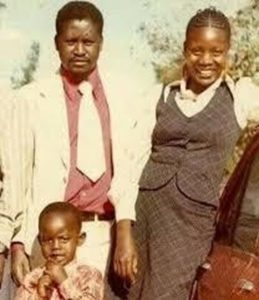
During the 1980s and 1990s, Raila emerged as a central figure in the fight against one-party rule under President Daniel arap Moi. His defiance of authoritarianism led to multiple arrests and nearly nine years of detention without trial. Rather than break his spirit, these years fortified his resolve and laid the foundation for Kenya’s Second Liberation—the return of multiparty democracy in 1991 and the long road to the 2010 Constitution. Raila’s formal political career began in 1992 when he was elected Member of Parliament for Lang’ata. His charisma and patriotism quickly elevated him to national prominence. As Minister for Energy from 2001 to 2002, he spearheaded liberalization and rural electrification. Later, as Minister for Roads, Public Works, and Housing in 2003, he oversaw critical infrastructure upgrades that would become pillars of Vision 2030.
In 2006, Raila played a key role in establishing the National Economic and Social Council, which laid the groundwork for Kenya Vision 2030—a transformative blueprint to propel Kenya into middle-income status. His leadership in long-term policy planning and inclusive development helped anchor national growth in sustainability and equity. Raila’s tenure as Prime Minister from 2008 to 2013 in the Grand Coalition Government marked a turning point in Kenya’s development. Under his stewardship, Vision 2030 was formally adopted and translated into action. He championed inclusive governance, working with leaders across political divides, including Planning Minister Wycliffe Oparanya, to align policy with national goals. Together, they launched transformative projects such as the Thika Superhighway, the expansion of the Port of Mombasa, and the groundwork for the Standard Gauge Railway.
Raila also led energy sector reforms, expanding geothermal and wind power investments and extending rural electrification to stimulate local economies. Yet, his vision extended beyond infrastructure. He believed in people-centered development and was a staunch advocate for justice and inclusion. His role in the passage of the 2010 Constitution was instrumental in introducing devolution, ensuring equitable development across all counties. In 2018, Raila once again demonstrated his commitment to national unity through the historic Handshake with President Uhuru Kenyatta. This act of statesmanship led to the Building Bridges Initiative, aimed at addressing governance, inclusion, and cohesion—core tenets of Vision 2030.
In his later years, Raila championed the concept of a “Broadband Government,” envisioning a digital Kenya powered by technology in governance, education, and entrepreneurship. His foresight laid the foundation for platforms like e-Citizen and youth-led innovation hubs, reinforcing his reputation as a forward-looking leader. Raila’s inclusive approach ensured that his vision would be carried forward by a new generation. His symbolic handshake with President William Ruto underscored his enduring commitment to unity and reconciliation. Earlier handshakes with President Mwai Kibaki and Kofi Annan in 2008 helped end post-election violence and restore peace, marking pivotal moments in Kenya’s history.
Beyond politics, Raila was a deeply human figure—grounded in family, humility, and empathy. He connected with people from all walks of life, listened deeply, and carried the hopes of millions. His life was a blend of courage and compassion, strength and humility, struggle and vision. As Kenya continues its journey toward Vision 2030, it does so on foundations built by Raila Odinga. His legacy lives on in the Constitution, in infrastructure, in institutions, and in the hearts of millions who found hope in his leadership. Raila Amollo Odinga remains one of Kenya’s greatest sons—a statesman of unmatched stature, a reformer of deep resolve, and a visionary who dared to dream of a better Kenya for all.
Similar Posts by The Mt Kenya Times:
- Mt Kenya Times ePAPER October 27, 2026
- Sifuna draws hope from Serbia and Brazil as Kenya’s 2027 race heats up
- Uhuru calls for unity as he marks 65th birthday
- Kenya establishes international crimes division: Justice delayed, but will it be delivered?
- World marathon champion Jepchirchir suspended in fresh blow to Kenya’s clean sport drive
About the Author