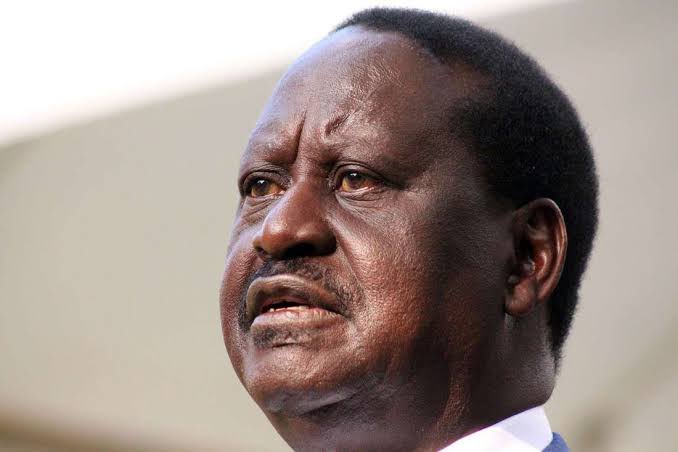
ODM Leader Raila Odinga

By: James Kilonzo Bwire
The recent meeting between President William Ruto and Senegal’s President Bassirou Diomaye Faye marks a pivotal moment in the political landscape of Africa, particularly as it pertains to the candidacy of former Prime Minister Raila Odinga for the chairmanship of the African Union Commission (AUC). As Ruto rallies support for Odinga ahead of the February 2025 elections, this initiative underscores not only Kenya’s diplomatic ambitions but also the broader implications for regional unity and governance on the continent.
Raila Odinga’s bid for the AUC chair is not merely a personal ambition; it represents a collective aspiration for a more integrated and prosperous Africa. The backing from East African leaders, including those from Uganda, Tanzania, and South Sudan, signifies a strong regional consensus that could enhance Odinga’s chances against formidable opponents from Djibouti, Mauritius, and Madagascar. This coalition reflects a strategic alignment among East African nations that could set a precedent for future collaboration in addressing continental challenges.
The significance of this candidacy lies in its potential to reshape the narrative around African leadership. Odinga has articulated a vision that prioritizes unity, development, and the empowerment of ordinary Africans. His commitment to making the AUC a people-centered organization resonates with many who feel marginalized by traditional political structures. By focusing on issues such as poverty alleviation, climate change, and youth unemployment, Odinga aims to address pressing concerns that affect millions across the continent.
Moreover, Ruto’s active involvement in promoting Odinga’s candidacy is noteworthy. Historically, these two figures have been political rivals; however, their collaboration highlights a mature approach to governance where personal differences are set aside for national interest. This partnership could serve as a model for other African leaders who often prioritize political rivalry over collective progress.
The launch of Odinga’s campaign website is another strategic move that demonstrates his commitment to transparency and engagement with the electorate. By outlining his priorities and inviting feedback from citizens across Africa, Odinga is positioning himself as a leader who values dialogue and inclusivity. This approach could resonate well with voters who are increasingly demanding accountability from their leaders.
As East African leaders gather to endorse Odinga’s candidacy, it is essential to recognize the historical context of such support. The region has often been plagued by divisions rooted in tribalism and political rivalry. However, this united front signals a shift towards collaborative governance that prioritizes regional stability over individual ambitions. It presents an opportunity for East African nations to leverage their collective strength in advocating for shared interests on the continental stage.
Nevertheless, challenges remain. The path to securing the AUC chairmanship is fraught with competition from other candidates who also possess significant credentials and support bases. Odinga must not only consolidate regional backing but also engage effectively with leaders from other regions to build a broader coalition. His ability to navigate these complex dynamics will be crucial in determining his success.
Furthermore, the impending elections present an opportunity for African nations to reflect on their leadership choices. As candidates like Odinga emerge with visions rooted in pan-Africanism and unity, voters must critically assess which leaders can genuinely deliver on these promises. The election will serve as a litmus test for the continent’s commitment to transformative leadership.
In addition to addressing immediate political concerns, Odinga’s candidacy raises important questions about the future direction of the African Union itself. The AU has faced criticism for its perceived ineffectiveness in addressing conflicts and crises across the continent. If elected, Odinga would need to champion reforms that enhance the AU’s capacity to respond swiftly and effectively to emerging challenges.
Moreover, his proposals to eliminate visa requirements within Africa and combat trade barriers align with broader efforts to foster economic integration on the continent. Such initiatives could significantly enhance intra-African trade and mobility, ultimately contributing to sustainable development.
As discussions around Odinga’s candidacy unfold, it is imperative for him and his supporters to maintain momentum in their campaign efforts. Engaging with civil society organizations, grassroots movements, and youth groups will be critical in amplifying his message and ensuring that it resonates with diverse constituencies across Africa.
In conclusion, Raila Odinga’s bid for the AUC chairmanship represents a significant moment not only for Kenya but for Africa as a whole. It embodies aspirations for unity, development, and transformative leadership that can address pressing continental challenges. As President Ruto meets with regional leaders to consolidate support for Odinga’s candidacy, they are collectively shaping a vision for an Africa that prioritizes collaboration over division—a vision that could redefine governance on the continent for generations to come. Whether Odinga succeeds in securing this prestigious position will ultimately reflect not only his capabilities but also Africa’s readiness to embrace a new era of leadership focused on collective progress and empowerment.
James Kilonzo Bwire is a Media and Communication practitioner.
Similar Posts by The Mt Kenya Times:
- Dr. Ekrah Ndung’u wins TVET advocacy award after 12 years
- Mt Kenya Times ePAPER October 17-18, 2026
- Ruto bets billions on Kerio Valley — with one eye on 2027
- Ruto’s health ministry kills Murang’a’s digital hospitals
- Kenya bets on Mount Kenya to drive a billion-shilling tourism revival
About the Author