Raila Odinga’s Government Inclusion Amidst IEBC and Protests: A Political Analysis

Mureithi Melvin George. Certified Psychologist by The Counselors and Psychologist Board (C&P).

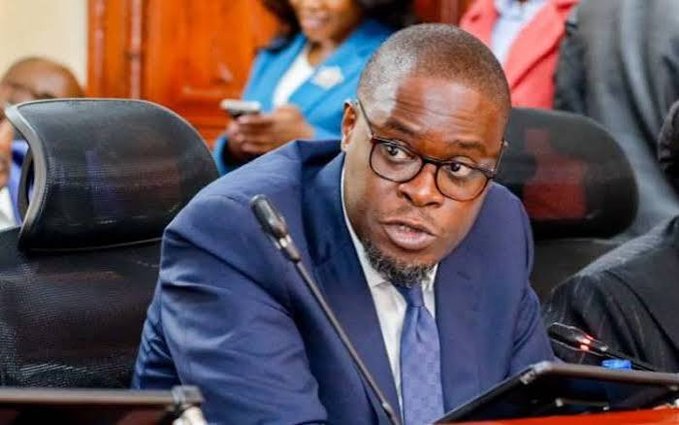
The recent decision by Raila Odinga, Kenya’s prominent opposition leader, to join the government has sparked intense debate and raised significant questions about the country’s political landscape. This move comes against a backdrop of ongoing protests and scrutiny of the Independent Electoral and Boundaries Commission (IEBC), further complicating Kenya’s political dynamics.
Raila Odinga’s decision to join the government marks a notable shift in Kenya’s political paradigm. Historically a fierce critic of the ruling establishment, Odinga’s move has divided opinion among his supporters and adversaries alike. Supporters argue that his decision could foster political stability and enable effective governance by promoting dialogue and cooperation across party lines.
However, critics have voiced concerns about the implications for political pluralism and the credibility of the opposition’s role in holding the government accountable. They fear that Odinga’s alliance with the ruling party could weaken checks and balances, essential for a healthy democratic system.
Meanwhile, the IEBC, responsible for overseeing electoral processes, has come under scrutiny amidst allegations of irregularities and electoral malpractice. Recent protests have erupted across various parts of the country, with demonstrators demanding electoral reforms and transparency from the electoral body.
The protests underscore widespread public discontent and skepticism regarding the fairness and integrity of future elections. Critics argue that without credible electoral reforms, any political realignment, including Odinga’s decision to join the government, may fall short of addressing systemic issues that have plagued Kenya’s democratic processes.
In response to these challenges, stakeholders, including civil society organizations and international observers, have called for inclusive dialogue and comprehensive electoral reforms. They emphasize the importance of transparent and accountable electoral processes to uphold democratic principles and restore public trust.
As Kenya navigates these complex dynamics, the upcoming dialogue scheduled for Tuesday, the 16th, assumes critical significance. It provides a platform for stakeholders to address these pressing issues, including electoral reforms and the implications of Odinga’s government inclusion, on Kenya’s political future.
The outcome of these discussions could shape Kenya’s political trajectory in the coming years, influencing governance, electoral integrity, and democratic stability. As developments unfold, the nation watches closely, anticipating the resolution of these crucial issues that will define Kenya’s political landscape moving forward.
Prepared by,
Mureithi Melvin George.
Certified Psychologist by The Counselors and Psychologist Board (C&P).
Diploma Counselling Psychology.
Pursuing BA Counseling Psychology KCA University.
Email: mureithimelvin02@gmail.com
Similar Posts by The Mt Kenya Times:
- Diaspora Times Global Oct 24 – Oct 30, 2026
- America’s baby bust: U.S. birth rate hits record low as women choose later motherhood
- Literary Outreach Incubation Program Instills The Culture From Book Adaption To Spoken Words
- Why starting school too early is failing our children
- Who defines Africa’s destiny? The western lens, African compliance and the struggle for intellectual sovereignty
About the Author