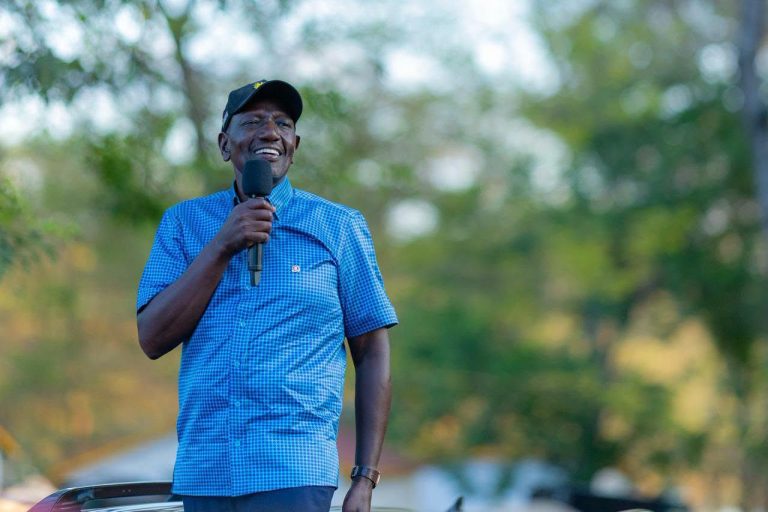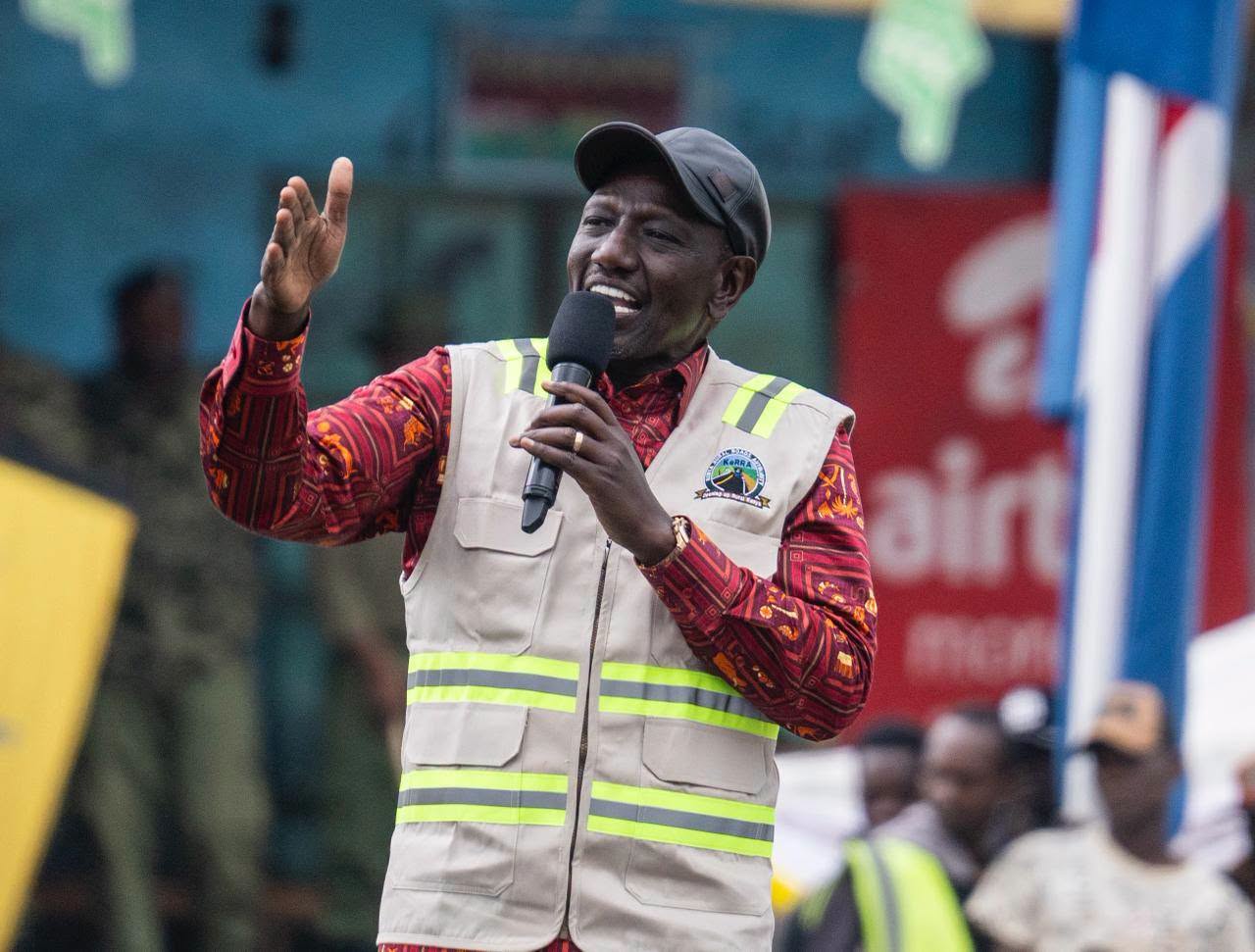
President William Ruto
Ruto fires back: if you can’t offer a plan, stop the attacks
The President’s challenge to the opposition raises a bigger question — one that cuts both ways
By Collins Kibet
President William Ruto’s challenge to Kenya’s opposition raises a much larger political question than the familiar exchange of accusations between government and its critics. As the country enters another politically charged season, Ruto is essentially asking his opponents to move beyond criticism and demonstrate that they possess a credible alternative vision for Kenya.
The question is uncomfortable — but it is necessary. If the opposition believes this government has failed, what exactly would it do differently?
For years, Kenyan politics has been dominated by personalities, shifting alliances and increasingly hostile rhetoric. Governments are attacked, opponents are accused, promises are made and crowds applaud. Yet when the noise subsides, ordinary Kenyans are left confronting the same stubborn problems: unemployment, the rising cost of living, limited economic opportunity, inadequate public services and growing anxiety about the country’s financial future.
Ruto’s challenge is politically strategic. By demanding that his opponents present their own programme, he attempts to shift the conversation away from his administration’s record and towards the opposition’s preparedness to govern. It is a shrewd counterattack, because criticism is relatively easy. Governance is not.
It is easy to stand before a crowd and declare that taxes are too high. It is considerably harder to explain which taxes should be reduced, how much revenue the government would lose as a result, and where the replacement funds would come from. It is easy to condemn public debt. It is far harder to explain how Kenya would service its existing obligations while continuing to finance essential government programmes.
It is easy to promise millions of jobs. It is harder — much harder — to explain where the investment, industries, infrastructure and economic reforms required to create those jobs would actually come from.
This is where Kenya’s opposition must raise its game.
Kenyans deserve an opposition that does more than identify government failures. They deserve one capable of presenting a detailed, credible alternative — a real economic and social programme with substance behind it. If the government says its policies will transform the economy, the opposition should be able to demonstrate precisely why those policies are falling short and offer something better in their place.
But there is an equally important other side to Ruto’s challenge, and it must be stated plainly.
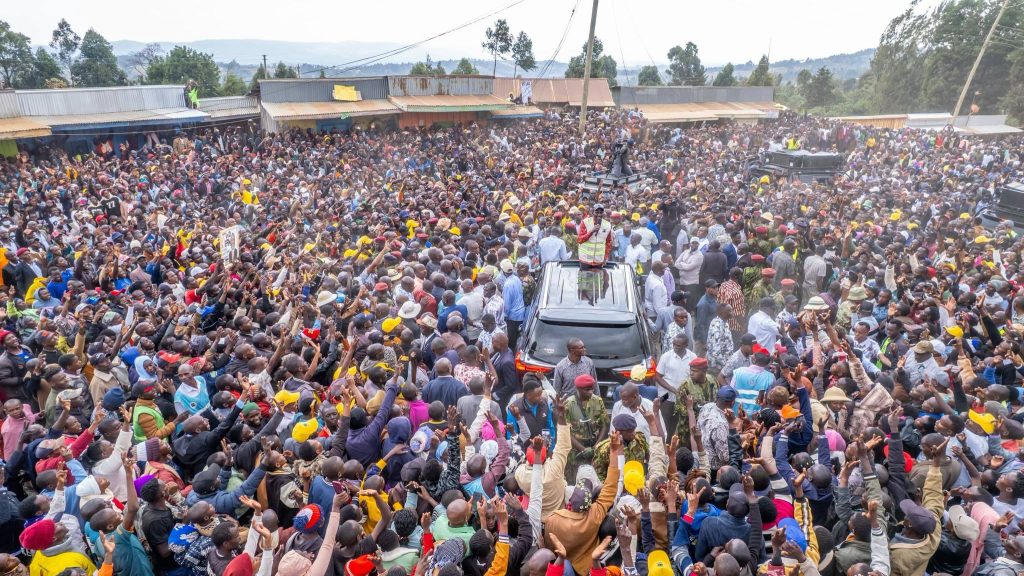
The President cannot demand that the opposition present a plan while simultaneously expecting Kenyans to stop asking difficult questions about his own government’s record. In a functioning democracy, criticism is not an act of treason. Political disagreement is not an attempt to undermine the state. Those entrusted with public power must expect — and welcome — scrutiny. The opposition has a constitutional and democratic responsibility to question government decisions, expose weaknesses and represent citizens who feel their interests are being ignored. A government that wants less criticism must deliver more convincing results.
This matters especially because the economic conversation cannot be reduced to slogans.
For the ordinary Kenyan, economic growth is meaningful only when it translates into something tangible — a job, a profitable small business, affordable food, accessible healthcare, manageable school fees, greater security at home. National statistics may improve on paper while families continue struggling to make ends meet. That disconnect is precisely why political leaders on both sides must explain not only what the economy is doing in the abstract, but how their policies affect real people in practice.
The opposition therefore has a genuine opportunity to turn widespread public frustration into a coherent political programme. Instead of simply saying Ruto is wrong, it should tell Kenyans what it would do about debt. Instead of condemning taxation, it should explain how it would broaden the tax base without suffocating businesses. Instead of promising lower living costs, it should explain how it would reduce production and distribution costs up and down the supply chain. Instead of accusing the government of failing young people, it should present a serious, detailed employment strategy.
And it must go further still.
Kenyans should be told how an alternative government would tackle corruption, strengthen institutions, improve public accountability, reform healthcare, support agriculture, expand manufacturing and create meaningful opportunity for the youth. They should be given numbers, timelines, priorities and measurable targets — not political declarations dressed up as policy.
That distinction is what separates an opposition movement from a government-in-waiting.
Ruto’s administration, however, faces its own test in equal measure. If the President believes his government has a better plan for Kenya, he must communicate that plan clearly and demonstrate its results. Citizens cannot be expected to celebrate policy announcements indefinitely while waiting for improvements they can actually feel.
Ultimately, Kenya cannot afford a political contest in which one side spends all its energy defending itself while the other spends all its energy attacking. The country needs something bigger than that. It needs a genuine competition of ideas — leaders who can sit before Kenyans and answer difficult questions without retreating behind party slogans; an opposition that can say, here is what the government has done wrong, and here is precisely how we would do it differently; a government capable of saying, here is what we promised, here is what we have achieved, here is what remains unfinished, and here is how we intend to fix it.
The next political contest should not simply be a referendum on Ruto. It should be an examination of everyone seeking to replace him.
Kenyans should ask every opposition leader the same question the President is now putting before them: if you were handed the instruments of power tomorrow, what would you actually do differently?
Because Kenya does not need leaders who are merely good at describing problems. It needs leaders capable of solving them. And if any opposition party wants to convince Kenyans that it deserves power, attacking the person in State House cannot be the entirety of the campaign strategy.
Bring the alternative. Bring the numbers. Bring the plan.
Then let Kenyans decide.
Similar Posts by The Mt Kenya Times:
- Instruments required for professional oral hygiene procedures and the requirements for these instruments
- Ruto courts Ukambani with roads and a KSh70B clinker plant as 2027 political contest heats up
- Kalonzo and Gachagua to hold presidential ticket talks today as 2027 opposition race takes shape
- Nyoro’s ‘small wheelbarrow’ moment: How a presidential aide exposed Mount Kenya’s most controversial politician
- Kenya’s political weather: Opposition realignments, public accountability and the test of leadership
About the Author