The bark without the bite: Why Kenya’s NCIC must be disbanded before it buries our democracy
 The Mt Kenya Times
By: Jerameel Kevins Owuor Odhiambo
In the ashes of the 2007–2008 post-election violence, when more than 1,000 Kenyans lay dead, hundreds of thousands displaced, and the nation’s fragile multi-ethnic fabric torn open like a wound that refused to clot, Parliament birthed the National Cohesion and Integration Commission. The National Cohesion and Integration Act of 2008 was meant to be the scalpel that cut out the cancer of ethnic hatred and political intolerance. Nearly two decades later, that scalpel has rusted into a ceremonial knife polished for photo opportunities, waved at press conferences, yet incapable of drawing blood from the powerful. The NCIC is a dog that cannot bite. It must be disbanded.
This is not rhetorical flourish. It is the cold arithmetic of failure. Since its creation, the Commission has recommended thousands of individuals for prosecution over hate speech and ethnic contempt. Convictions that matter, convictions that actually change behaviour among the political class remain vanishingly rare. Files are opened with theatrical solemnity, statements are recorded, then the machinery grinds into the familiar Kenyan silence of selective amnesia. Ordinary citizens and opposition voices feel the leash tighten swiftly. Ruling-party allies often discover the leash is made of silk. The pattern is no longer perception; it is institutional character.
History does not whisper here; it screams. Kenya has walked this road before. The ethnic clashes of the 1990s, the Rift Valley massacres, the orchestrated displacements that became electoral strategy all flourished under the same culture of impunity that the NCIC was created to end. In 2007 the country nearly fractured. The Waki Commission and the Kriegler Report laid the architecture of accountability. The NCIC was supposed to be the living guardian of that architecture. Instead it has become a museum piece: well-funded enough to employ commissioners and produce reports, too weak to enforce the law against those who can afford the consequences of defiance.
Look at the numbers that expose the theatre. Year after year the Commission returns to Parliament requesting hundreds of millions more Sh1.5 billion ahead of 2027 against allocations that hover around half that figure while admitting that a large share of its existing budget is consumed by salaries, rent, and administration. Early-warning systems remain underpowered. Digital monitoring of the toxic sludge that floods social media is reactive rather than forensic. Cases collapse for lack of witnesses, incomplete evidence, or prosecutorial hesitation. Meanwhile, the same politicians who fund and staff the Commission continue to weaponize ethnicity with the confidence of men who know the bark is loud and the bite is absent.
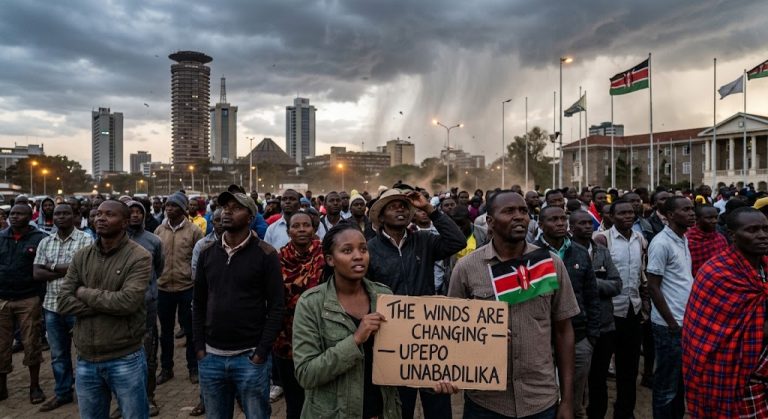
Political intolerance is no longer blossoming; it is fruiting in plain sight. In the months leading into the 2027 election cycle, organised groups have disrupted public participation forums, attacked political convoys, invaded churches, and left citizens and officers dead. Journalists covering opposition activities have been beaten and their equipment destroyed. Youth advocates presenting petitions have been dispersed by force. These are not isolated spasms. They form a pattern of intimidation that treats democratic space as contested territory rather than constitutional birthright. The security apparatus; police, intelligence, prosecutors’ watches, occasionally arrests low-level actors, and then allows the architects to return to the podium. When the guardians of public order treat political violence as seasonal weather rather than criminal enterprise, the message to citizens is unmistakable: power protects its own.
The correlation is brutal and clear. A cohesion body that cannot compel equal accountability becomes an accomplice to the very divisions it was designed to heal. Selective enforcement does not reduce ethnic mobilisation; it legitimizes it. When one side sees the law applied with urgency and the other side sees it applied with delay or dilution, the public concludes that cohesion is a partisan slogan rather than a national covenant. Trust evaporates. In its place grows the cynical calculation that the only reliable protection is ethnic solidarity and the capacity to mobilise force. That is the logic that turned 2007 into a national near-death experience. We are rehearsing the same script with better cameras and faster internet.
Literary imagination fails to exaggerate the absurdity. The NCIC issues solemn statements condemning “divisive rhetoric” while the rhetoric continues uninterrupted from the very platforms that fund the Commission’s existence. It summons the powerful, then watches the summons dissolve into procedural fog. It launches peace caravans and school clubs while the political class perfects the art of coded ethnic signalling that every Kenyan understands and no court seems able to prosecute. The Commission has become the national equivalent of a watchdog that has learned to sit, stay, and look fierce only when the master points at a convenient target.
Disbanding it is not nihilism; it is realism. An institution that has exhausted public confidence, absorbed public resources, and delivered marginal deterrence no longer serves the public interest. The functions it was meant to perform investigation of hate speech, monitoring of ethnic tensions, promotion of national identity can and must be absorbed into stronger, independent mechanisms with real prosecutorial leverage and genuine insulation from political capture. The Office of the Director of Public Prosecutions, the National Police Service, and the judiciary already possess the statutory tools. What they lack is the consistent political will and the institutional courage to apply those tools without fear or favour. Creating another layer of bureaucracy that cannot compel the powerful only multiplies the excuses for inaction.
The security apparatus must now do the work it has long claimed as its own. Political violence is not “politics by other means.” It is crime. Organised groups that disrupt lawful assemblies, attack journalists, and kill citizens are criminal enterprises, not campaign accessories. Intelligence services that detect the mobilisation of goons must disrupt it before blood is spilled, not after. Police commanders who allow political actors to move freely with private armies must face professional and legal consequences. Prosecutors who receive complete files on high-profile hate speech and still hesitate must explain their hesitation in open court or resign. These are not radical demands. They are the minimum requirements of a state that claims to be democratic.
Kenya stands at a familiar and dangerous crossroads. The 2010 Constitution promised a decisive break with the politics of ethnic arithmetic and zero-sum power. That promise is being tested daily by leaders who still calculate that fear and division deliver votes more efficiently than service and inclusion. A toothless NCIC is not merely ineffective; it is actively harmful because it creates the illusion of institutional response while the real work of accountability remains undone. Illusion is the enemy of urgency.
Disband the Commission. Redirect its resources and mandate into institutions capable of enforcement. Demand that the police, the intelligence services, and the prosecutorial authorities treat political intolerance and organised political violence as the existential threats they are. History has already written the cost of hesitation in blood and displacement. The only question left is whether this generation of Kenyans will continue reading the same chapter or finally close the book.
The dog that cannot bite has had its day. Let it be retired before the next election turns its silence into another national tragedy.
The writer is a social commentator
Similar Posts by The Mt Kenya Times:
- Mt Kenya Times ePAPER October 5, 2026
- Sharp school wins national award for career and workforce readiness
- Government takes diaspora jobs drive to the grassroots
- The stolen hands: How we killed the craftsman to create a clerk
- After nearly 60 years in darkness, Nyabiendi awaits the light
About the Author