The Mt Kenya Times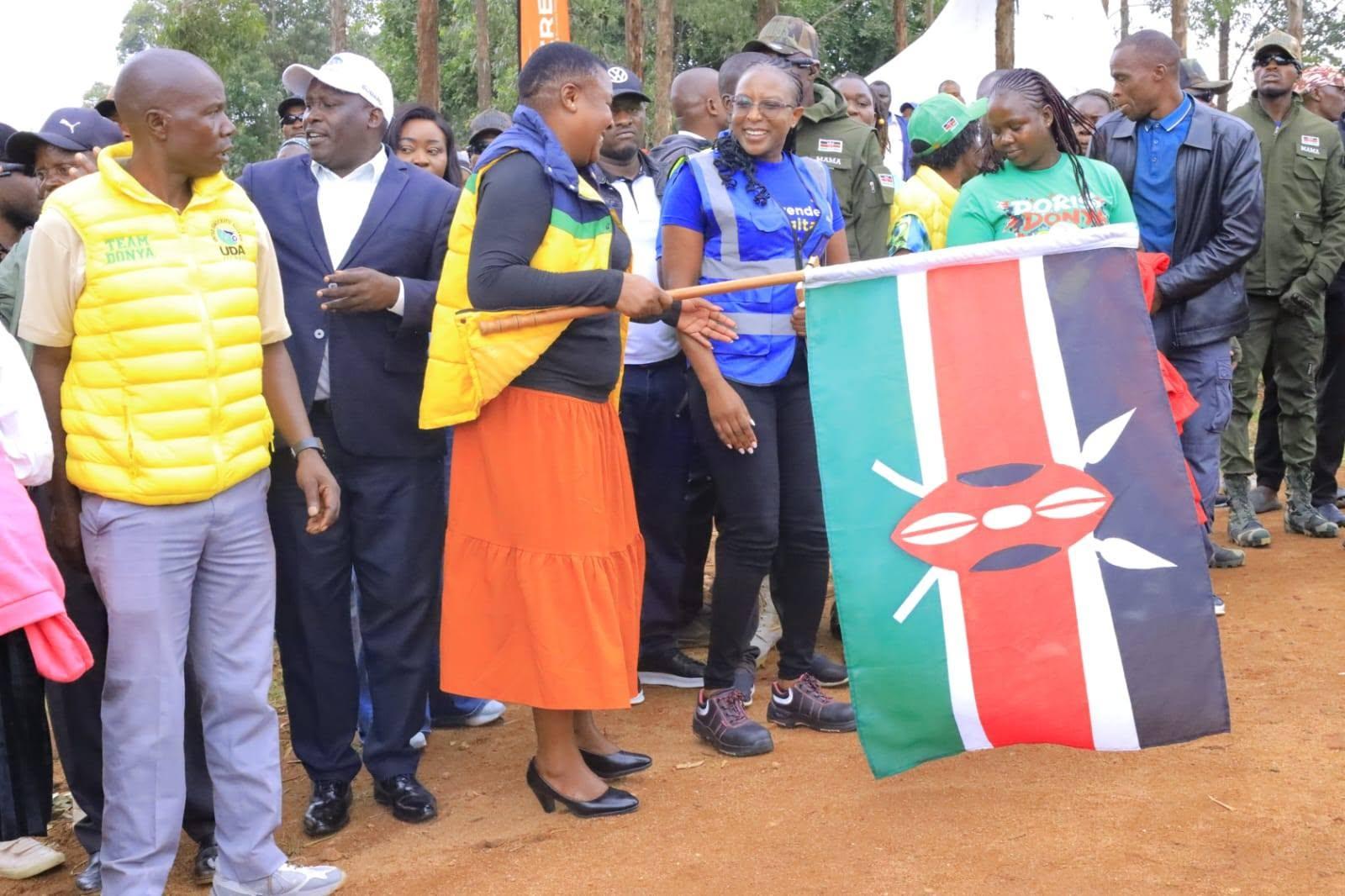
Kisii Woman Representative Dorice Donya, who spoke during the launch of last mile electricity connection project event, she believes the connections will also make the village safer photo/Elizabeth Angira
By Elizabeth Angira
For almost six decades, nightfall in Nyabiendi village, Bomariba Ward, Bonchari Constituency, has meant lanterns, candles and firewood. Families have cooked and studied by their weak glow, and elderly women have prepared meals in kitchens thick with smoke, many left with chest discomfort and a persistent cough.
That long wait is now ending. About 150 households in the village are set to be connected to electricity, and residents say the project could improve schooling, make homes safer after dark and open the way for small businesses. At the same time, elderly women in the area are receiving improved cooking jikos meant to cut their exposure to smoke from open fires.
Cooking in smoke
Jane Manoti has spent most of her life cooking over a traditional fire. The smoke, she says, was simply part of the work.
“Sometimes you cook while the smoke is all over the house. You breathe it in because there is nowhere else to go,” she says.
It has taken a toll on her chest and made cooking harder with each year. Firewood was always easy to find, and for a long time there was no practical alternative. Now she hopes the new jiko will clear her kitchen.
“We have used firewood for many years. If this jiko can reduce the smoke, it will help us because our chests have suffered for a long time,” she says.
Esther Kerubo, another beneficiary, describes the same experience. “When you are cooking, the smoke enters your chest. Sometimes you finish cooking and you are still coughing,” she says.
To her, the jiko means that someone has noticed the women’s health. “We are happy that someone is thinking about our health. We have cooked with firewood for many years, and now we have something that can make cooking easier.”
Their experience is common in rural households that still depend on solid fuels. Women spend long hours near cooking fires, often in poorly ventilated rooms where smoke lingers.
The World Health Organization counts household air pollution from polluting fuels and cooking technologies among significant health risks. Improved jikos can reduce smoke and use less fuel than an open fire, though the health benefit depends on the design of the stove, the ventilation in the kitchen and how consistently it is used.
Both women want the programme to reach others. “There are many women like us who still cook using firewood.
They also need these jikos because they have been breathing smoke for many years,” Kerubo says.
Light after six decades
Electric lighting stands to change evenings in Nyabiendi. Children will be able to read and do homework in better light, and parents will no longer have to rely on kerosene lanterns.
Elderly residents will find it easier to move about their homes and compounds after dark. Young people may gain access to digital devices and information, and perhaps new ways of earning a living.
Safety and livelihoods
Kisii Woman Representative Dorice Donya, who spoke during the launch of last mile electricity connection project event, she believes the connections will also make the village safer. “Insecurity cases are going to drop,” she said. Better lighting makes it easier to move around at night and improves visibility in the community.
She said that, electricity is no guarantee against crime, but lighting can help make public spaces safer when it is backed by effective policing and community vigilance.
Donya also expects the power to spur enterprise. “Even people are going to open businesses,” she said. Shops can stay open later, and barbershops, salons, phone-charging points, welding workshops and refrigeration services become possible.
According to Donya, for young people with few job prospects, such businesses could provide work close to home rather than in distant towns.
Part of a national drive
The Nyabiendi project belongs to a wider national effort to bring power to underserved communities
The Rural Electrification and Renewable Energy Corporation (REREC) is mandated to implement rural electrification projects and lead Kenya’s renewable energy drive. Its programmes target households and public facilities that have long had limited access to the national grid, and the corporation points to benefits for education, health, entrepreneurship, employment and security.
For residents of Nyabiendi, these goals are concrete: a bulb in a child’s bedroom, a shop open after sunset, a phone charged in the village, and an elderly woman able to see clearly in her own home at night.
Protecting girls
Donya also links her community work to the welfare of girls. She says cases of defilement and teenage pregnancy have declined in the area, which she attributes to community interventions aimed at protecting children.
Official records from health facilities, schools, police and child-protection agencies would be needed to establish the scale of any decline.
Such problems have many causes, and no single measure can end them. Parents, schools, community leaders, health workers, law enforcement and child-protection organisations all have a part to play.
Donya said that , better lighting may help make surroundings safer, but it cannot by itself prevent sexual violence or teenage pregnancy. The real test is whether new infrastructure is matched by stronger social protection and accountability.
The political backdrop
The programme is unfolding ahead of the 2027 General Election, in which Donya is expected to contest the Bonchari parliamentary seat, and her development work is likely to draw political attention.
For the residents on the receiving end, though, the concerns are practical. They want electricity, cleaner cooking and safer homes. They want their children to study under proper light and a chance to earn a living without leaving the village.
For Manoti and Kerubo, the jikos matter most. After years over smoky fires, they hope to breathe more easily.
Manoti hopes the help will not end with the first beneficiaries. “There are many elderly women who need this kind of support. We have lived with smoke for many years,” she says.
A different Bonchari
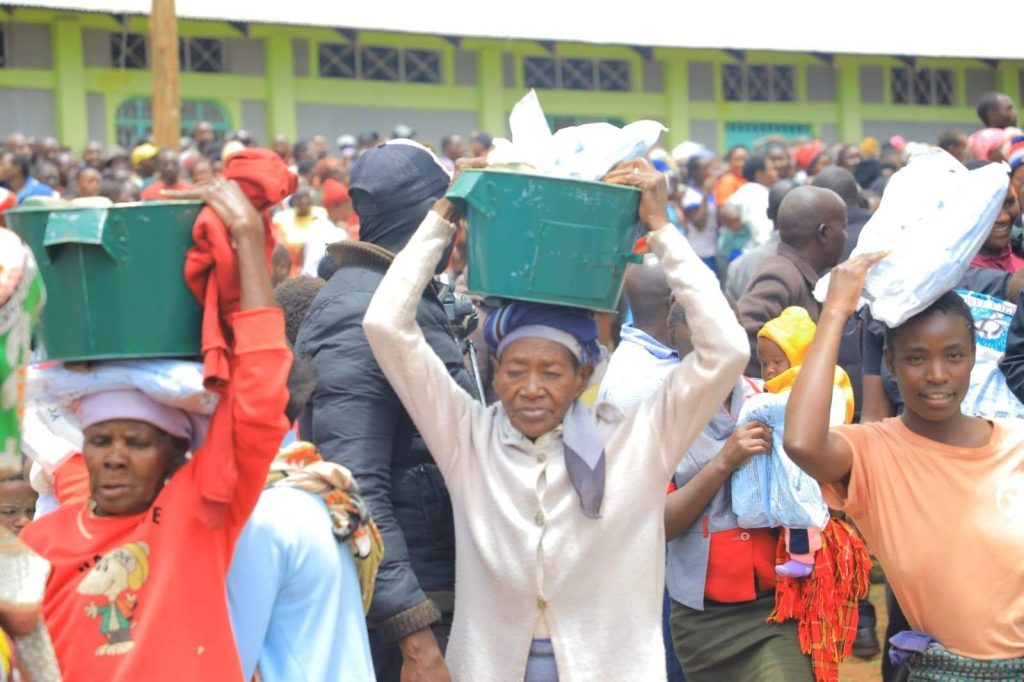
Elderly beneficiaries carrying improved jikos , say the improved jiko gives them hope of reducing the smoke that has affected their chest after years of cooking with firewood photo/Elizabeth Angira
The women also hope for something larger. They want to see their homes lit after sunset, and they want younger generations to grow up in a different Bonchari from the one they inherited.
As the first connections reach Nyabiendi, the change will be measured less by the number of poles erected or households wired than by what families do with the light: a child studying for an examination, a mother running a small business in the evening, an elderly woman cooking in a cleaner kitchen. For a village that has waited almost 60 years, that is the real meaning of electricity.
Donya promised residents that more development would be brought to Bonchari, saying the constituency had been left behind compared with other constituencies that, she noted, had benefited from being aligned with the government.
She said her priority would be to push for more development projects and bring meaningful changes to the constituency. Donya urged residents to support her bid, assuring them that electing her would usher in increased development and new opportunities for the people of Bonchari.
She also urged residents to support President William Ruto for a second term, saying that working closely with the national government would help attract more development projects to the constituency.
Donya said the electricity project was an important step towards transforming Bonchari, noting that access to electricity would create opportunities for businesses, improve security and support other forms of development.
“With electricity, a lot of development will come out of it,” she said, adding that improved access to power would give residents an opportunity to invest in businesses and improve their livelihoods.
Similar Posts by The Mt Kenya Times:
- Mt Kenya Times ePAPER October 5, 2026
- Sharp school wins national award for career and workforce readiness
- Government takes diaspora jobs drive to the grassroots
- The stolen hands: How we killed the craftsman to create a clerk
- Veterans to petition Ruto over Samburu cattle killings
About the Author