From Sleepless Nights to New Beginnings: How Community Kindness Restores Hope and Dignity to Widows
 The Mt Kenya Times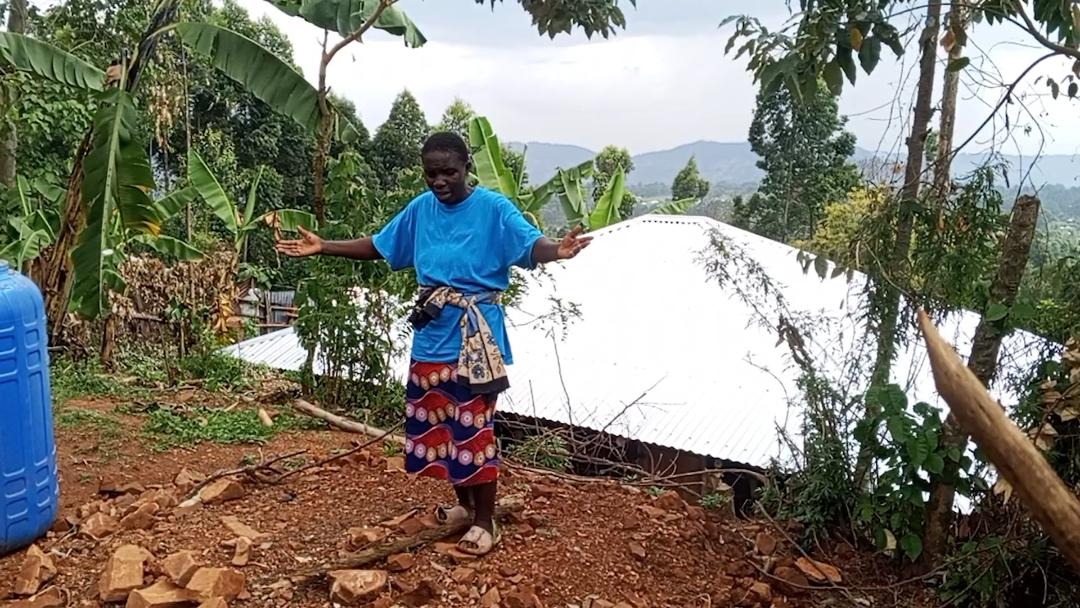
Beatrice Kemunto says she never imagine if she would have that nice house. Photo /Elizabeth Angira
By Elizabeth Angira
Every time dark clouds gathered over the hills of Nyaribari Chache in Kisii County, Beatrice Kemunto Bosire a widow, prayed the rain would pass her home.
It rarely did.
Instead, rainwater poured through the holes in her ageing roof, soaking her bedding and forcing her to spend long, sleepless nights moving from one corner of the house to another in search of a dry place. What should have been a sanctuary had become a source of fear.
For years, the widow lived in a crumbling house that could no longer shield her from the elements. With no stable income and the responsibility of caring for her family, repairing the house remained an impossible dream.
Like many widows in rural Kenya, Kemunto survived by doing casual manual jobs whenever they were available. Some days she earned enough to put food on the table. On many others, she returned home empty-handed, unsure of how she would provide for her family.
Yet despite the hardships, she refused to give up hope.
That hope became reality when Nyaribari Chache parliamentary aspirant Okeng’o Nyambane handed over a newly constructed house, replacing the dilapidated structure that had stood for years as a painful reminder of poverty and neglect.
As neighbours gathered to witness the handover ceremony, Kemunto struggled to contain her emotions. Tears streamed down her face as she stepped into her new home for the first time.
“I never imagined that one day I would own such a beautiful house,” Kemunto says, her voice trembling. “For many years I prayed for a safe place where I could sleep peacefully without worrying whenever it rained. Today, God has answered my prayers.”
Where rusty iron sheets once leaked with every downpour now stood a strong roof. Solid walls had replaced the fragile structure that barely protected the family from cold nights and heavy rains.
For many, it was simply a new house.
For Kemunto, it was the restoration of dignity.
Residents who attended the ceremony said they had watched the widow endure years of hardship.
Fred Osoro neighbor says, Kemunto had lived in extreme poverty and often struggled to afford even the most basic necessities.
“This is more than building a house,” he said. “It is restoring hope to someone who had almost given up.”
Pacificah Nyabwengi neighbor recalled how Kemunto survived through manual labour while sharing the leaking house with her children and her elderly mother-in-law.
“It was heartbreaking to see the family endure such conditions, especially during the rainy season,” she said.
Jane Gesare said neighbours had tried to help whenever they could, but their efforts were limited by their own financial struggles.
“We reached a point where we almost gave up,” she said. “With the current economic situation, raising enough money to build a house was beyond us.”
Kemunto’s story is not unique.
Across Kenya, thousands of widows face similar struggles after losing their spouses. For many, widowhood brings not only emotional pain but also financial hardship, insecure housing and social exclusion.

Linet Nyanchama Nyangweso, a widow, Nyamage village, Kisii Central, recalled the painful years she spent living in a dilapidated, leaking house that robbed her of sleep and dignity.
Nyanchama says every rainy season brought fear instead of comfort as water poured through the roof, forcing her to spend sleepless nights trying to protect her few belongings.
Beyond the physical hardship, she says poverty left her socially isolated.
“I had no friends who visited my home because I didn’t have a decent place to welcome them,” she says.
She recalls a particularly painful moment when she overheard someone, she considered a close friend speaking ill of her.
“I was deeply depressed. I heard a friend I trusted saying, ‘How can I be friends with someone who doesn’t even have a place where we can sit?’ From that day, I felt completely demoralized,” Nyanchama says.
According to Nyanchama, the stigma extended beyond friendships. Some neighbours avoided her altogether, believing that greeting her might lead to requests for food or financial help.
“Some people would simply pass by without even saying hello. They thought that if they greeted me, I would ask them for food or assistance. It was very painful,” she says.
To survive, Nyanchama said she walked long distances in search of casual labour, taking any manual job she could find just to earn enough money for a meal.
Her life changed after a well-wisher stepped in and built her a new house, restoring not only her shelter but also her dignity and hope.
“I thank the well-wisher who came into my life and built me this beautiful home. I now believe that even those who isolated me will come back, greet me, and visit my home,” she says with a smile.
Nyanchama says poverty exposes widows to discrimination, ridicule and loneliness, despite the fact that losing a spouse is never a choice.
“When a widow is poor, people call her all sorts of names and isolate her. If it were up to me, no widow would ever suffer this kind of pain. It is not our wish to live like this.”
She appeals to the government and other well-wishers to support vulnerable widows, saying many continue to endure extreme poverty, social exclusion and emotional suffering without anyone to turn to.
“I urge the government to remember widows because we are among the most vulnerable people in society. We need support and opportunities to rebuild our lives with dignity,” she says.
According to UN Women, 48.3 percent of widows in Kenya live below the national poverty line, significantly higher than the country’s overall poverty rate of 36.1 percent. For many women, the loss of a spouse also means losing access to family income, productive assets, land and inheritance.
In some communities, widows are disinherited or evicted from their matrimonial homes, leaving them to rebuild their lives with little or no support while raising children and caring for elderly relatives.
The challenge extends far beyond Kenya. Worldwide, there are an estimated 258 million widows caring for approximately 585 million children, while 38 million widows live in extreme poverty.
Experts call for lasting solutions
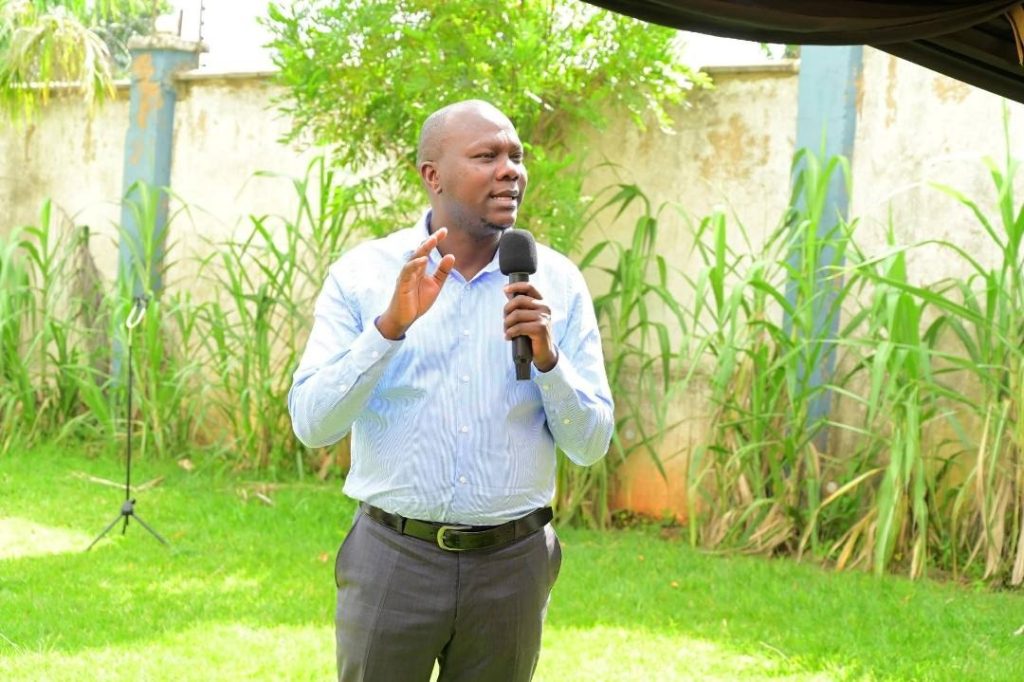
Ruth Mogaka Gender expert say widowhood should never condemn women to a lifetime of poverty.
Mogaka says many widows experience what she describes as “secondary loss” after the death of a spouse.
“The death of a husband should never mean the death of a woman’s economic future,” she says. “Many widows lose income, property and social protection at the very moment they need support the most. Empowering widows is not charity; it is a matter of justice and human rights.”
She says governments and development partners should invest in livelihood programmes, vocational training, financial literacy, affordable credit and stronger protection of women’s land and inheritance rights.
Policy analyst Dennis Anyoka believes Kenya already has laws that protect women’s property and inheritance rights, but enforcement remains weak.
“The challenge is not always the absence of laws,” Anyoka says. “Many widows are unaware of their rights, while others face cultural practices that override legal protections. Strengthening legal aid services and enforcing existing laws would go a long way in protecting vulnerable women.”
He also calls on county governments to expand social protection programmes and invest in economic empowerment initiatives targeting widows and other vulnerable households.
Restoring dignity beyond shelter
Community organisations are equally stepping in to support widows.
The Centre for Community Mobilization and Empowerment (CECOME) Chief Executive Officer Stella Achoki, says decent housing is often the first step towards helping vulnerable women rebuild their lives.
According to Achoki , many widows live in unsafe and deteriorating houses that expose them to illness, insecurity and emotional distress.
“A safe home restores much more than shelter,” Achoki says. “It restores dignity, confidence and hope. Once a widow has secure housing, she can focus on earning a living, caring for her family and participating fully in community life.”
Achoki says lasting change requires integrated support that combines housing, economic
Nyambane, a leader and philanthropist, says true leadership should not be measured solely by the number of roads built or infrastructure projects completed, but by the positive impact leaders make in the lives of the most vulnerable members of society.
According to Nyambane, leaders have a moral responsibility to restore hope and dignity to people living in extreme poverty.
“Leadership should be measured not only by roads and infrastructure but also by the ability to uplift vulnerable members of society,” he says
Through his community initiative, Nyambane has supported hundreds of vulnerable families by constructing decent homes for widows and disadvantaged households, settling hospital bills for patients unable to afford treatment, paying school fees for needy children, and clearing morgue bills for bereaved families.
He says these acts of compassion have transformed lives and restored hope to many families who had lost faith in the future.
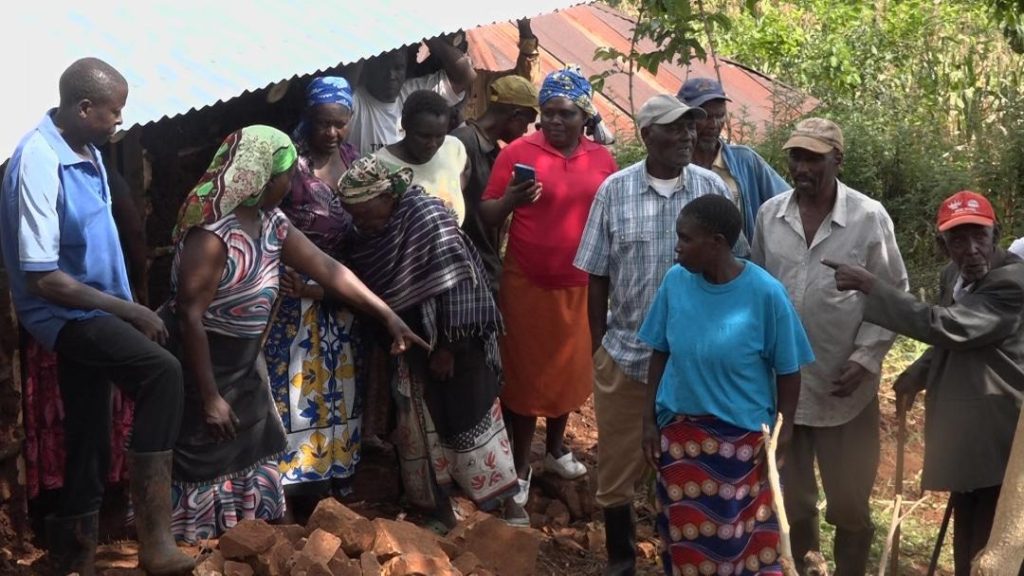
Nyambane calls on fellow leaders, well-wishers and members of the community to join hands in supporting families living in desperate conditions, noting that even a single act of kindness can make a lasting difference.
“When you help a vulnerable person, you change their life forever. I cannot stand by and watch people continue living in such painful conditions when there is something we can do to help,” he says.
He adds that seeing vulnerable families regain their dignity, children return to school, and widows move into safe and decent homes is the greatest reward for his efforts and motivates him to continue serving the community.
As villagers admired Kemunto and Nyanchama new home, the mood shifted from sympathy to celebration.
Children laughed as they played in the compound. Neighbours smiled and congratulated the widow. For the first time in many years, the sound of approaching rain no longer filled her with fear.
The walls of her new home offer more than protection from the weather. They represent security, dignity and the promise of a better tomorrow.
Kemunto and Nyanchama their journey reminds us that while statistics reveal the scale of widow poverty, they cannot fully capture the human stories behind the numbers.
Sometimes, the most meaningful change begins with a simple act of kindness.
For Kemunto, a house is no longer just a building made of bricks and iron sheets.
It is a symbol of hope restored, dignity reclaimed and the power of a community that refused to let one of its own be forgotten.
Similar Posts by The Mt Kenya Times:
- Let students reward their teachers with excellence, not expensive gifts
- The emperor’s new markets: How cartels in fertilizer, cement and steel still rule the regional kingdoms of SADC, COMESA and the EAC
- Kenya’s missing link in the war against corruption: Why government must invest in grassroots social audits
- Kenya’s weekly political weather: Mashujaa Day, Ruto’s re-election message and the storms gathering beyond Eldoret
- My mother tongue: My identity, national pride, and future
About the Author