Kenya’s weekly political weather: Mashujaa Day, Ruto’s re-election message and the storms gathering beyond Eldoret
 The Mt Kenya Times
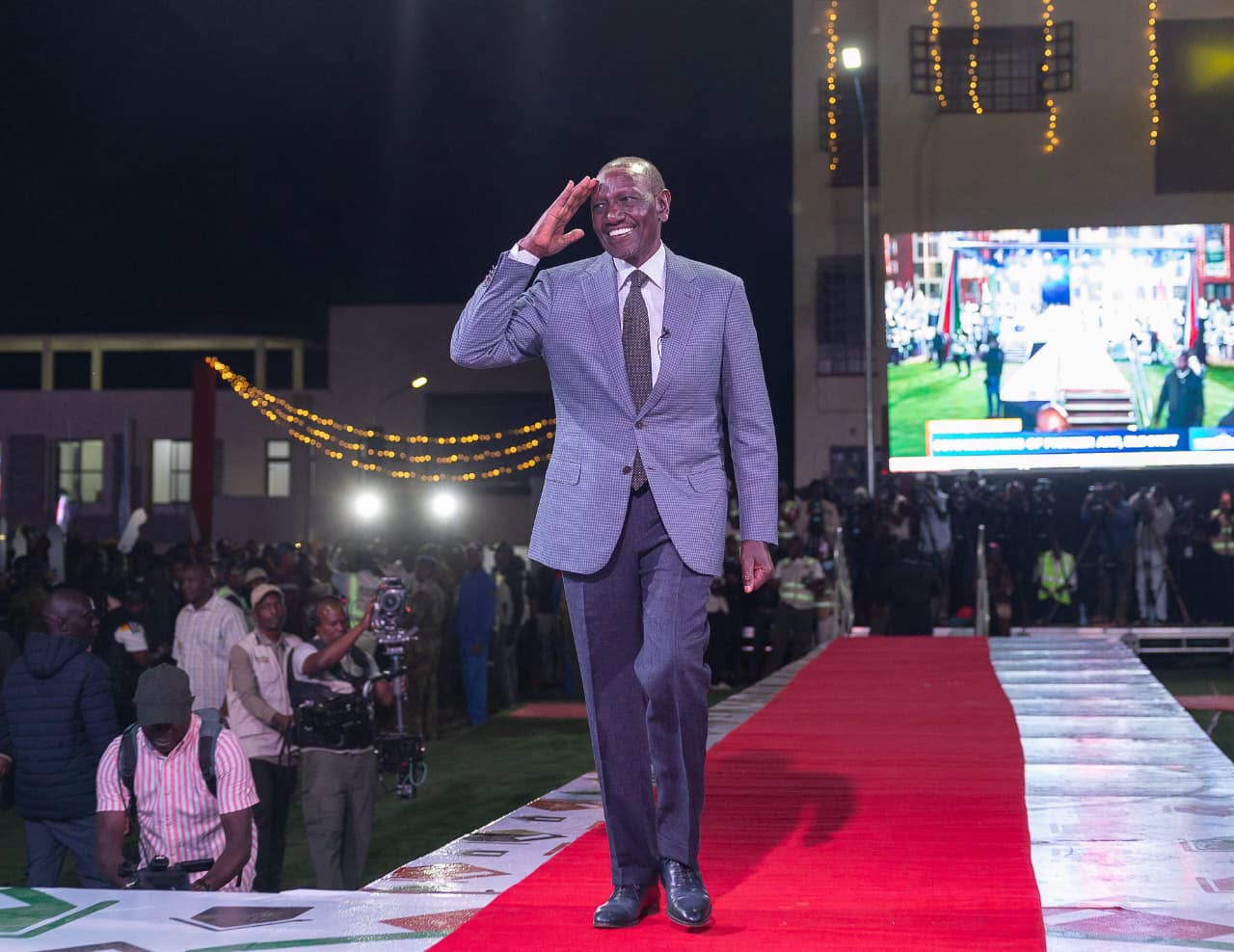
President William Ruto
By Mr. Fredrick Kipchumba Chelimo – PWD
Email; fkipchelimo@yahoo.com
“The true measure of a nation’s heroes is not the grandeur of its celebrations, but the government’s willingness to honour their sacrifices through justice, accountable leadership and opportunities for every citizen.”
Kenya enters the coming week under the shadow of a national celebration that could become one of the most consequential political moments before the 2027 general election. Eldoret’s Mashujaa Day celebrations, 20 October, will provide President William Ruto with a national platform to demonstrate his government’s development record, consolidate his political support in the North Rift and reinforce the argument that his administration deserves another term. Yet the political weather surrounding the occasion is considerably more complicated than the celebratory atmosphere suggests. Unresolved public grievances, competing political ambitions, economic pressures and questions of inclusion are converging at a moment when the government needs to demonstrate not merely visibility, but credibility.
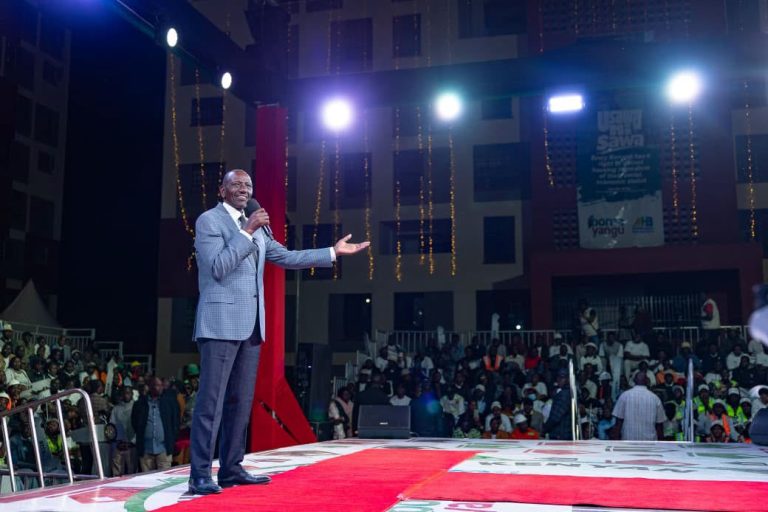
The dominant forecast is that the coming week will be characterised by a contest between the politics of delivery and the politics of accountability. President Ruto’s North Rift tour has featured roads, markets, affordable housing, hospitals, technical training institutions, electricity connections and land titles. His rally in Eldoret on Saturday, 17 October, attracted thousands, while his Sunday engagements in Nandi reinforced the message that development programmes should continue beyond the next election. The President has also warned voters against electing leaders who promise to discontinue his flagship projects. These interventions suggest that the administration is already framing the 2027 election as a choice between continuity and disruption.
The coming week is therefore likely to see intensified efforts to convert development announcements into political confidence. However, the government faces a familiar challenge in Kenyan politics: the distance between commissioning a project and demonstrating its sustained public value. Residents will increasingly ask whether roads are completed, hospitals adequately staffed, markets occupied by traders and economic empowerment funds reaching intended beneficiaries. The administration’s political advantage will depend less on the number of projects presented during the tour than on whether citizens experience tangible improvements in their livelihoods. Opposition leaders, meanwhile, are likely to scrutinise stalled projects, implementation gaps and the distribution of public resources, seeking to challenge the government’s narrative of delivery.
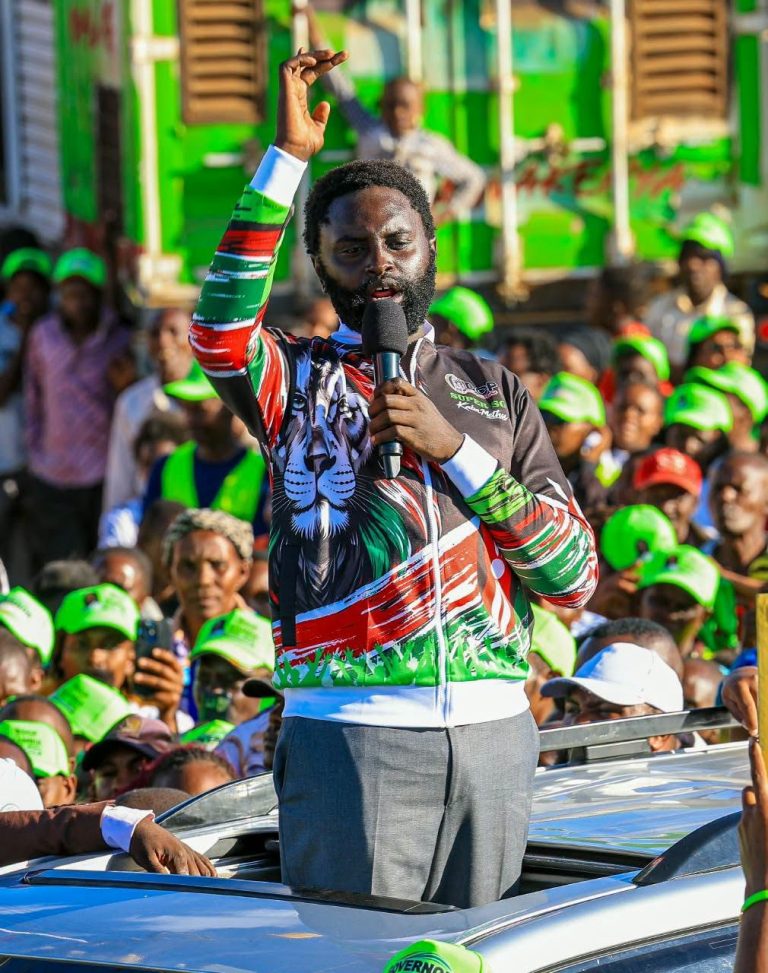
Mashujaa Day will also test the relationship between national and county politics. Trans Nzoia Governor George Natembeya’s criticism of the government’s political approach, alongside his calls for opposition unity, illustrates the growing competition for regional influence. The participation of leaders from different political camps in presidential engagements does not necessarily indicate a durable alliance. In Kenya’s fluid political environment, cooperation over development can coexist with rivalry over electoral strategy. The coming days may reveal more about which leaders intend to work with the President, which are positioning themselves for an alternative coalition, and which are keeping their options open. The North Rift’s political significance will extend well beyond the ceremony because its voting patterns, influential leaders and economic interests will remain important to the national contest.
The most immediate threat to the celebratory narrative, however, may come from the unresolved Finland and Canada overseas education programme. On 16 October, affected parents and students threatened demonstrations during Mashujaa Day, demanding refunds and presidential intervention following the conclusion of the criminal proceedings. Reports indicate that more than KSh1 billion was collected from hundreds of families. The proposed mediation process has not yet extinguished their frustration. The forecast is for renewed public pressure, with the possibility that the grievance could overshadow parts of the national celebration if the families feel ignored.
The judicial outcome must be respected, and no individual should be presumed guilty contrary to the court’s determination. Nevertheless, the families’ demand for financial accountability remains a separate public concern. The government and county leadership will need to demonstrate that the matter is receiving a credible, transparent and lawful response. A carefully managed dialogue, a clear accounting of funds and an explanation of available recovery options could reduce tensions. Political speeches or appeals for patience without verifiable progress are unlikely to restore confidence. The issue may also become a wider campaign talking point about public accountability, the protection of families’ savings and the responsibilities of county institutions.
Disability inclusion presents another important test, particularly in Uasin Gishu. Representatives from the county’s 30 wards have challenged delays affecting the KSh15 million disability empowerment allocation and demanded meaningful participation in decisions concerning their livelihoods. The reported proposal to channel KSh500,000 per ward through Inua Biashara has raised expectations, but the critical question is whether the funds will be released transparently and reach eligible beneficiaries. The coming week offers an opportunity for county and national leaders to demonstrate that disability rights are part of ordinary public administration rather than a ceremonial concern. Accessible facilities, reasonable accommodation, inclusive procurement and clear funding commitments would provide more persuasive evidence of inclusion than symbolic appearances at the stadium.
The national health situation will demand a different kind of political attention. On 18 October, reports indicated that Kenya’s confirmed Ebola cases had reached seven, including one death. The government’s response will increasingly be judged by the effectiveness of contact tracing, infection prevention, healthcare worker protection and public communication. The coming week should bring heightened scrutiny of preparedness and coordination between national and county health authorities. Authorities must communicate verified information without provoking panic, while ensuring that political celebrations do not distract from essential public health responsibilities.
Economically, the central question will be whether the government’s development narrative translates into household relief. Farmers need dependable markets and water, young people need employment, and small businesses need predictable costs and access to finance. Affordable housing and new markets can contribute to economic growth, but their impact depends on affordability, effective management and the ability of ordinary citizens to benefit. The government will need to demonstrate how investment supports jobs, productivity and household incomes as the electoral period approaches.
The week’s final political weather system will be the growing demand for credible inclusion in national development. The Constitution’s principles of public participation, equality, accountability and equitable distribution of resources provide a standard against which government claims should be measured. Mashujaa Day celebrates sacrifice and national service; it should also challenge institutions to explain why some citizens must repeatedly protest to obtain services, funding or opportunities already provided for in policy and law.
The most likely outcome is a politically successful national celebration accompanied by continued pressure over unresolved grievances. Whether the event produces lasting political gains will depend on the government’s response in the days that follow. If the promises made during the North Rift tour acquire budgets, deadlines and transparent implementation, the administration will strengthen its case for continuity. If outstanding grievances remain unresolved, the opposition and dissatisfied communities will have further evidence with which to challenge its record.
Kenya’s political weather for coming week is therefore best described as sunshine on the national stage, with gathering storms over accountability, inclusion and the approaching election. Eldoret will host the nation’s heroes, but the real political verdict will emerge from what leaders do after the celebrations end. The public is increasingly interested not simply in what government promises, but in what it delivers, whom it includes and whether it can be held accountable when commitments fail.
The coming week will test whether Mashujaa Day becomes a celebration of national achievement or a reminder that the unfinished business of justice, inclusion and accountable development remains Kenya’s most demanding political challenge.
Similar Posts by The Mt Kenya Times:
- Let students reward their teachers with excellence, not expensive gifts
- The emperor’s new markets: How cartels in fertilizer, cement and steel still rule the regional kingdoms of SADC, COMESA and the EAC
- Kenya’s missing link in the war against corruption: Why government must invest in grassroots social audits
- My mother tongue: My identity, national pride, and future
- Mt Kenya Times ePAPER October 19, 2026
About the Author