The Economic Implications Of Jimmy Wanjigi’s Statement: Understanding The Risks And Solutions
 The Mt Kenya Times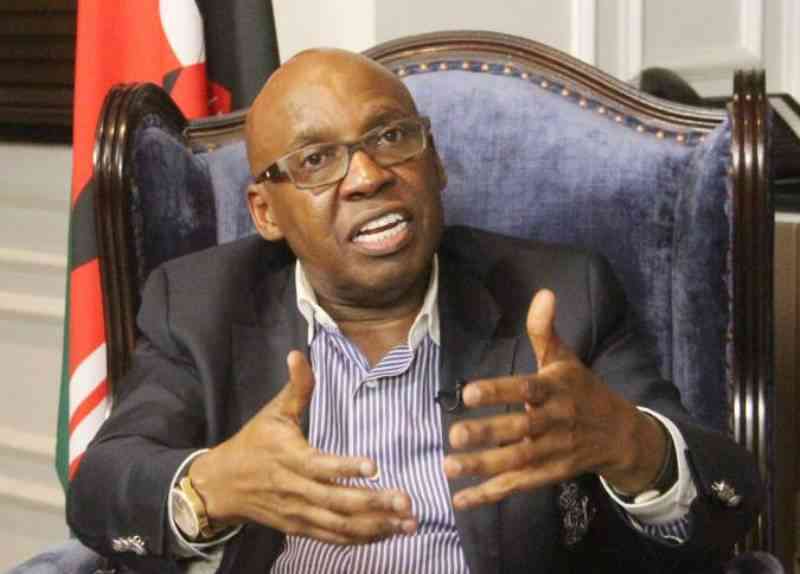
Jimmy Wanjigi, a prominent Kenyan businessman and political figure.
By: Midmark Onsongo
Worth Noting:
- Inflation Rate: The inflation rate measures the percentage increase in the price level of goods and services over time. High inflation can erode purchasing power and savings, leading to economic instability.
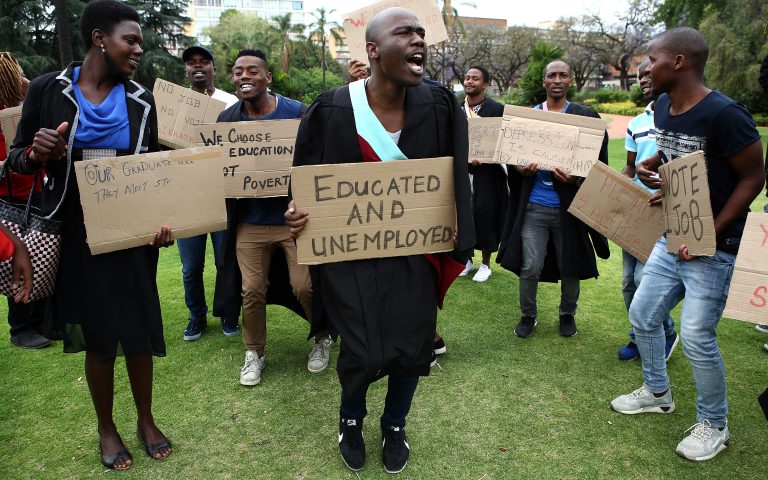
- Unemployment Rate: This is the percentage of the labor force that is unemployed and actively seeking work. A high unemployment rate can indicate economic distress and inefficiencies in the labor market.
- Current Account Balance: This reflects the difference between a country’s savings and its investment. A positive balance indicates that a country is a net lender to the rest of the world, while a negative balance suggests it is a net borrower.

Jimmy Wanjigi, a prominent Kenyan businessman and political figure, is known for his outspoken views on the country’s economic and political landscape. His recent statement, which has sparked widespread debate, touches on critical issues regarding Kenya’s economic health. To fully grasp the weight of Wanjigi’s concerns, it is essential to understand both who he is and the broader economic concepts he alludes to, such as Gross Domestic Product (GDP), Gross National Product (GNP), and other related terms. Moreover, understanding these concepts in the context of Kenya’s current situation reveals the potential dangers Wanjigi is hinting at and suggests pathways for addressing these challenges.
Who is Jimmy Wanjigi, and What Did He Say?
Jimmy Wanjigi is not just a businessman but also a significant political influencer in Kenya. Known for his involvement in various high-profile deals and his influence behind the scenes in Kenyan politics, Wanjigi has often positioned himself as a critic of the government’s economic policies. In his recent statement, Wanjigi raised alarm over the state of Kenya’s economy, particularly focusing on the government’s management of economic indicators like GDP and GNP. His concern is not just a general critique but a pointed observation that Kenya’s economic policies might be leading the country down a precarious path.
Wanjigi’s statement suggests that Kenya’s economic indicators are not reflecting the true state of the economy. He implies that despite what the numbers might show on the surface, the lived economic reality for many Kenyans is deteriorating. This discrepancy between the perceived economic health and the actual conditions on the ground is what makes his statement particularly troubling.
Understanding Key Economic Terms
To fully appreciate the implications of Wanjigi’s concerns, it’s crucial to understand several key economic terms:
Gross Domestic Product (GDP): GDP is the total value of all goods and services produced within a country’s borders over a specific period, typically a year. It is a broad measure of a nation’s overall economic activity and is often used to gauge the health of an economy.
Gross National Product (GNP): GNP takes the concept of GDP a step further by including the value of all goods and services produced by the residents of a country, both domestically and abroad. GNP subtracts the income earned by foreigners within the country and adds the income earned by nationals abroad.
GDP per Capita: This is the GDP divided by the population of the country. It provides an average economic output per person, which is often used as an indicator of the standard of living.
Inflation Rate: The inflation rate measures the percentage increase in the price level of goods and services over time. High inflation can erode purchasing power and savings, leading to economic instability.
Unemployment Rate: This is the percentage of the labor force that is unemployed and actively seeking work. A high unemployment rate can indicate economic distress and inefficiencies in the labor market.
Current Account Balance: This reflects the difference between a country’s savings and its investment. A positive balance indicates that a country is a net lender to the rest of the world, while a negative balance suggests it is a net borrower.
National Debt: The total amount of money that a country’s government has borrowed, typically through issuing bonds. High levels of national debt can lead to higher interest rates and reduced public investment.
Foreign Direct Investment (FDI): This refers to investments made by a foreign entity into the economy of another country. High levels of FDI are often associated with economic growth and development.
Exchange Rate: The value of a country’s currency in relation to another currency. Exchange rate fluctuations can impact international trade and investment.
Budget Deficit: This occurs when a country’s expenditures exceed its revenues. Persistent budget deficits can lead to an accumulation of debt.
The Dangers Highlighted by Wanjigi
Wanjigi’s statement suggests that Kenya is facing several economic dangers, particularly if the government continues on its current trajectory. The first danger is economic stagnation. If Kenya’s GDP is not growing at a sufficient rate, the economy could stagnate, leading to higher unemployment, lower income levels, and decreased consumer confidence. This stagnation can create a vicious cycle, where reduced spending leads to lower production, further exacerbating unemployment and economic decline.
Another significant danger is income inequality. If GDP growth is concentrated in certain sectors or regions, it could lead to a widening gap between the rich and the poor. This inequality can breed social unrest, as large portions of the population may feel left behind by the country’s economic progress. Furthermore, high levels of national debt, as highlighted by Wanjigi, are particularly concerning. If a large portion of the government’s revenue is devoted to servicing debt, there will be less available for critical investments in infrastructure, education, and healthcare, all of which are necessary for long-term economic growth.
Additionally, if Kenya’s current account balance is negative, it indicates that the country is importing more than it is exporting, leading to a depletion of foreign reserves and increased dependency on foreign debt. This situation can make the country vulnerable to external economic shocks, such as fluctuations in global commodity prices or changes in foreign exchange rates.
Lessons from Other Countries: The Case of South Korea
South Korea’s economic transformation is a remarkable example of how a country can overcome significant challenges, including a massive debt burden, to achieve long-term prosperity. After the Korean War (1950-1953), South Korea was left in ruins, with a per capita income equivalent to around 9,380 KES in 1953. The country faced enormous challenges, including significant external debt and limited natural resources. In the early stages of rebuilding, South Korea relied heavily on foreign aid and accumulated substantial debt to finance its industrialization.
By the 1960s, South Korea’s debt had grown as the country pursued aggressive economic development policies. By the early 1980s, South Korea’s debt had reached approximately 4.9 trillion KES. This debt was primarily used to fund the development of key industries such as electronics, automobiles, and shipbuilding, which were crucial to the country’s export-oriented growth strategy. To manage and eventually reduce this debt, the South Korean government implemented several strategic measures. One of the key strategies was promoting exports to generate foreign exchange, which was vital for repaying external debt. The government also invested heavily in education and infrastructure, which created a skilled workforce and a supportive environment for industrial growth.
Throughout the 1980s and 1990s, South Korea maintained strict fiscal discipline by reducing government spending and controlling inflation. This prudent management helped stabilize the economy and reduced reliance on external borrowing. Additionally, favorable global economic conditions allowed South Korea to export its goods and services at competitive prices, further boosting economic growth. In the late 1990s, South Korea faced a severe financial crisis, known as the Asian Financial Crisis of 1997, which forced the country to seek financial assistance. The government responded by implementing structural reforms, including deregulating the financial sector, improving corporate governance, and enhancing transparency in business practices. These reforms, combined with continued economic growth, enabled South Korea to repay its debts ahead of schedule. By the early 2000s, South Korea had effectively liberated itself from the burden of external debt. The country’s economy continued to grow, and today, South Korea is one of the world’s leading economies, with a gross domestic product (GDP) in the trillions of Kenyan shillings and a per capita income well above 4.2 million KES. South Korea’s success story is a testament to the power of strategic planning, economic diversification, and resilience in overcoming debt and achieving long-term prosperity.
To understand how Kenya might navigate these challenges, it is instructive to look at the example of South Korea. In the late 1990s, South Korea faced a severe economic crisis, partly due to high levels of national debt and a negative current account balance. However, through a combination of fiscal discipline, structural reforms, and increased investment in key sectors like technology and education, South Korea was able to pay down its debt and stabilize its economy. Today, South Korea is one of the world’s leading economies, with a strong GDP growth rate, low unemployment, and a high standard of living.
Solutions for Kenya
For Kenya to avoid the pitfalls that Wanjigi has pointed out, the government must take proactive steps to strengthen the economy. First, there needs to be a focus on reducing the national debt through prudent fiscal management and reducing unnecessary expenditures. The government should also aim to diversify the economy by investing in sectors like technology, manufacturing, and agriculture, which have the potential to drive long-term growth.
Additionally, addressing income inequality should be a priority. This can be achieved by implementing social programs that provide education, healthcare, and employment opportunities for marginalized communities. Finally, improving the business environment to attract more foreign direct investment can help boost economic growth and create jobs.
Jimmy Wanjigi’s statement serves as a crucial reminder of the economic challenges facing Kenya. By understanding key economic indicators and learning from the experiences of other countries, Kenya can develop strategies to mitigate these dangers and build a more stable and prosperous future. The road ahead will require strong leadership, sound economic policies, and a commitment to inclusive growth. With the right approach, Kenya can overcome its current challenges and achieve sustained economic development.
I owe my deep understanding and ability to articulate these complex economic issues to Dr. Wamuyu Wamai, my Spatial Organization lecturer. Her guidance has greatly enhanced my analytical skills, enabling me to explore and explain these topics with clarity and depth.
This article was scripted by;
MIDMARK ONSONGO
(Sustainable economist, Geo-Politics strategizer)
Similar Posts by The Mt Kenya Times:
- Diaspora Times Global Sep 26 – Oct 2, 2026
- RS South Africa supports next-generation edge AI with NVIDIA Jetson Orin Nano 2
- AFRICLOUD opens Lagos region and local-currency payments across African markets
- Fine Spinners targets Kenya’s US apparel supply chain with $5m investment
- Nuclear energy debate must begin with public trust and shared responsibility
About the Author