The Exclusion Economy: How Digital Discrimination Widens Kenya’s Marginalized Gap
 The Mt Kenya Times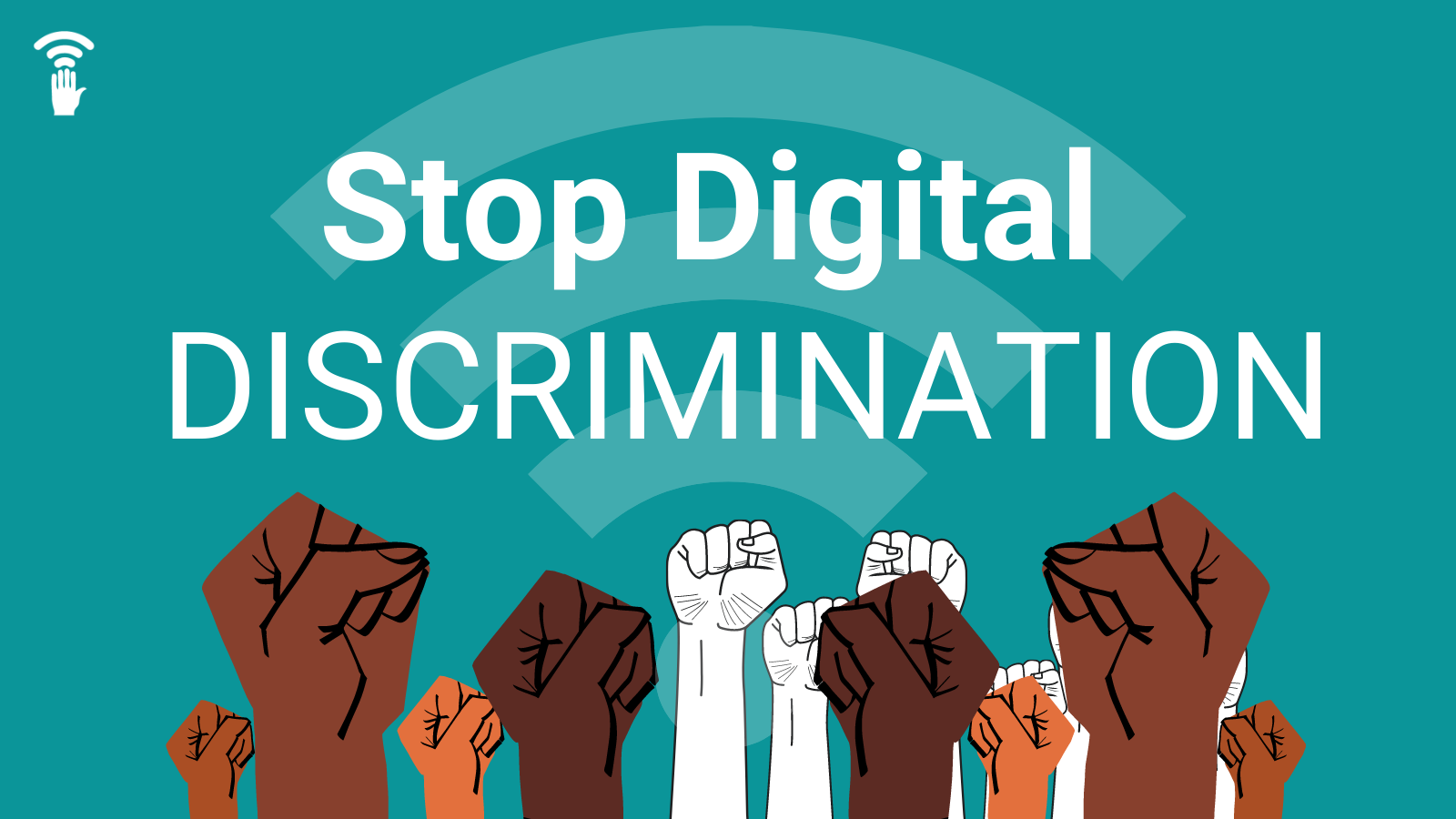
By Jerameel Kevins Owuor Odhiambo
The rapid advancement of Kenya’s digital landscape, epitomized by its world-leading mobile money systems and increasingly digitized public services, has often been hailed as a model for African development. Yet, this technological progress casts a deep shadow: a persistent and severe digital divide that fundamentally entrenches existing socio-economic disparities. This gap is far more than a simple lack of internet access; it is an active mechanism of digital discrimination that concentrates power and opportunity among the urban elite, while pushing marginalized communities further into an “exclusion economy.” The nation risks a future where the promise of a digital dividend is reaped only by a select few, leaving the majority behind.
This divide is fundamentally rooted in stark geographical inequality across the country. While major urban centers like Nairobi boast robust fiber-optic infrastructure and near-total 4G coverage, vast swathes of rural and remote regions remain critically underserved. Consequently, residents in these areas face significantly higher costs for data and unreliable service, or no service at all, effectively locking them out of the modern economy. This uneven distribution of digital infrastructure mirrors, and in fact accelerates, the existing regional imbalances in wealth and development, making location a determining factor in one’s life chances. Without targeted infrastructure investment, the physical map of connectivity will continue to dictate the social map of opportunity.
 This geographical barrier is compounded by severe economic discrimination manifesting as an affordability crisis. For a large percentage of Kenyans living in poverty, the upfront cost of an internet-enabled smartphone represents a substantial, often impossible, investment. Furthermore, the recurring expense of data bundles and airtime makes consistent online engagement unsustainable for low-income households, effectively rendering accessible infrastructure useless. This financial hurdle prevents millions from accessing essential digital services like mobile banking, online education, and vital government information. In this context, the digital exclusion of the poor is not a choice, but a harsh financial necessity dictated by income disparity.
Gender discrimination acts as a significant multiplier of the digital gap, particularly within rural and low-income settings. Studies consistently show a measurable gender gap in mobile internet adoption, with women having lower rates of smartphone ownership compared to men. This disparity stems from ingrained socio-cultural norms, lower female education rates, and limited economic autonomy that restricts a woman’s ability to purchase her own device and data. As a result, women are less likely to participate in the burgeoning digital economy, access online training, or benefit from information that could improve their health and livelihoods. Addressing this gendered exclusion is paramount to achieving equitable national development.
The government’s laudable shift to mandatory e-government services, such as the eCitizen portal, has also created a new form of systemic exclusion. These platforms are designed with an inherent assumption of digital literacy and continuous, reliable internet access among all citizens. For those who lack the necessary skills, have low literacy, or live in areas with poor connectivity, accessing critical documents or services becomes an immense, often insurmountable, barrier. This transformation risks converting the right to public service into a privilege contingent on one’s digital capacity, thus compounding the marginalization of those already struggling. The digital delivery of services, without inclusive design, ironically becomes a tool of discrimination.
A substantial digital literacy deficit remains a core barrier, particularly for older citizens and those with lower educational attainment in marginalized communities. Possessing a device and connectivity is meaningless without the functional knowledge to utilize them effectively, safely, and meaningfully. This lack of essential skills prevents citizens from engaging with complex interfaces, evaluating online information, or protecting themselves from cyber threats. Consequently, the limited digital skills of many marginalized groups directly contribute to lower usage rates, reinforcing the cycle of exclusion. Targeted, practical training is just as crucial as providing the hardware itself to truly bridge the gap.
Finally, the lack of locally relevant content and language support constitutes a subtle but powerful barrier to inclusion. Much of the available government, educational, and commercial content on the internet in Kenya is predominantly presented in English. This linguistic bias automatically alienates communities where local languages are primary, reducing the immediate utility and appeal of the internet for their daily lives and economic activities. If the internet does not speak to local needs and cultural contexts, people will naturally disengage, perceiving it as a tool for the privileged. Digital inclusion, therefore, requires a concerted effort to populate the web with culturally and linguistically appropriate material.
Addressing this deep-seated divide demands a comprehensive national strategy focused equally on access, affordability, and skills. To tackle infrastructure gaps, the government must aggressively scale innovative, low-cost Last-Mile Connectivity Solutions such as Fixed Wireless Access (FWA) and TV White Space (TVWS) technologies, which bypass the expense of laying fiber in remote areas. Furthermore, substantial public funding, likely through the Universal Service Fund (USF), must be channeled into expanding Community Technology Centers (CTCs), turning them into reliable hubs for free internet access and digital training within every constituency. This dual focus ensures that the physical means of connection reach the places where discrimination has been most entrenched.
To overcome the immense affordability barriers, policymakers must collaborate with the private sector to introduce creative financial mechanisms. This includes establishing smartphone subsidy and installment plans targeted specifically at low-income households and rural women, making the entry-level device an accessible reality. Simultaneously, regulators should mandate the creation of lifeline data tariffs highly subsidized, basic internet packages for essential services like education, health, and e-government. This strategic intervention acknowledges that for the poor, digital access is not a luxury, but a necessity for basic participation in society.
Finally, bridging the literacy deficit requires an entirely decentralized and culturally sensitive approach. Grassroots Digital Literacy Programs must be developed and delivered in local languages through the network of CTCs and community organizations, focusing on practical life skills rather than abstract concepts. The national curriculum must be revised to ensure that mandatory digital skills training is integrated at all educational levels, including vocational training institutions in rural areas. By prioritizing local relevance and empowering community trainers, technology can become an equalizer, finally transforming the digital dream into an inclusive national reality.
The writer is a legal researcher and writer.
Similar Posts by The Mt Kenya Times:
- Diaspora Times Global Sep 19 – Sep 25, 2026
- Tibet’s glacial catastrophe: Behind Beijing’s wall of silence, a climate disaster reshapes a region
- Museveni says Uganda overpaid for fuel through Kenyan middlemen as new terminal breaks ground
- Court orders throw KPL season kickoff into doubt
- Can Kenyans abroad become the untapped force that transforms Kenya?
About the Author