The non-negotiable jobsite: Why compromising on construction safety costs more than you think
 The Mt Kenya Times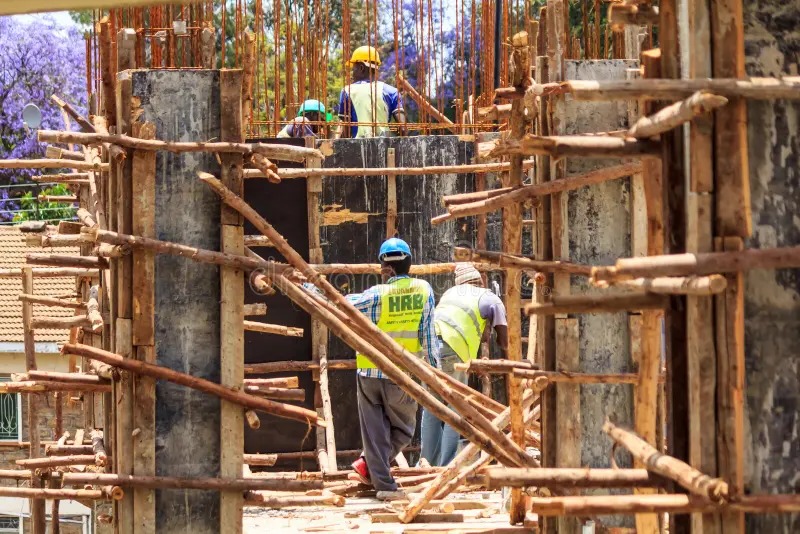
A construction site
Cutting corners on site safety does not save money — it destroys lives, reputations and balance sheets.
By David Nyaga
A construction site is a dynamic, high-stakes environment where raw materials, heavy machinery and human labour intersect. In this world of steel and concrete, safety cannot be relegated to an afterthought, a rushed toolbox talk or a checkbox on a compliance form. It is the absolute, non-negotiable bedrock of any successful project. When profit margins shrink and deadlines loom, the temptation to cut corners can be powerful — but treating site safety as expendable overhead is a severe miscalculation that destroys lives, reputations and bottom lines.
Recognising the red flags
A site heading towards disaster rarely collapses without warning. The red flags are usually hiding in plain sight, written into daily behaviours and the structural shortcuts that management tolerates. The most glaring indicator is a casual attitude towards Personal Protective Equipment. When hard hats are discarded in the midday heat or workers operate grinders without safety goggles, it signals a systemic failure in supervision. Compromised or uninspected scaffolding, exposed temporary electrical panels and chaotic housekeeping — debris left strewn across active walkways — are direct precursors to serious accidents.
Communication breakdowns are equally telling. A jobsite without clear, visible safety signage warning of deep excavations, overhead loads or high-voltage areas is a disaster waiting to happen. So too is the absence of a properly stocked, accessible first aid kit or trained first-aiders on site — both signs of a management team unprepared for the inevitable emergencies of heavy physical labour. When a site allows unregistered, unaccredited workers to handle high-risk tasks, it ceases to be a controlled engineering project and becomes a hazardous gamble.
The brutal outcomes of negligence
When these red flags are ignored, the consequences are predictably catastrophic, beginning with the irreversible human cost. A fall from height, a trench collapse or an electrocution leaves families devastated and communities shattered. Every worker has the fundamental right to return home in the same physical condition in which they arrived.
Beyond the moral imperative, the financial and operational fallout is immense. A serious incident halts construction immediately, triggering prolonged investigations that paralyse project timelines. Under Kenya’s Occupational Safety and Health Act 2007, failure to maintain safety standards carries severe consequences enforced by the Directorate of Occupational Safety and Health Services, including prohibition orders that stop all site activities, heavy fines and prosecution of contractors. The reputational damage sustained by a firm associated with a fatal site accident can permanently lock it out of future tenders.
The regulatory backbone: NCA and DOSHS
Regulatory bodies exist not to stifle construction but to safeguard it. In Kenya, safety compliance rests on two pillars: the National Construction Authority and the Directorate of Occupational Safety and Health Services. The NCA acts as the principal gatekeeper of construction quality, requiring every site to be registered and to display an official site board detailing approved professionals and project approvals. It strictly regulates the accreditation of site supervisors, safety officers and skilled tradespeople to ensure only competent personnel manage critical tasks.
The Directorate of Occupational Safety and Health Services, meanwhile, enforces the health and safety protocols defined by the Occupational Safety and Health Act 2007. These legal frameworks demand rigorous structural design, risk assessments and occupational safety protocols. Contractors who attempt to bypass mandatory compliance checks face not only immediate site closure but the risk of permanent deregistration — effectively ending their business.
Measures for a zero-incident site
Transforming a hazardous site into a zero-incident zone requires proactive, relentless intervention. It begins with comprehensive risk assessments conducted before a single excavator breaks ground. Site managers must identify potential hazards and implement firm engineering controls to mitigate them.
Communication and emergency preparedness must be institutionalised. Safety signage is not decorative — it must communicate hazards quickly and effectively, using simple language ideally in both English and Swahili, as well as universally recognised symbols. Signs must be positioned at eye level in high-traffic areas and made from weather-resistant materials to ensure lasting visibility.
First aid readiness is equally non-negotiable. Depending on workforce size, contractors must provide fully stocked occupational first aid kits in designated, clearly marked locations. A box of bandages is not sufficient. The law requires appointing and training adequate first-aiders, regularly auditing kit contents and maintaining meticulous records of all first aid incidents.
Finally, safety must be fiercely democratic. Every worker, regardless of rank, must be empowered with stop-work authority. If a labourer spots an unbraced trench or a frayed hoist cable, they must be able to halt operations without fear of retaliation.
Safety is not a competing priority against time and budget — it is the very framework that makes successful project delivery possible. A contractor who masters site safety through proper signage, emergency readiness and strict regulatory compliance demonstrates operational excellence and the ethical grounding to build responsibly. In the modern construction industry, a safe site is simply non-negotiable.
Similar Posts by The Mt Kenya Times:
- Mt Kenya Times ePAPER October 7, 2026
- Ruto signs KSh389B electric vehicle deal at State House
- Kenya mobilises KSh70B to fight Ebola as US and World Bank step in
- High Court freezes law school admissions over disputed entry rules
- Grade 11 textbooks head to schools as CBC transition gathers pace
About the Author