The opposition’s 2027 gameplan: Gachagua, Sifuna and Kalonzo begin the long game
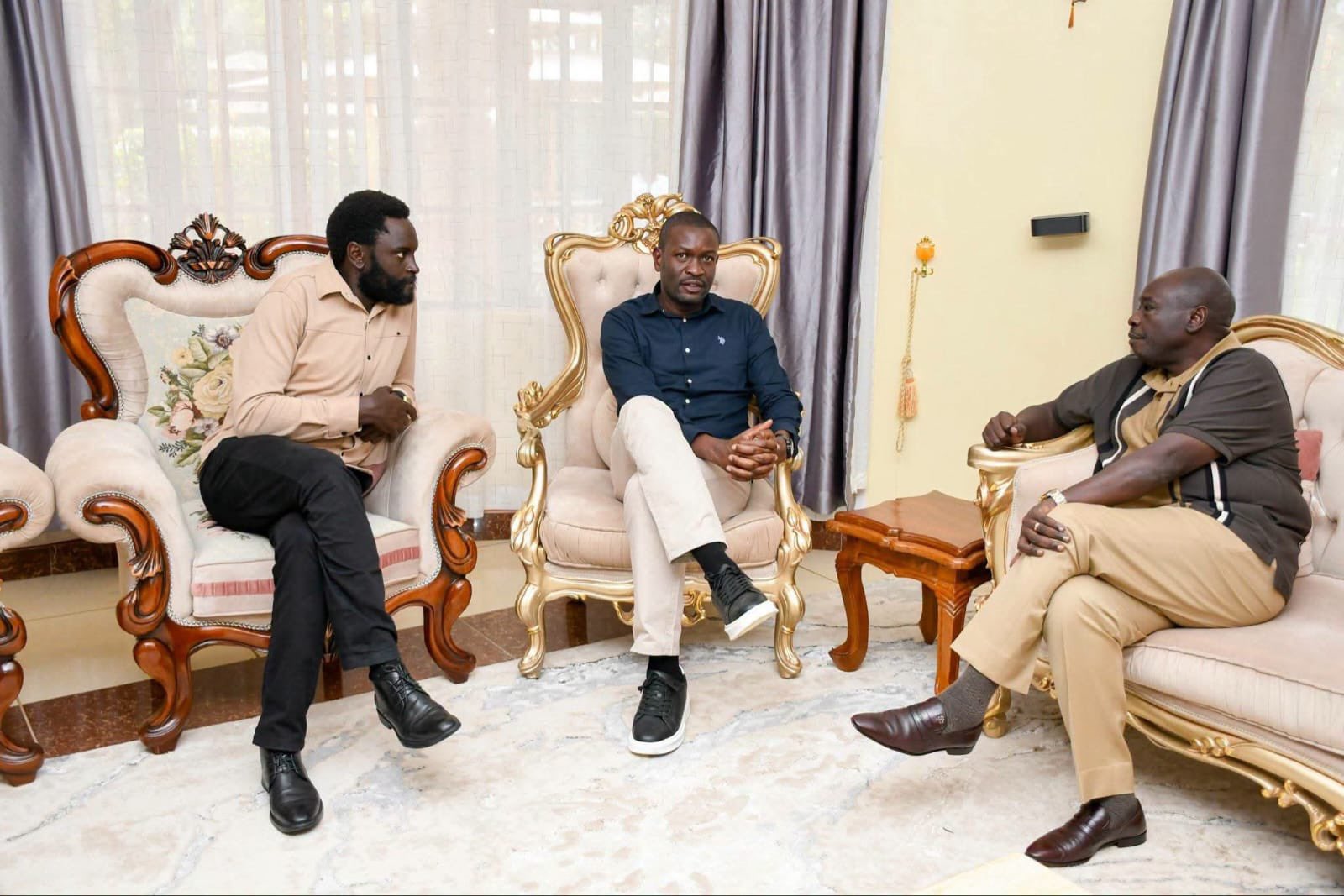
Senators John Methu, Edwin Sifuna and DCP leader Rigathi Gachagua
Three men, one ticket and a fractured coalition — Kenya’s opposition enters its most consequential political season since 2022
By David Kimani
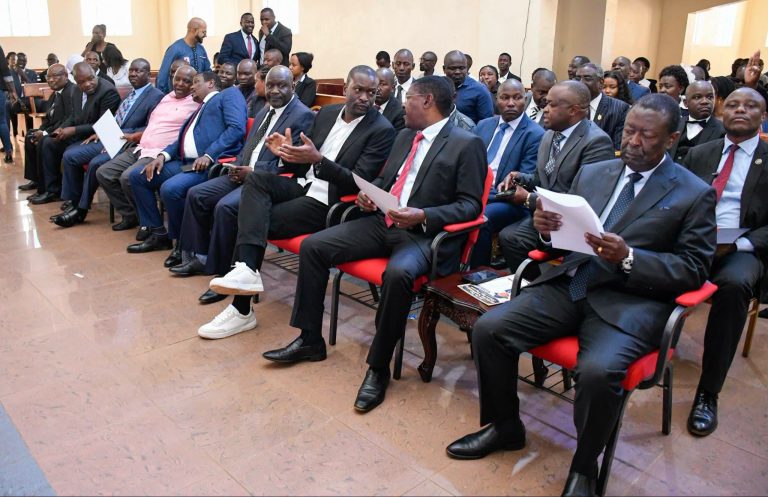
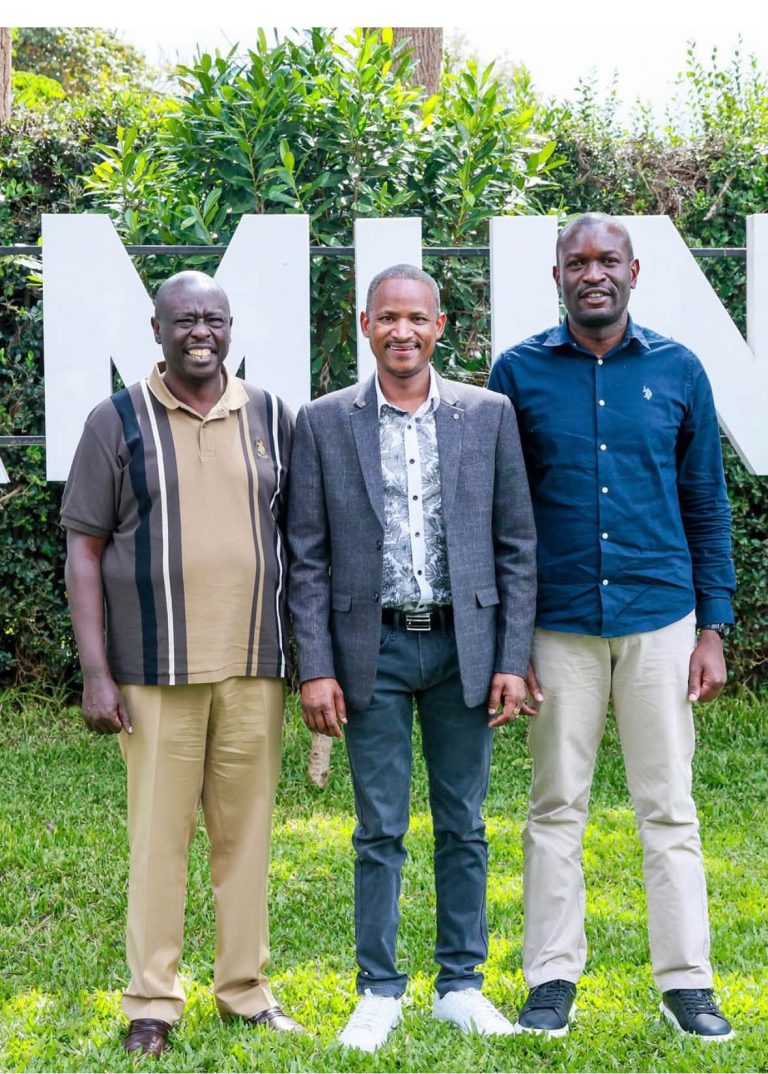
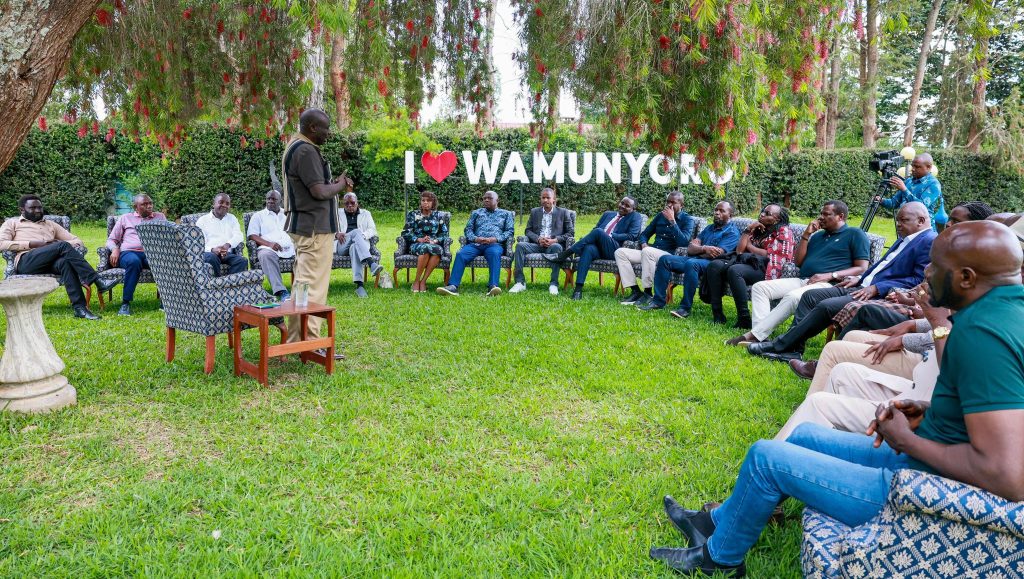
Former Deputy President Rigathi Gachagua hosted Linda Mwananchi movement leader Edwin Sifuna and allied opposition figures at his Wamunyoro residence in Nyeri yesterday, in talks that narrowed the United Opposition’s potential 2027 presidential flagbearer to three names: Gachagua, Sifuna and Wiper Patriotic Front leader Kalonzo Musyoka.
The Mashujaa Day meeting was the most substantive gathering of opposition principals since the broad anti-Ruto coalition began taking shape in the months following Gachagua’s impeachment last year. Those briefed on the deliberations say the two camps reached broad agreement that a single presidential candidate would be named next year, and that the process of arriving at that name would determine whether the opposition enters the August 2027 election as a credible alternative or fragments under the weight of competing ambitions and wounded pride.
The stakes could hardly be higher. Kenya’s opposition has been here before — energised, apparently united and speaking the language of inevitability — only to unravel in the final stretch when the personal calculations of individual leaders overwhelmed the collective interest. The question hanging over Wamunyoro yesterday was whether this gathering represented something genuinely different, or whether it was the opening act of a familiar drama whose ending the country already knows.
The political arithmetic facing the opposition is formidable. President William Ruto enters the campaign cycle with the institutional advantages of incumbency, a functioning government machinery and the residual loyalty of the Mount Kenya political establishment that his administration has worked systematically to consolidate. He also benefits from a fractured opposition that has spent much of the past year arguing about structure, sequence and seniority rather than building the grassroots presence that wins elections in Kenya’s 47 counties. Defeating him will require the kind of unified opposition that the country has rarely managed to sustain beyond the announcement stage.
Gachagua was direct about what he is attempting to build and, equally, about what he is attempting to shed. “Watu wengine wanatubandika majina — other people are labelling us — but we are not as complicated as people say,” he told those gathered at his Nyeri home. “Let nobody tell you we are tribal. We are not. Because when we supported President William Ruto, he was a Kalenjin. He was not Kamau and he was not Njoroge.” The statement was a calculated effort to reframe the DCP leader’s public image, which critics have sought to define along ethnic lines — a framing Gachagua argues is both inaccurate and, more importantly, politically disqualifying in a national election that no candidate can win from a regional base alone.
His willingness to be seen publicly with Sifuna is itself a significant signal. Last month, speaking during a visit to the United States, Gachagua floated a proposition that would have been unthinkable a year ago. “If we do our arithmetic and find that Sifuna is the one who will take this person home early, so be it. And there is no problem. Even I, Riggy G, can deputise Sifuna. What is wrong with that? Even Sifuna can deputise me,” he said. The statement was widely read as an acknowledgement that Gachagua, despite commanding the loudest voice in the nascent coalition, understands that his own presidential prospects may ultimately depend on geography and polling data rather than personal preference or political seniority. It was a rare moment of public flexibility from a politician not previously known for it.
Sifuna brings to the table a different kind of political capital, and one that the opposition genuinely needs. As the leader of Linda Mwananchi and the architect of The Equitable Party — currently undergoing rebranding — he has cultivated a following anchored in urban centres, the youth vote and constituencies that feel economically left behind under the current administration. His political communication style, direct and confrontational where Kalonzo is measured and Gachagua is combative, has found particular resonance among younger voters whose participation in 2027 could prove decisive. His base does not overlap neatly with Gachagua’s strongholds in the Mount Kenya region or Kalonzo’s established presence in Ukambani, which is precisely what makes a tripartite arrangement theoretically attractive — and practically complicated.
Kalonzo’s position adds a further, critical layer of complexity. The Wiper Patriotic Front leader recently unveiled The Ukombozi Alliance, a rebranding of the Azimio la Umoja One Kenya coalition, and is expected to visit Gachagua at Wamunyoro in the coming days for follow-up consultations. The DCP, however, has been deliberately non-committal about joining TUA, and the reasons are not difficult to read. Deputy DCP Party Leader Cleophas Malala set out his party’s position with unusual candour last month. “When they have united as the Ukombozi coalition, they can come and sit with us. Let us understand each other. DCP will not enter Azimio. They should all hold together, then us and Sifuna hold together, and then we talk,” he said. The subtext is clear: DCP intends to negotiate from a position of independence, not absorption.
That formulation reveals the structural tension at the heart of the opposition’s challenge. DCP and Linda Mwananchi appear to be constructing a parallel track — one designed to eventually negotiate with, rather than subordinate itself to, the Ukombozi Alliance. Whether Kalonzo, a three-time presidential candidate with his own legitimate claim to the flagbearer position, accepts that arrangement without a fight is far from certain. His own political survival depends on retaining the Ukambani bloc as a coherent bargaining unit, and that bloc’s loyalty is not unconditional. Should he feel marginalised by the Gachagua-Sifuna axis, the coalition calculus changes entirely.
Kenya’s electoral history offers sobering context for all of this. The 2022 election demonstrated that coalition arithmetic, however compelling on paper, can unravel rapidly when individual leaders sense that the collective arrangement disadvantages their personal prospects. Raila Odinga’s four attempts at the presidency — each accompanied by a broad coalition built on similar rhetoric of unity and change — produced three losses and one bitterly disputed result. The lesson the current opposition must absorb is that unity of convenience, assembled in the final months before an election, consistently underperforms unity of conviction built patiently over a sustained period with shared structures, shared resources and shared risk.
The August 2027 election also arrives against an economic backdrop that will shape the political environment as powerfully as any coalition arrangement. The cost of living, youth unemployment, taxation and the inconsistent delivery of public services are the issues that ordinary Kenyans talk about at matatus, market stalls and kitchen tables. The opposition’s task is not only to agree on a candidate but to develop a coherent, credible policy alternative that gives voters a reason to choose something new, not merely to reject what exists. On that front, the work has barely begun.
Gachagua’s Wamunyoro meeting was a beginning, not a conclusion. The negotiations that actually matter — over who carries the flag, who stands as running mate, which parties dissolve into which structures, how campaign resources are shared and which regional leaders receive which assurances — lie ahead. Those conversations will be harder, less collegial and considerably less amenable to the carefully managed public messaging that yesterday’s gathering produced.
Three men believe they can beat William Ruto. The country is watching to see which one of them blinks first — and whether the one left standing will be strong enough to finish the job.
Similar Posts by The Mt Kenya Times:
- Mt Kenya Times ePAPER October 22, 2026
- Ruto heads to Harare for COMESA summit on trade and regional security
- Mudavadi and Wetangula walk out as Sifuna speaks at Nabwera memorial
- Police accountability on trial as seven officers face probe over journalist’s arrest
- Learners, teachers graduate from thrive for good organic farming training
About the Author