The Mt Kenya Times
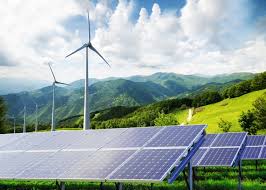
Intricate dynamics of renewable energy politics in Kenya, examining the interplay of local and global forces shaping the future of sustainability
By: Midmark Onsongo
Worth Noting:
- The allure of renewable energy is undeniable, offering a pathway to reduce greenhouse gas emissions and combat climate change. Ironically, this very promise often finds itself entangled in the thicket of political interests.
- In 2018, the Kenyan government unveiled its ambitious plan to achieve a 100% green energy target by 2030, a goal that sings sweetly to the ears of environmentalists. However, as the saying goes, the road to hell is paved with good intentions.
- The irony is palpable: while the government sets lofty targets, the reality is a web of bureaucracy, corruption, and competing interests that often undermines these aspirations.
In the grand tapestry of human endeavor, where ambition often takes the wheel, a peculiar dance unfolds in the realm of renewable energy. Picture this: a spirited chase, akin to the famed fable of the tortoise and the hare, where the hare—a metaphor for fossil fuels—dashes ahead, seemingly unstoppable, while the tortoise—symbolizing renewable energy—plods along steadily. Yet, as history reveals time and again, the race is not always to the swift. In Kenya, a land rich with sun-soaked days and windswept plains, the politics of renewable energy takes center stage, echoing with the whispers of opportunity, challenge, and perhaps, a bit of irony.
Kenya, the cradle of humanity, finds itself at a pivotal juncture. As of 2023, renewable energy sources contribute over 70% to the national electricity grid, showcasing the potential for a clean, sustainable future. This is no small feat in a world still tethered to the chains of fossil fuel dependency. Yet, beneath this shiny facade lies a labyrinth of political maneuvering, economic aspirations, and social considerations that shape the landscape of renewable energy in this East African nation. Here, we witness a paradox, where the promise of progress dances cheek-to-cheek with the specter of stagnation.
The allure of renewable energy is undeniable, offering a pathway to reduce greenhouse gas emissions and combat climate change. Ironically, this very promise often finds itself entangled in the thicket of political interests. In 2018, the Kenyan government unveiled its ambitious plan to achieve a 100% green energy target by 2030, a goal that sings sweetly to the ears of environmentalists. However, as the saying goes, the road to hell is paved with good intentions. The irony is palpable: while the government sets lofty targets, the reality is a web of bureaucracy, corruption, and competing interests that often undermines these aspirations.
Kenya’s political landscape is a fertile ground for allusions to power struggles and corruption. Just as the Nile flows through various terrains, shaping the land and its people, so too does the flow of political capital influence renewable energy projects. The Kenyan Energy Regulatory Commission (ERC), which oversees the sector, often finds itself caught in the crossfire between governmental ambitions and corporate interests. The tension is akin to a game of tug-of-war, where the stakes are not merely financial but profoundly tied to the livelihoods of millions. Can the tortoise, with its steadfast resolve, triumph over the hare’s reckless speed?
To understand the dynamics at play, one must consider the role of foreign investment in Kenya’s renewable energy sector. The country’s geothermal potential, especially in the East African Rift, beckons international players, offering a tantalizing prospect for profit. In 2022, Kenya became the first country in Africa to host a geothermal power plant, with the Olkaria IV facility generating over 140 megawatts. This success story, however, is shadowed by concerns over the environmental impact and the displacement of local communities. Here, we witness the antithesis of progress: while energy production increases, so too does social unrest, as communities grapple with the consequences of development. Moreover, the recent rise of private energy companies presents a double-edged sword. On one hand, they inject much-needed capital and innovation into the sector; on the other, their motives often remain shrouded in ambiguity. As the saying goes, “the road to success is always under construction,” but what happens when the construction leads to a cul-de-sac? The irony lies in the fact that these companies, purporting to champion sustainability, sometimes prioritize profit over genuine ecological stewardship. This juxtaposition raises a critical rhetorical question: are we truly committed to renewable energy, or merely enamored by its allure?
In this intricate dance of politics and energy, the Kenyan government must navigate the murky waters of policy-making. The Renewable Energy Act of 2006 aimed to facilitate investment in the sector, but implementation has been sluggish. The failure to streamline regulatory processes has left many potential projects stranded in a bureaucratic limbo, a bitter pill for investors hoping to capitalize on Kenya’s renewable energy potential. Here, we see an oxymoron: the promise of progress hindered by the weight of red tape. As the sun rises on the horizon of renewable energy, the notion of community participation becomes paramount. The local populace, often sidelined in the conversation, possesses invaluable insights that could enhance project efficacy. An anecdote comes to mind: in 2021, a community-led solar project in Kisumu not only provided electricity but also fostered a sense of ownership and pride among residents. This serves as a vivid reminder that true sustainability must embrace the voices of the people. As the old proverb goes, “it takes a village to raise a child,” but what about raising a nation? In light of these complexities, the ethical implications of renewable energy politics in Kenya cannot be overlooked. The ethos of sustainability demands accountability from all stakeholders involved. The Nairobi Declaration of 2019 reaffirmed Kenya’s commitment to the Paris Agreement, yet accountability remains a challenge. The metaphor of a tree falling in a forest resonates here: if a promise of sustainability is made without enforcement, does it truly matter? As citizens, we must engage in the dialogue, holding our leaders accountable for the promises they make. To navigate this multifaceted landscape, a shift in mindset is imperative. The path to renewable energy success lies not in competition but in collaboration. The spirit of synergy must prevail, as diverse stakeholders—from government to private sector to local communities—come together to forge a sustainable future. The chiasmus of this scenario is clear: together we rise, divided we fall. The message resonates profoundly: we must unite in our quest for sustainable energy, for the stakes are high, and the consequences of inaction are dire.
As we cast our gaze toward the future, one cannot ignore the overwhelming evidence pointing to the necessity of renewable energy. The Intergovernmental Panel on Climate Change (IPCC) has warned that we have only a decade to avert the catastrophic effects of climate change. In Kenya, where climate vulnerability looms large, the urgency to transition to renewable energy becomes a rallying cry. The hyperbole of the situation is striking: if we fail to act, we risk not just our environment but the very fabric of society itself. The politics of renewable energy in Kenya is a multifaceted tapestry woven with threads of ambition, contradiction, and opportunity. The race may be long, but as the tortoise reminds us, slow and steady wins the race against greed. It is imperative that we embrace a collective vision for a sustainable future, one where the voices of the people, the integrity of the environment, and the tenets of equity are at the forefront. As we stand at this crossroads, let us not forget the wisdom of the ancients: “The journey of a thousand miles begins with a single step.” Together, let us take that step toward a brighter, greener future, where the politics of renewable energy becomes a force for good, not just a tale of irony. The time to act is now, and the stakes could not be higher; let us rise to the challenge with courage, conviction, and collaboration, for the future of our planet and generations to come rests on our shoulders.
This article was scripted by;
MIDMARK ONSONGO, SGS
(Socio-Geographic Scholar)
Similar Posts by The Mt Kenya Times:
- Diaspora Times Global Oct 24 – Oct 30, 2026
- America’s baby bust: U.S. birth rate hits record low as women choose later motherhood
- Literary Outreach Incubation Program Instills The Culture From Book Adaption To Spoken Words
- Why starting school too early is failing our children
- Who defines Africa’s destiny? The western lens, African compliance and the struggle for intellectual sovereignty
About the Author