The Seven-Year Itch: A Critical Examination Of The Proposed Constitutional Amendments In Kenya
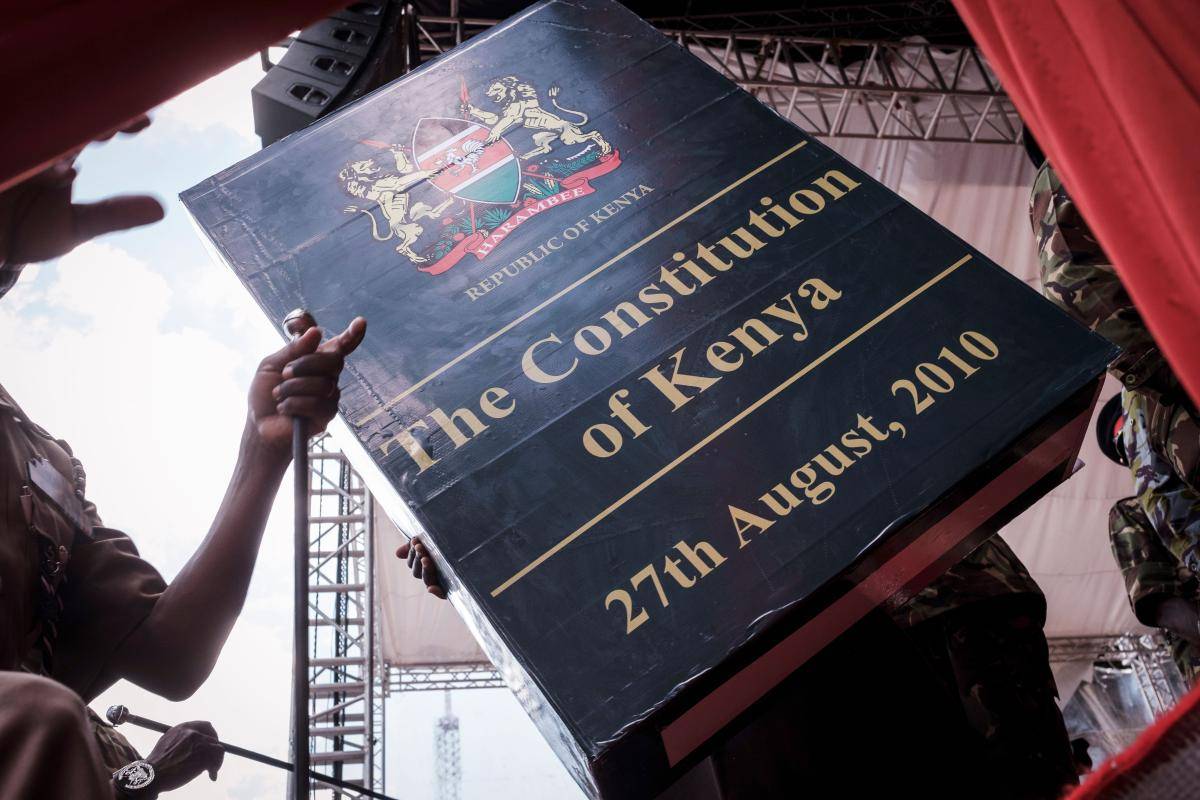
Constitution of Kenya 2010

By: James Kilonzo Bwire
The proposal by Nandi Senator Samson Cherargei to extend the terms of elected officials in Kenya from five to seven years has ignited a significant debate about governance, accountability, and the future of democracy in the country. This proposal, encapsulated in the Constitution of Kenya (Amendment) Bill, 2024, aims not only to lengthen presidential terms but also to establish the office of the Prime Minister. Such changes could fundamentally alter the political landscape and governance structures in Kenya.
At first glance, extending terms may seem beneficial for stability. Longer terms could allow leaders more time to implement their agendas without the disruption of frequent elections. However, this perspective overlooks a crucial aspect: accountability. In democracies, regular elections serve as a mechanism for citizens to hold their leaders accountable. Lengthening terms risks diminishing this accountability.
Moreover, the introduction of a Prime Ministerial role raises questions about the distribution of power within the executive branch. If the President appoints the Prime Minister from Parliament, will this position become merely a puppet, lacking real authority? The potential for political maneuvering and patronage cannot be ignored. Historically, such appointments can lead to conflicts of interest and weaken the checks and balances that are vital for democratic governance.
The proposed amendments also seek to enhance the Senate’s powers, allowing it to vet key state appointments such as Cabinet Secretaries and judges. While increasing parliamentary oversight is commendable, it raises concerns about whether this will lead to genuine checks and balances or simply create another layer of bureaucracy that complicates governance. Critics argue that this bill reflects a trend toward centralizing power rather than distributing it effectively.
The historical context is essential here; Kenyans have fought hard for democratic reforms and devolution of power since independence. Any move that appears to consolidate authority in fewer hands should be scrutinized carefully. The legacy of past regimes that abused power underscores the need for vigilance against any proposals that could undermine democratic principles.
Furthermore, extending terms for all elected officials could lead to complacency among leaders. With less frequent electoral pressure, there may be less incentive for innovation and responsiveness to constituents’ needs. This could exacerbate existing issues such as corruption and inefficiency within government. The urgency for reform often arises from electoral competition; without it, leaders may feel less compelled to prioritize public service.
The proposal comes at a time when public trust in political institutions is waning. Many Kenyans feel disillusioned with their leaders and skeptical about their motivations. Introducing such sweeping changes without broad public support risks further alienating citizens from their government. Effective governance relies on trust between citizens and their leaders; erosion of this trust can have dire consequences.
Additionally, discussions around constitutional amendments have historically been contentious in Kenya. The Building Bridges Initiative aimed at fostering unity after divisive elections faced significant backlash. Cherargei’s bill may similarly encounter resistance from those wary of perceived attempts to undermine democratic principles or manipulate electoral dynamics.
It’s also worth considering the implications for local governance. The proposed increase in revenue allocation to counties from 15% to 40% is a positive step toward enhancing devolution. However, if local leaders are granted longer terms without adequate oversight mechanisms, there is potential for misuse of resources and neglect of local needs. Devolution was intended to empower local governments; any amendments must ensure that this goal is not compromised.
The timing of this proposal raises eyebrows as well. With ongoing economic challenges and social unrest, many may view this as an attempt by politicians to secure their positions amidst instability rather than addressing pressing issues facing ordinary Kenyans. The current socio-economic climate demands urgent attention; extending political terms may divert focus from these critical challenges.
In conclusion, while there are arguments for extending terms and enhancing Senate powers, these must be weighed against potential risks to democracy and accountability. The proposed amendments should not only reflect political expediency but also prioritize the will and welfare of the Kenyan people.
As citizens prepare for discussions surrounding this bill, it is imperative that they engage critically with these proposals. A robust public discourse can help ensure that any changes made serve the interests of democracy rather than merely entrenching political power.
Ultimately, Kenya’s future hinges on its ability to balance stability with accountability—a challenge that requires vigilance from both leaders and citizens alike. As history has shown, democracy thrives when citizens remain engaged and informed about their governance structures and processes.
James Kilonzo Bwire is a Media and Communication practitioner.
Similar Posts by The Mt Kenya Times:
- Mt Kenya Times ePAPER October 19, 2026
- DCP takes healthcare pledge to Murang’a heartland
- Sifuna bets his political life on a presidential run
- Ruto turns Nandi rally into opposition assault as 2027 battle lines harden
- Kenya’s Ebola cases climb to eight as outbreak spreads beyond health workers
About the Author