The Story Linking CS Kuria To Cooking Oil Scandal Raises More Questions Than Answers
 The Mt Kenya Times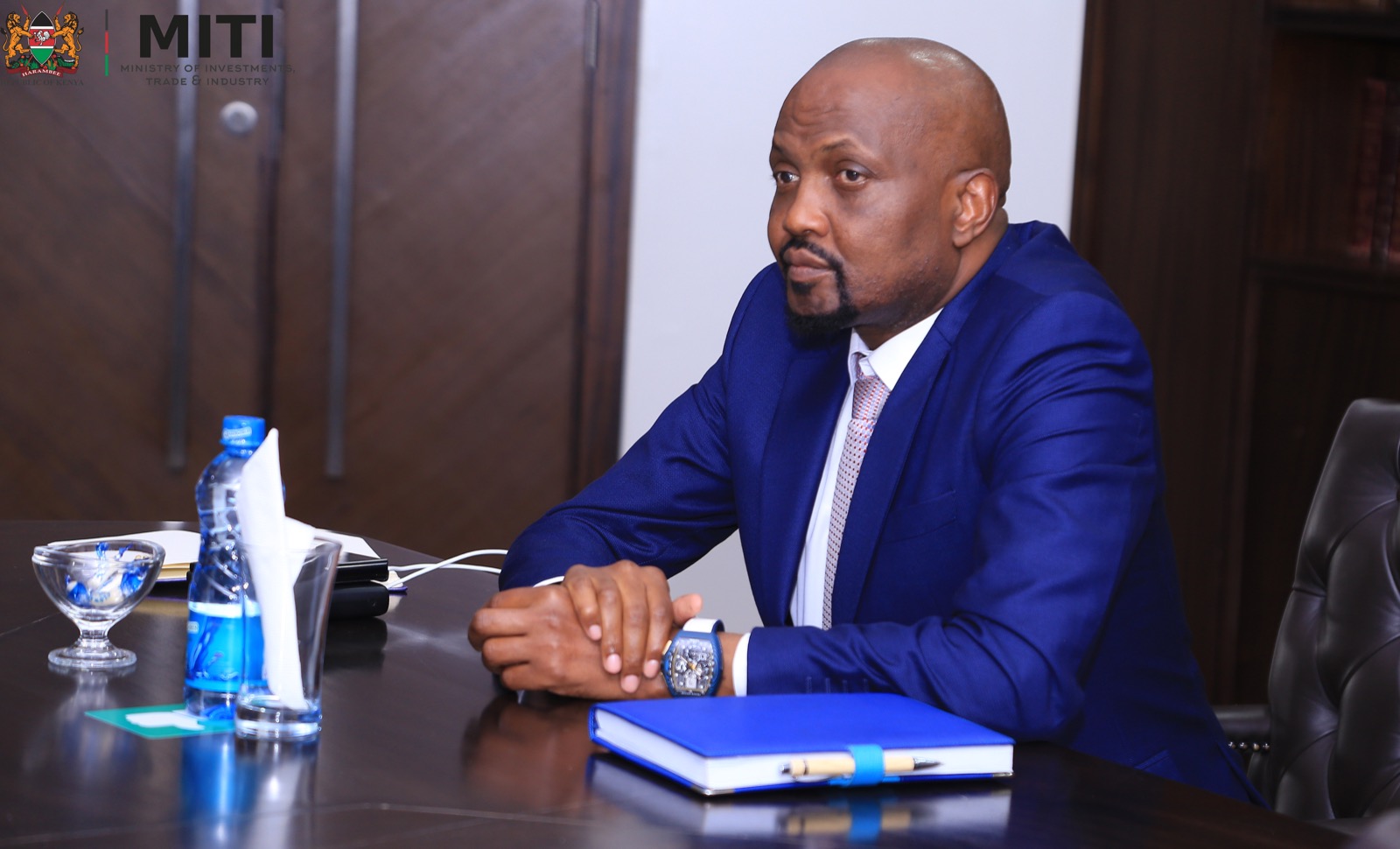
Moses Kuria
By: Joseph Mutua Ndonga
Worth Noting:
- Allow me to say this. The issue of conflict of interest had been the way of life in Kenya since independence.
- The efforts by the successive governments to enact laws to solve this matter have never borne any fruits. Reason? Most of the leaders, particularly those elected and their moneyed supporters, owned these businesses.
- This brings to fore the question. Can a state officer do business with government? Yes because there are no provisions in the constitution that bars him.
- We normally say former President Mwai Kibaki was best head of state. He steered this country to great heights of success and shared prosperity. However, he did not manage to address the issue of the conflict of interest.
I have been following with keen interest the story linking Trade and Investment Cabinet Secretary Moses Kuria to cooking oil scandal.
For starters, this story was brought to public attention by one of the mainstream media houses. According to the scribes, the expos’e was informed by the investigations which they carried out for some days.
In trying to justify the allegations, they cited two reasons. One, the due process was not followed in awarding of the tenders. The tenders were not subjected to competitive bidding.
Two, there was a conflict of interest. This is because some of the companies that clinched the tenders were owned by the state officers.
To me, the two reasons did not carry any weight. If this constituted tangible evidence, Kuria’s critics (read Omtata and co.) would have immediately moved to court. But they knew they stood no chance of winning and they would have ended up being embarrassed.
Alternatively, you would have expected them to present that evidence, to Ethic and Anti-Corruption Commission (EACC) and ask the commission to summon the CS to record a statement.
I repeat. They would not do this. Reason? These were raw allegations and hence contained no iota of truth.
Allow me to say this. The issue of conflict of interest had been the way of life in Kenya since independence.
The efforts by the successive governments to enact laws to solve this matter have never borne any fruits. Reason? Most of the leaders, particularly those elected and their moneyed supporters, owned these businesses.
This brings to fore the question. Can a state officer do business with government? Yes because there are no provisions in the constitution that bars him.
We normally say former President Mwai Kibaki was best head of state. He steered this country to great heights of success and shared prosperity. However, he did not manage to address the issue of the conflict of interest.
It is worth to note this. During the reign of Jomo Kenyatta presidency, a commission of inquiry headed by then Governor of Central Bank of Kenya (CBK) Ndegwa had recommended civil servants be barred. This recommendation was however ignored.
First forward to the reign of the Jubilee government, a number of state officers did business with government.
They included the president himself. Reports indicated that the companies owned by Kenyatta family had clinched lucrative tenders for supplying Cabros and Milk. As a result, the family minted billions of shillings.
A few days ago, Kuria honored an invitation to appear before the Senate committee to shed more light. He defended the decision by Kenya National Trading Cooperation (KNTC) to award tenders to 11 companies to import cooking oil, rice among other foodstuff. He said this was done in accordance with law. The provisions of Public Procurement Regulatory Authority (PPRA) were followed to the letter and spirit.
Through these interventions, the prices of essential commodaties have started to come down. For instance, the price of salad cooking oil has dropped from Sh400 to Sh200 per litre.
We are doing this for the good out our country. We promised our people during the campaigns that we will give priority to the fight against hunger.
As lawmakers, one would have expected the senators to know this. The law allows the government to procure goods and services directly or through competitive bidding.
Kuria’s explanation on why they opted to use the former was well understood.
He explained that different arms of the government are involved even when it comes to direct procurement. Nothing is done under the table. I challenge anyone with contrary opinion to bring it on the table.
Those who say the funds had been misappropriated have no evidence. That is why they have opted to engage me in political circus.
Joseph Mutua Ndonga is a writer and political analyst based in Nairobi
Similar Posts by The Mt Kenya Times:
- Pan-African leaders call for borderless Africa and urgent continental unity
- Pan-African leader calls for unity, youth empowerment and economic transformation
- Wantam or Tutam: The then what next?
- Gachagua escalates war with Ruto, questions his security
- Uhuru draws the line
About the Author