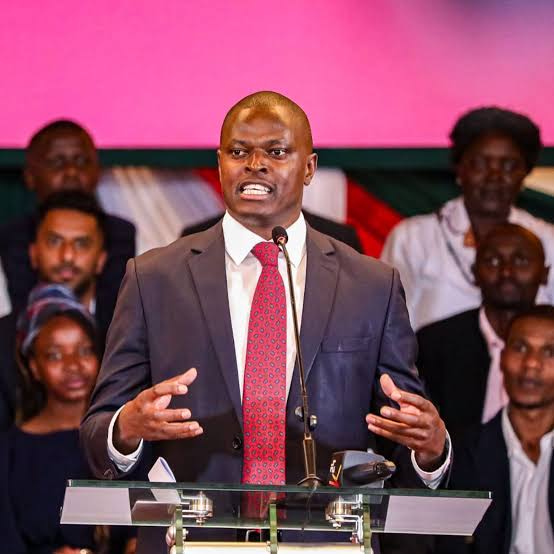
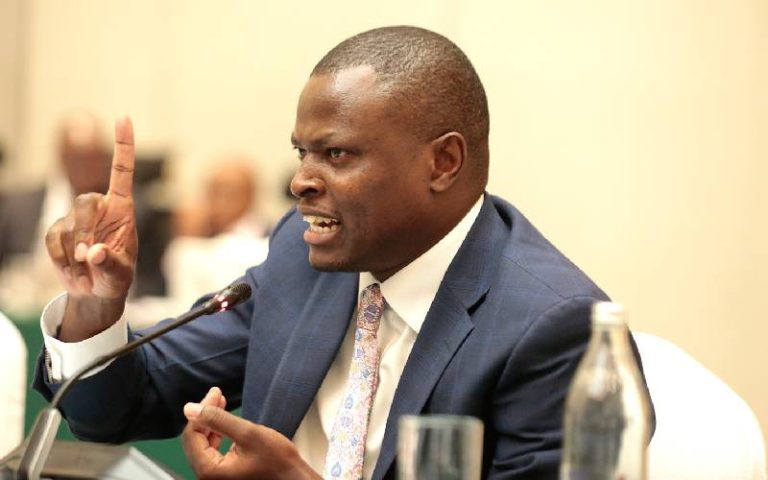
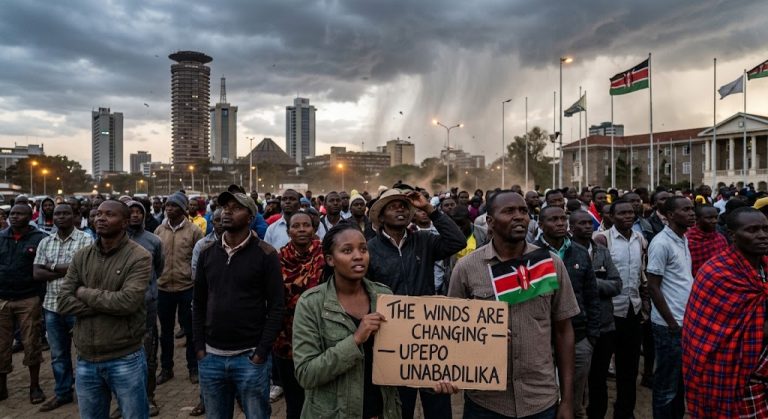
The Tawe Revolution: Natembeya’s Bold Challenge to Western Kenya’s Political Status Quo
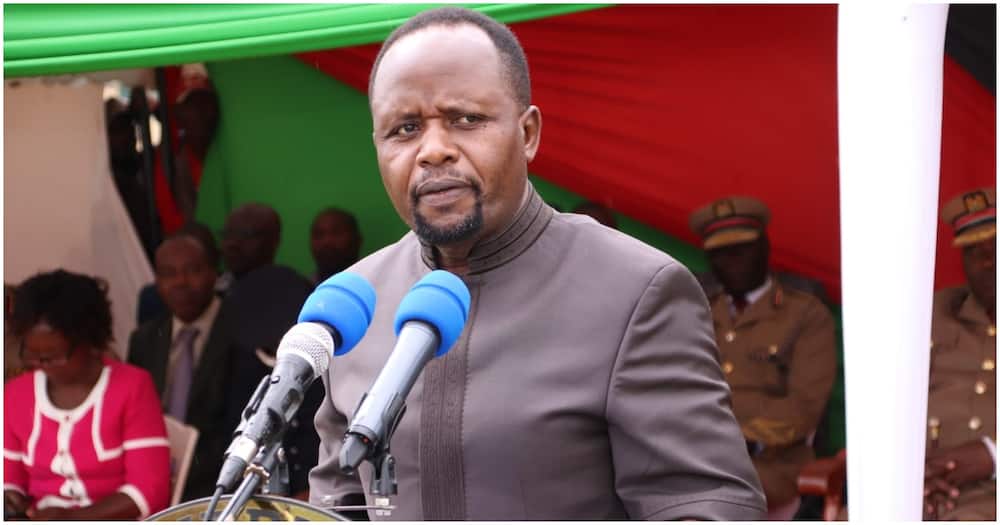
Governor George Natembeya

Governor George Natembeya’s “Tawe” movement has ignited a firestorm of debate in Western Kenya, challenging decades of entrenched political norms. His call for a new era of accountable leadership and community-focused development has resonated with many, while unsettling the established political order.
Natembeya’s background as a seasoned administrator, including his role as Rift Valley Regional Commissioner, lends credibility to his critique of the current leadership. His firsthand experience with the region’s challenges informs his vision for change, which emphasizes tangible results over political rhetoric. This practical approach is evident in his implementation of performance contracts for county officials in Trans Nzoia, aimed at improving service delivery and curbing corruption4.
The governor’s focus on food security, education, and healthcare improvements underscores his commitment to addressing the region’s pressing needs. Natembeya has been vocal about the need for change, stating, “The time has come to say ‘no’ firmly. No to poverty, no to poor leadership. We must be clear and decisive in our pursuit of a better life and better governance”7. He argues that lack of honesty is the root cause of struggles in the Western region and urges citizens to make the right decisions for a better future.
However, Natembeya’s confrontational style has drawn criticism. His public rebuke of established leaders like Moses Wetang’ula and Musalia Mudavadi has created rifts within the Luhya political elite8. Critics argue that his approach may further fragment the community rather than unite it. Some, like Kilifi North MP Owen Baya, have accused him of being power-hungry and using unethical means to dominate the region3.
Despite these criticisms, the “Tawe” movement’s call for rejecting negative aspects of political culture resonates with many who are tired of poverty and unfulfilled promises. Natembeya’s emphasis on honesty and integrity in leadership strikes a chord with those seeking genuine change. He has declared himself a self-made leader, stating, “I am a self-made leader. I have worked hard to where I’m today, and I will not worship or clap for leaders who call themselves kingpins and have done nothing for our community”3.
The governor’s critique extends to the proliferation of small political parties in the region, which he argues has weakened the Luhya community’s political strength. He calls for unity among Western leaders and the formation of a strong political vehicle to advance the community’s interests3. This call for unity, however, is complicated by the existing political landscape and the entrenched interests of established leaders.
As the movement gains traction, it faces the challenge of translating its ideals into concrete political action. The true test of Natembeya’s leadership will be his ability to build coalitions, implement his vision, and deliver measurable improvements to the lives of Western Kenya’s residents. His initiatives in Trans Nzoia, such as the introduction of cashless payment systems for revenue collection and the setting of ambitious revenue targets, demonstrate his commitment to tangible results4.
The “Tawe” movement represents a critical juncture for Western Kenya’s political future. It has the potential to transform not only Trans Nzoia but the entire region. As the Leader of Minority at the Trans Nzoia County Assembly, Eric Wafula, noted, “We need leaders who are willing to stand up for what is right and not just follow the status quo. This is a call for change”7.
However, the path forward is not without obstacles. The clash between Natembeya’s supporters and those of Wetang’ula during a funeral in Goseta, Trans Nzoia County, highlights the tensions that exist within the region’s political landscape8. These incidents underscore the challenges Natembeya faces in uniting the community while challenging the established order.
The governor’s vision extends beyond mere political reorganization. He sees the “Tawe” movement as a catalyst for economic empowerment and social progress. Natembeya argues that the Luhya community has been held back by poverty and irresponsible leadership for too long, and he criticizes leaders who use their political parties to trade the community’s voting power for personal gain rather than working towards the betterment of the people.
As the movement continues to gain momentum, it will be interesting to see how it shapes the political landscape of Western Kenya and whether it can truly bring about the change it promises. The success of the “Tawe” movement could have far-reaching implications for Kenyan politics as a whole, potentially serving as a model for other regions seeking to challenge entrenched political systems.
In conclusion, while Natembeya’s methods may be divisive, his message is clear: the Luhya community needs a new political paradigm. Whether he succeeds in bringing about this change remains to be seen, but his willingness to challenge the established order is a positive step towards a more dynamic and responsive political landscape in Western Kenya. As Natembeya himself stated, “Even if you suffer today, let the generation that comes after us not suffer”7. This sentiment encapsulates the aspirational nature of the “Tawe” movement and its potential to reshape the future of Western Kenya’s politics.
James Kilonzo Bwire is a Media and Communication Practitioner.
Similar Posts by The Mt Kenya Times:
- Mt Kenya Times ePAPER October 5, 2026
- Sharp school wins national award for career and workforce readiness
- Government takes diaspora jobs drive to the grassroots
- The stolen hands: How we killed the craftsman to create a clerk
- After nearly 60 years in darkness, Nyabiendi awaits the light
About the Author