The Mt Kenya Times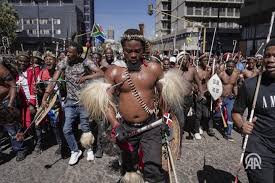
Xenophobia epidemic
By: Norman Mwale [The PenPusher]
ln the streets of Johannesburg, fear stalks the shadows. For many foreigners, South Africa’s promise of opportunity has turned into a nightmare of violence and hatred. Xenophobic attacks are shattering lives, tearing communities apart, and threatening the nation’s fragile social fabric. As the world watches, one question echoes: will South Africa succumb to the poison of xenophobia, or can it rise above and reclaim its place as a beacon of hope in Africa?
Areas such as Addo, Valencia, and Alexandra have been hotspots for xenophobic violence, with reports of mobs attacking immigrant families, looting, and burning homes. In Addo, four people were killed, dozens injured, and hundreds displaced, echoing the devastating Alexandra Riots of 2008, which claimed 62 lives and displaced tens of thousands. The vigilante group Operation Dudula has also been targeting migrant-owned businesses and homes, perpetuating a culture of fear and intimidation.
The reasons behind this violence are complex, but experts point to socio-economic struggles, unemployment, and inequality as contributing factors. As President Cyril Ramaphosa noted, “We must not allow concerns over illegal migration to breed prejudices and hatred”. However, some argue that government responses have been inadequate, and that anti-migrant discourse from officials has fuelled the violence.
Foreign governments have taken notice. Kenya and Nigeria have warned their citizens about the risks of xenophobic attacks in South Africa, while Ghana has summoned the South African envoy to protest harassment and intimidation. “The attacks are a stark reminder of the need for regional cooperation and solidarity,” said Ghana’s Foreign Ministry.
The Zimbabwean government responded to the attacks by issuing an urgent advisory to its citizens, urging them to stay indoors, limit unplanned movement, and keep essential documents with them at all times. The government, through the Zimbabwean Embassy in South Africa, condemned the attacks and expressed commitment to ensuring the safety, dignity, and well-being of its nationals.
Ordinary people are also speaking out. “I’m scared to walk the streets, I fear for my safety and my family’s well-being. We’ve seen people shot, burnt alive with tyres, and stabbed to death with knives. It’s like we’re killing each other like animals. We just want to live and work in peace,” said Mistopher Ncube, a Zimbabwean citizen in Cape Town. Thembi Patel, a South African resident in Johannesburg, echoed this sentiment: “It’s heartbreaking to see people attacking innocent foreigners. We need to learn to live together and support each other”.
Xenophobia has serious consequences, not only for the victims but also for South Africa’s reputation and regional relations. As the African Union Commission Chairperson Moussa Faki Mahamat stated, “Xenophobia has no place in Africa”. The country’s reputation as a xenophobic nation deters foreign investors, tourists, and businesses, ultimately harming the economy. Xenophobic attacks have led to warnings from countries like Kenya and Nigeria, with some even recalling their diplomats from Pretoria.
The economic fallout is significant. Xenophobic violence discourages foreign direct investment, damaging South Africa’s economic development. The tourism sector, a vital contributor to the economy, is also threatened as violent crime, including xenophobic attacks, deters tourists. Furthermore, xenophobic violence disrupts trade and commerce, affecting businesses and entrepreneurs.
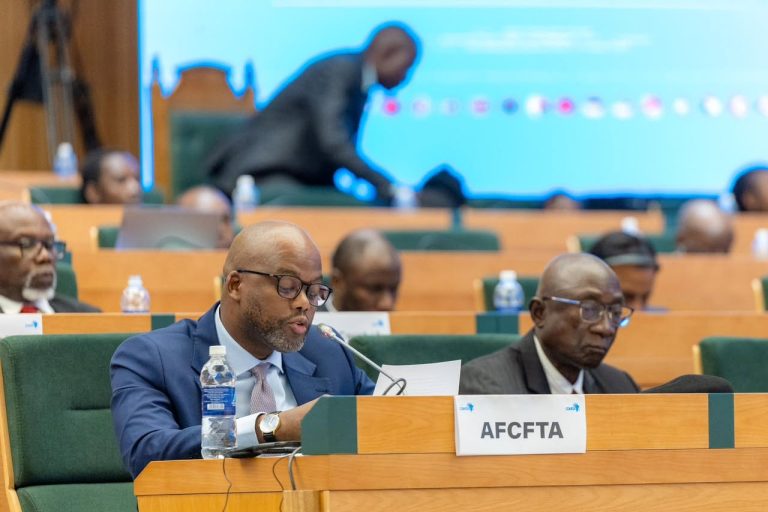
The African Continental Free Trade Area (AfCFTA) initiative, aimed at creating a single market for goods and services across Africa, is also threatened by xenophobia. The attacks undermine trust and cooperation among African nations, hindering regional integration and economic growth.
The South African government has condemned the attacks, with President Ramaphosa promising to crack down on perpetrators. The South African National Defence Force (SANDF) has been deployed to affected areas. African governments and human rights organisations have also condemned the violence, calling for diplomatic efforts to address the issue. To address xenophobia, experts recommend implementing citizen diplomacy initiatives, cultural exchange programmes, and economic cooperation to foster understanding and eliminate stereotypes.
Measures are being taken to prevent future incidents, including increased security presence in hotspots, community outreach programmes, and diplomatic efforts to promote regional cooperation and understanding. The Zimbabwean government is working with international partners to address the issue, and the South African government has promised to investigate and prosecute those responsible for the attacks.
Similar Posts by The Mt Kenya Times:
- Mt Kenya Times ePAPER October 24-25, 2026
- Muturi calls on IEBC to keep election technology tender clean and on schedule
- Ruto meets UAE minister in push to deepen trade ties
- Gideon Moi breaks silence on Ruto fallout, cites broken promises
- The doctor who refused to abandon a sick Uganda
About the Author