Tourism bonanza for the Middle East: FOUR DAYS WHEN THE WORLD CAME UNDER ONE ROOF IN DUBAI
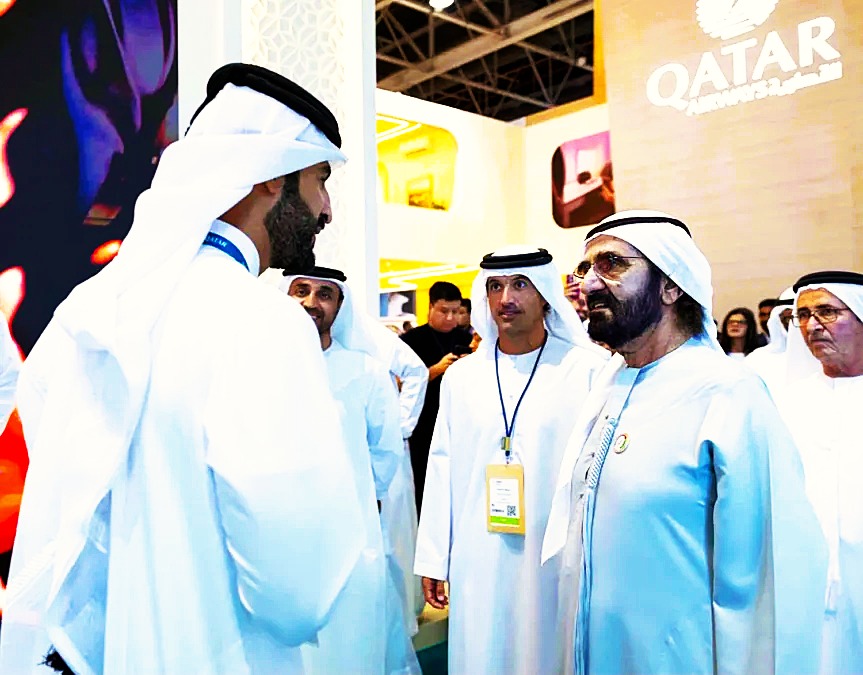
His Highness Sheikh Mohammed bin Rashid Al Maktoum, Vice President and Prime Minister of the UAE and Ruler of Dubai (right), tours Arabian Travel Market at Dubai World Trade Centre on the opening day.
By SHAMLAL PURI, Senior Editor, UK & Associate Publisher, reporting from Dubai
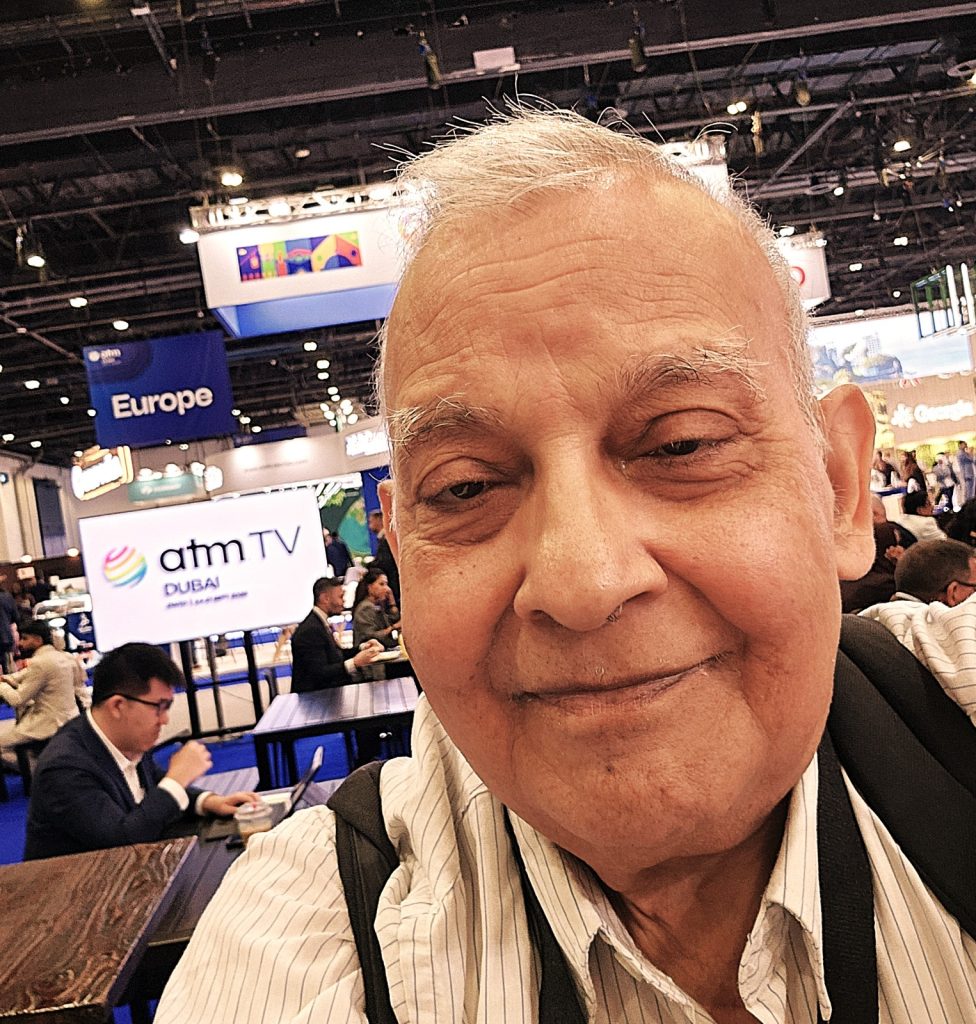
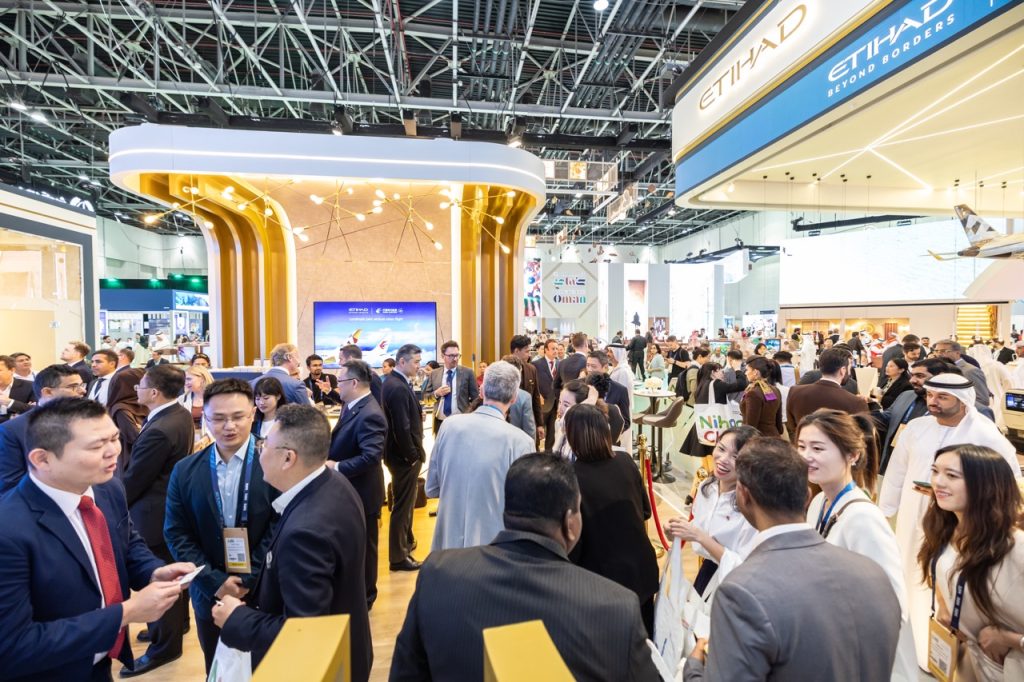
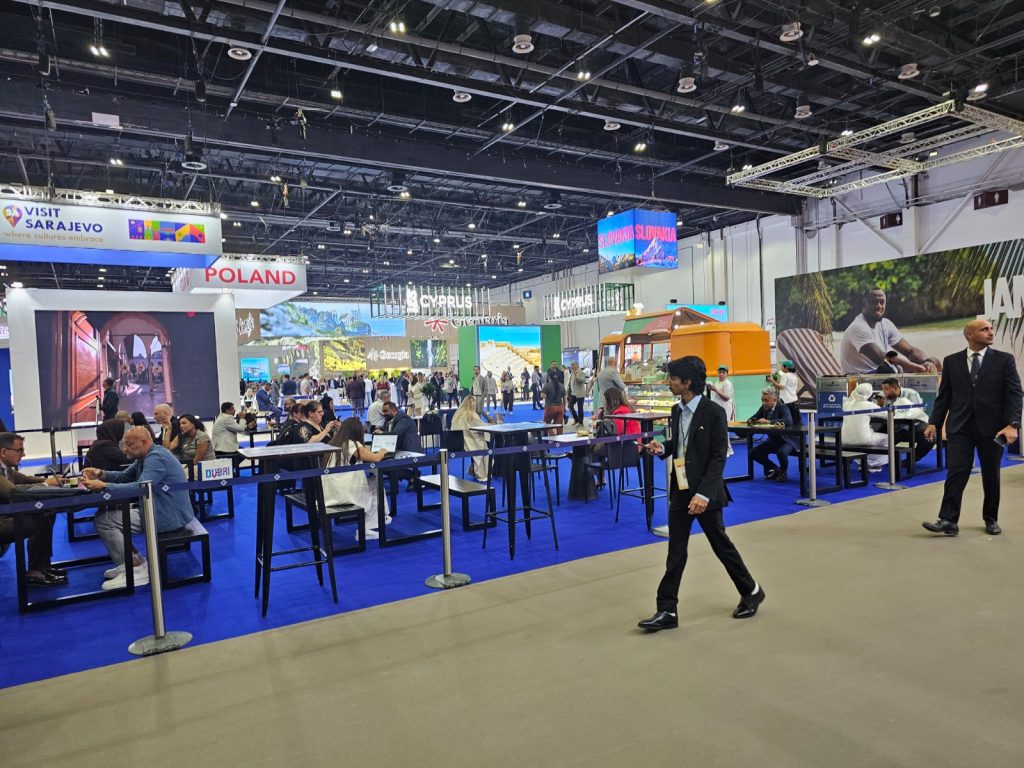
Dubai, the Shangri-La of the Middle East, gave a spectacular welcome to thousands of participants who had descended on the city’s prestigious Dubai World Trade Centre for this year’s four-day Arabian Travel Market (ATM) 2026.
The international travel and tourism community turned out in force, with decision-makers from the UAE, India, Saudi Arabia, Pakistan, the United Kingdom, Egypt, Kuwait, Oman, Jordan, Türkiye, Bahrain, South Africa, Morocco, Qatar, the United States and China convening at the beautiful Dubai World Trade Centre, the venue for major international gatherings, recently.
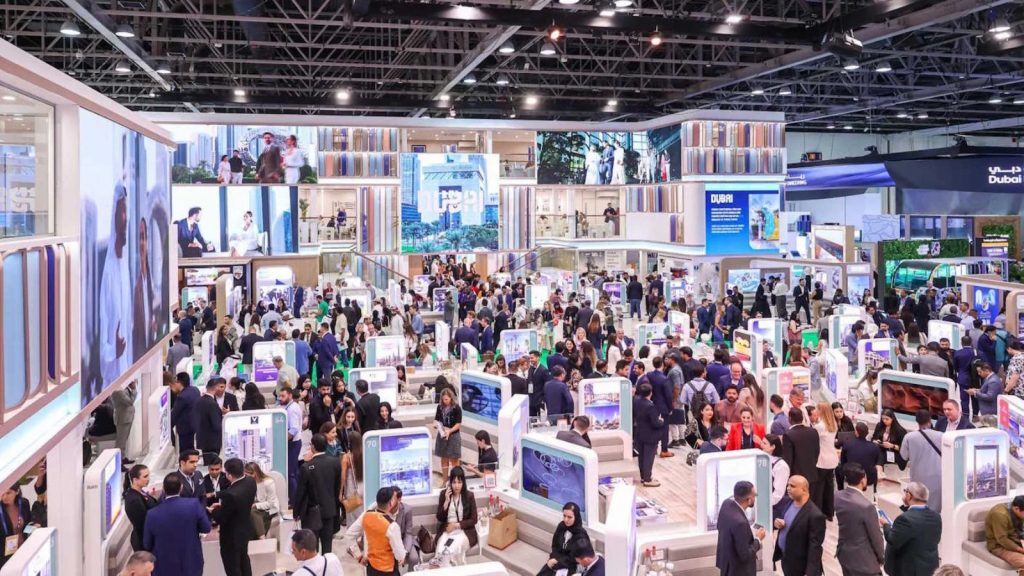
The 33rd edition of the annual showpiece of the Middle Eastern travel industry was a crowd-puller with more than 80,000 attendees.
They defied all the odds to attend the event, as this part of the Middle East has been overshadowed by war clouds from the ongoing conflict between Iran and the US.
His Highness Sheikh Mohammed bin Rashid Al Maktoum, Vice President and Prime Minister of the UAE and Ruler of Dubai, visited Arabian Travel Market 2026 (ATM) as the four-day global travel event opened its doors.
During his visit, he highlighted Dubai’s tourism performance, noting that the emirate welcomed around 7 million tourists in the first eight months of 2026 and recorded 21 million hotel room bookings during the same period.
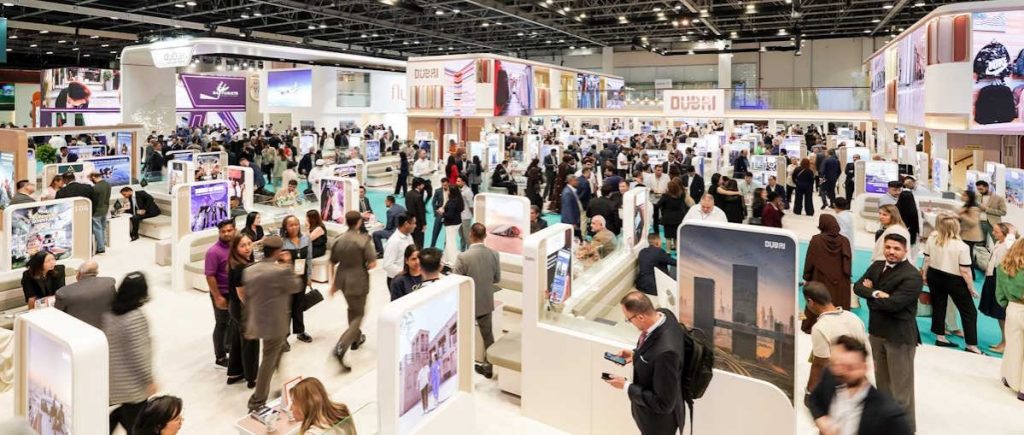
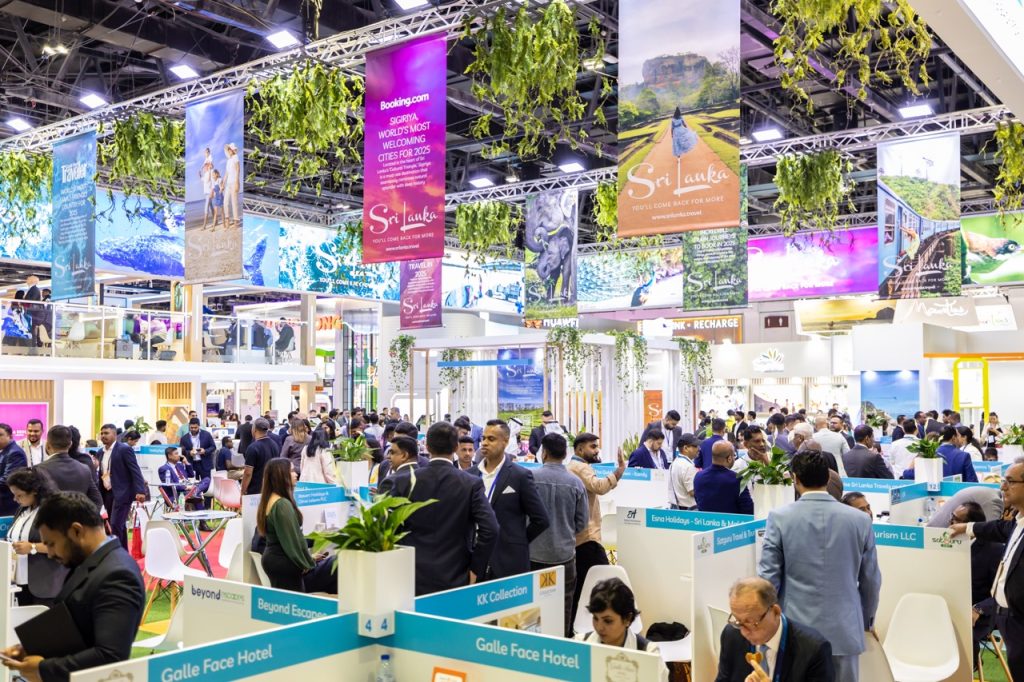
This year’s ATM drew regional and international markets to Dubai, with more than 55 destination stands and a strong cross-section of the travel and tourism industry, including tourism authorities, airlines and transport providers, hospitality brands, and technology companies throughout the four-day event.
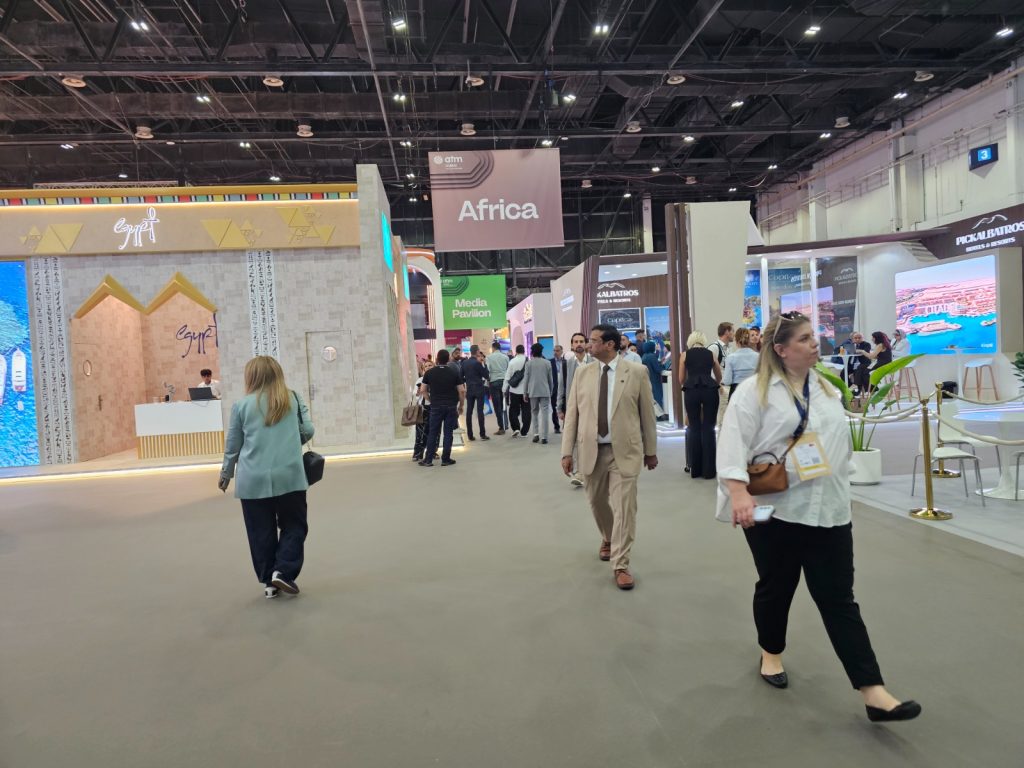
1,420 exhibitors came from companies operating worldwide, including Africa, Asia, Australia, the Caribbean, Central America, Europe, and the Americas. The Middle East had 621 companies of all sizes, some sharing their stands with other firms.
Representation from C-suite executives and procurement professionals ensured the far-reaching makeup of this year’s show reflected the high levels of industry confidence but also the event’s role as a convening force for the global travel and tourism community.
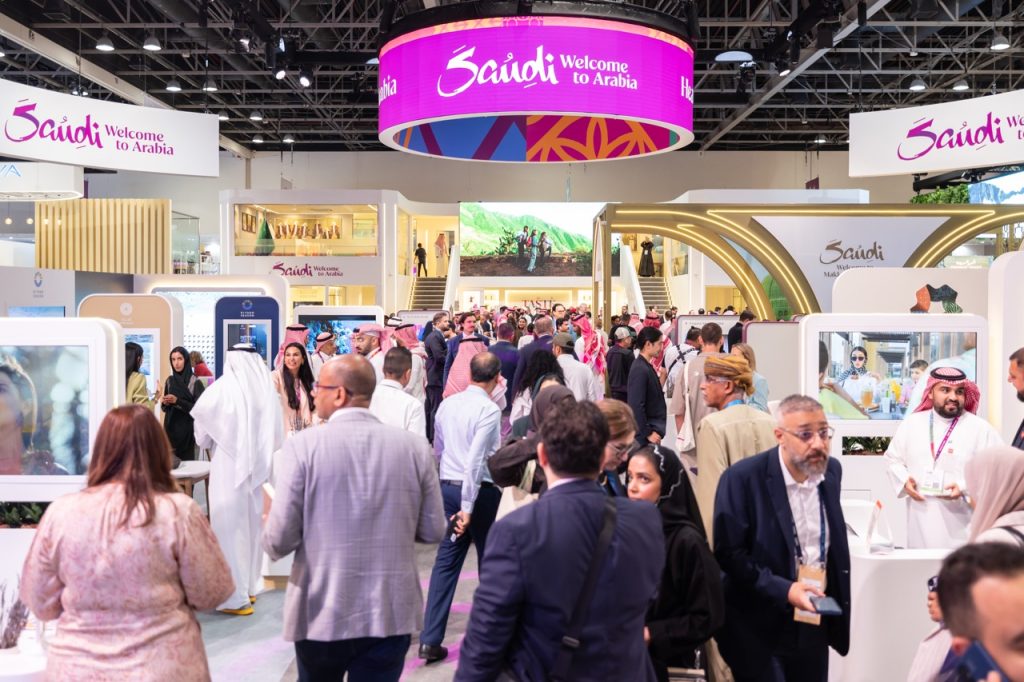
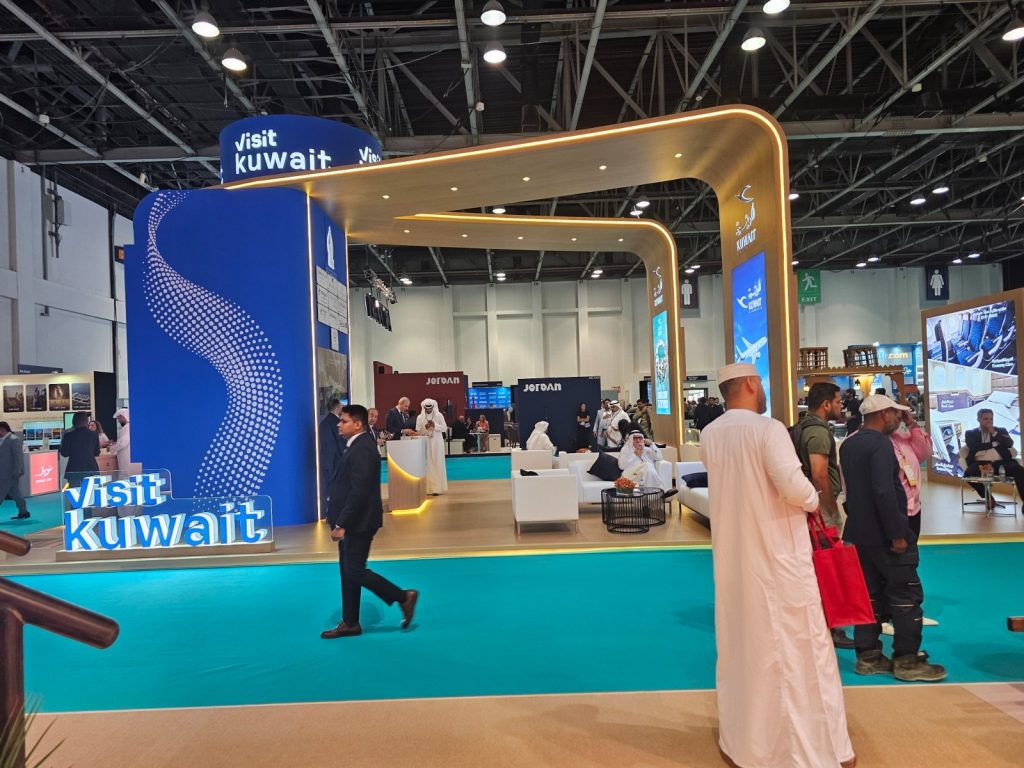
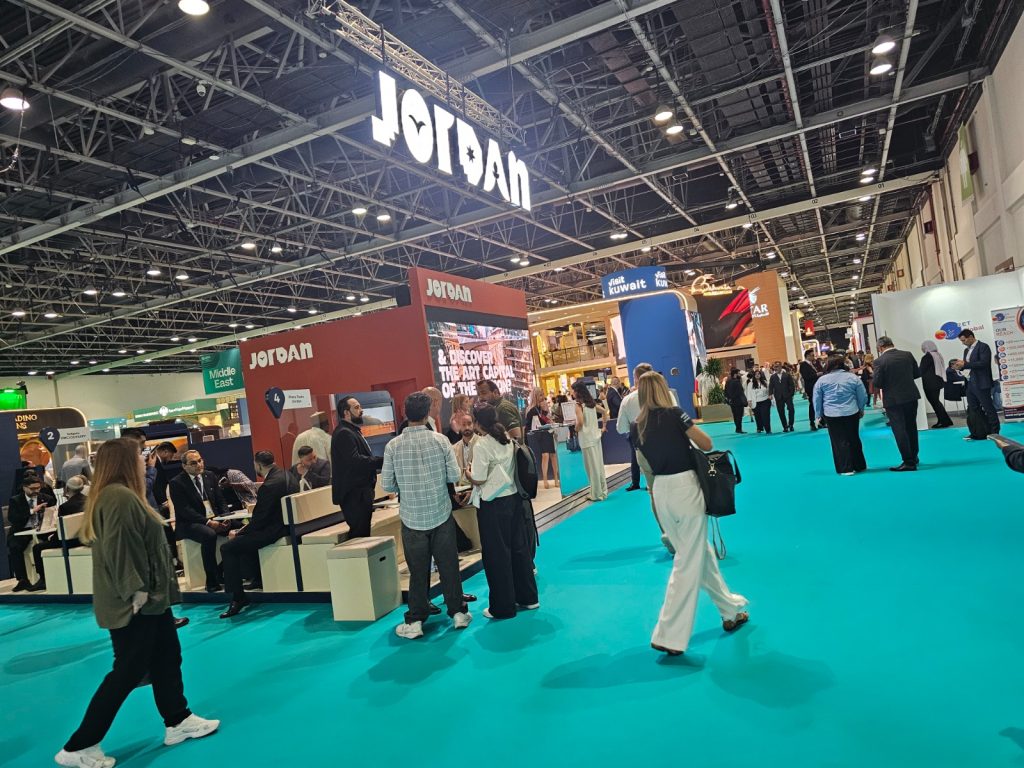
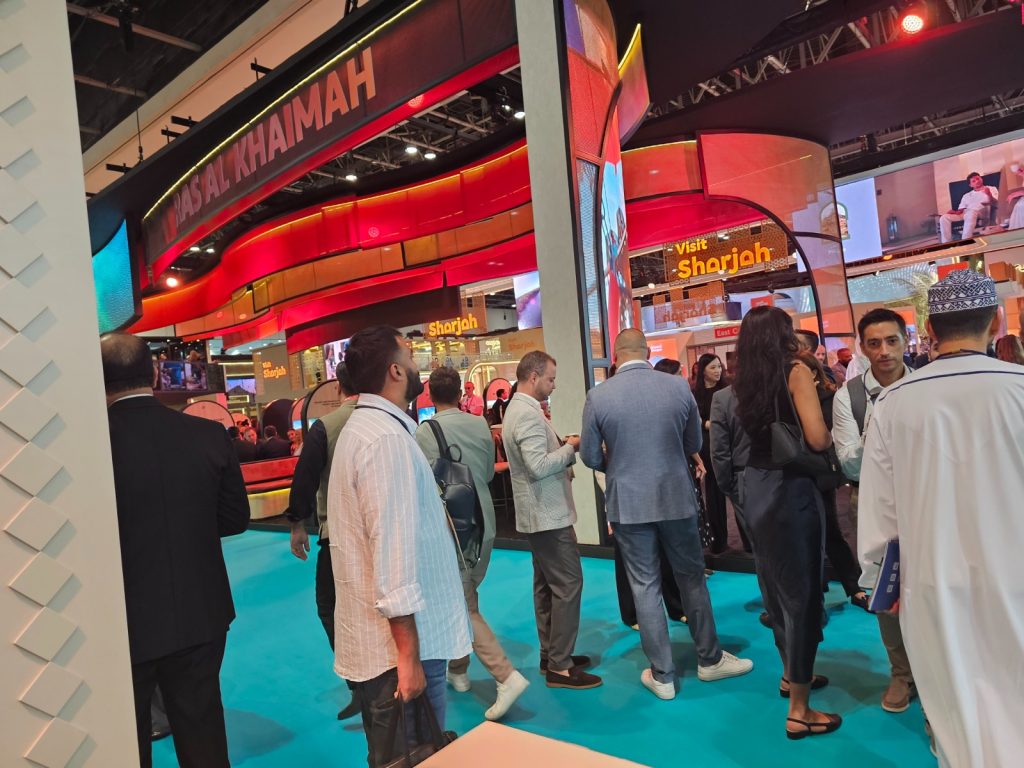
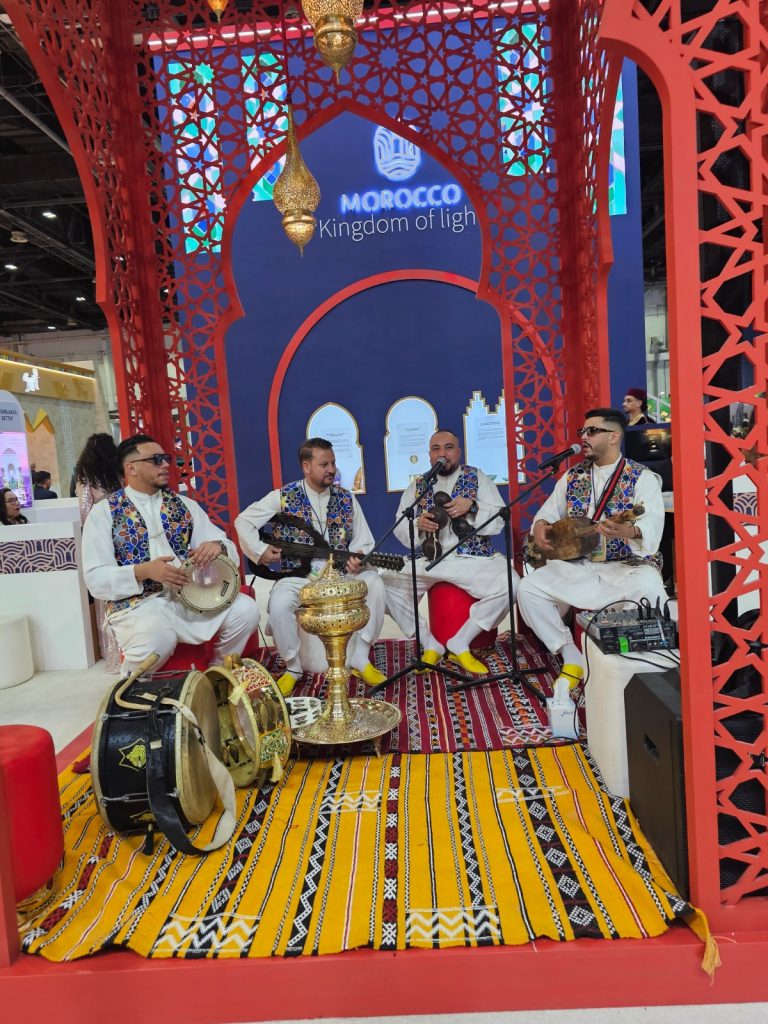
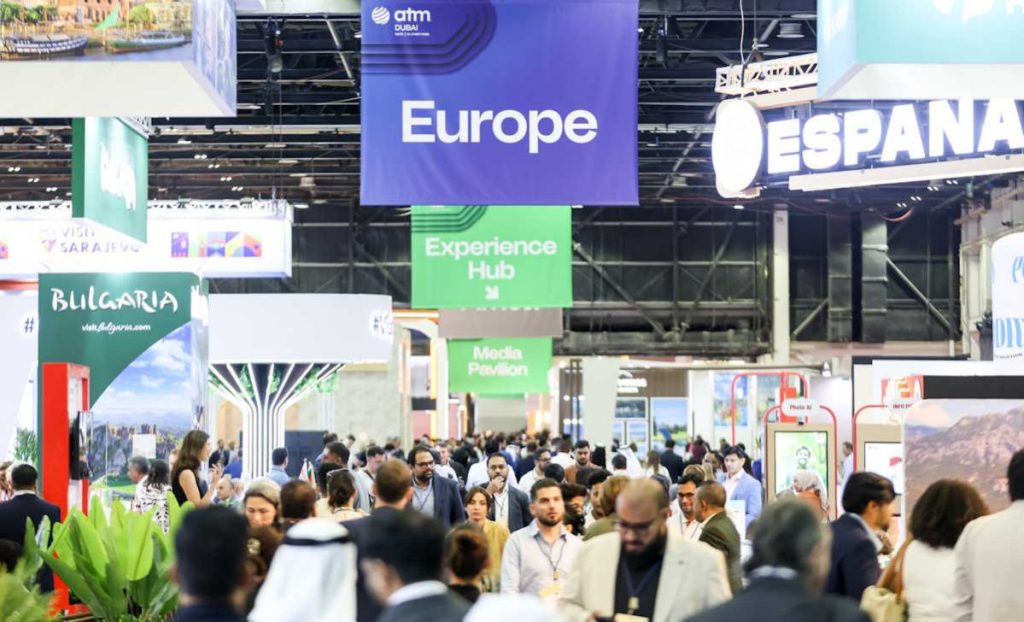
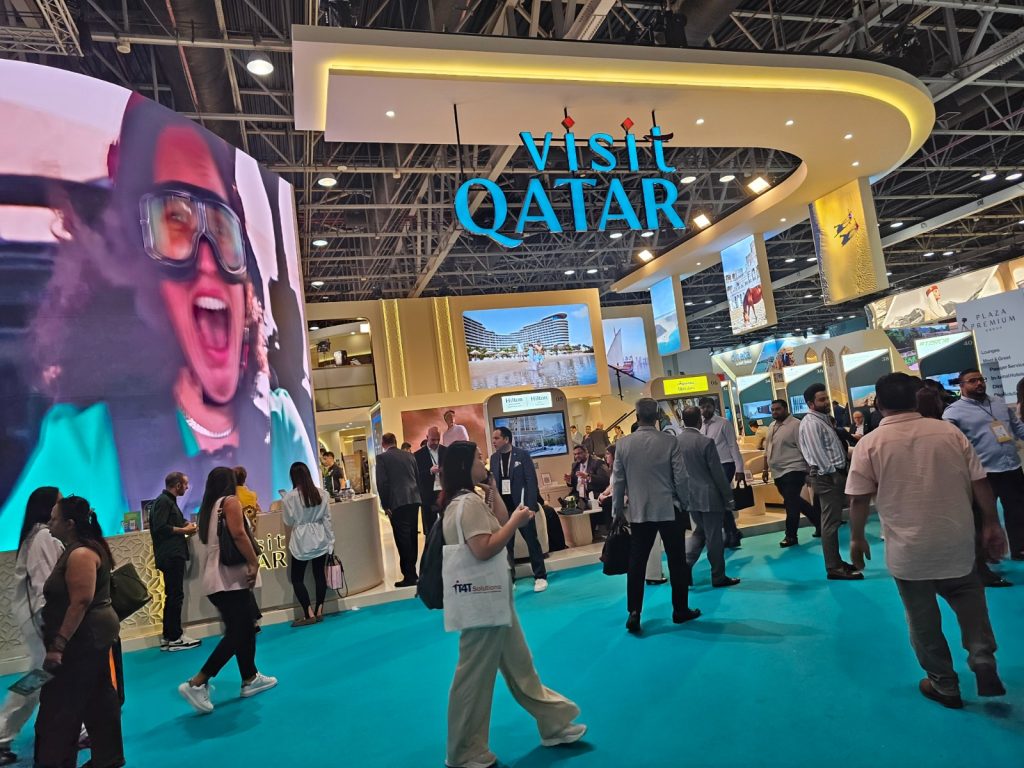
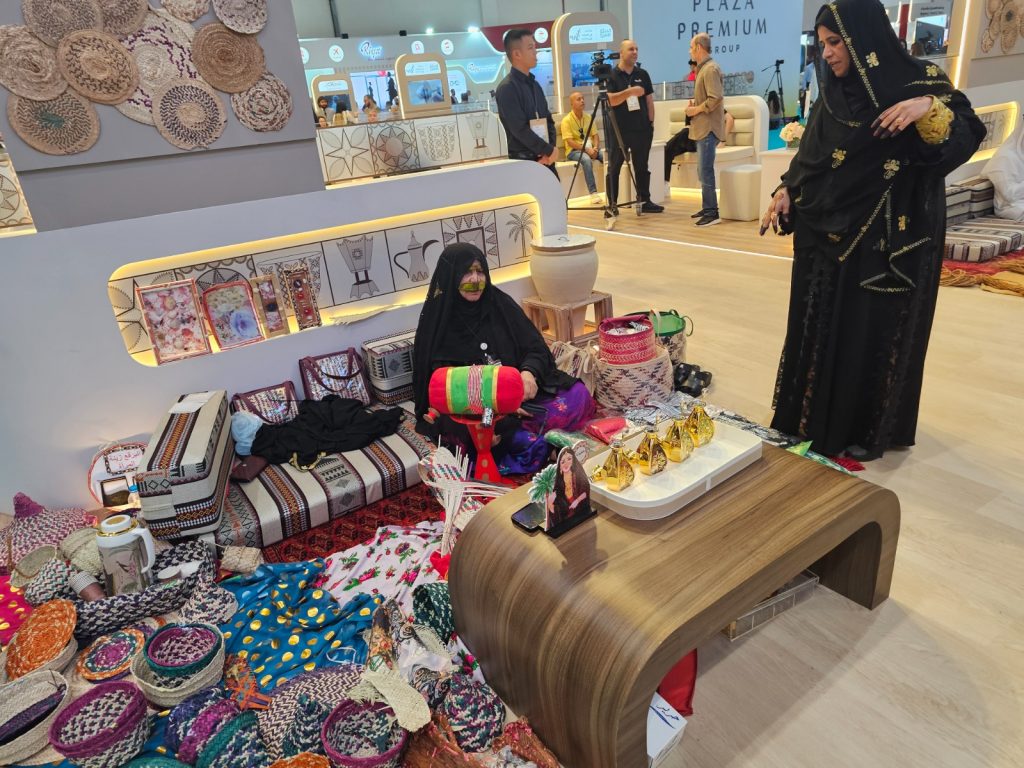
As the crowds mingled to view the amazing array of eye-catching stands in the Sheikh Saeed Halls, Trade Centre Arena and various exhibition halls displaying the best from each country, they were showered with cultural entertainment, song and music.
Issam Kazim, CEO of Dubai Corporation for Tourism and Commerce Marketing (DCTCM), emphasised the importance of communicating this reality of successes. As the industry moves through this period, maintaining dialogue and connection will be critical to what comes next, with clear communication and aligned messaging helping to sustain confidence:
“Dubai is safe and stable. Daily life continues, with public services, infrastructure and tourism facilities fully operational,” he said. “Hotels, restaurants, retail and transportation are open. While there have been some flight disruptions, operations have been scaling back up, spearheaded by Emirates and flydubai. We’re confident in a sound and full recovery. Our historic model of openness has shaped our resilience and will continue to attract first-time and repeat visitors from around the world.”
The Middle East has consistently demonstrated its ability to respond to disruption and maintain momentum. Arabian Travel Market, the region’s leading international travel event for more than three decades, remains part of that journey, supporting the industry as it moves forward and providing a place to reconnect when the time is right.
The path to recovery is underpinned by travel’s proven track record of resilience, demonstrated most recently in the sector’s astonishing post-pandemic rebound.
According to the World Travel & Tourism Council, travel and tourism delivered its strongest year on record in 2025, contributing US$11.6 trillion to global GDP, equivalent to 9.8% of the global economy. Growth of 4.1% outpaced overall global economic growth of 2.8% by almost 50%, underlining the sector’s continued strength.
The Middle East plays a vital role within this global ecosystem. The region accounts for around 5% of international arrivals and 14% of global transit traffic, making it a critical connector of global travel flows.
Pre-crisis, Tourism Economics forecasts had projected $207 billion in international visitor spending across the region in 2026, highlighting both its scale and strategic importance.
This level of activity means that any disruption is felt quickly across the global travel network. However, it also reinforces the sector’s defining characteristic: its ability to recover at pace.
WTTC President and CEO Gloria Guevara emphasised that recovery in the Middle East and globally can be swift when the right conditions are in place.
She said: “Travel & Tourism is the most resilient of sectors. The impact of international visitor spending across the Middle East is significant and averages around $600 million per day, but history shows that the sector can recover quickly, especially when governments support travellers through hotel support or repatriation. Our analysis of previous crises demonstrates that security-related incidents often see the fastest tourism recovery times, in some cases as quickly as two months, when governments and industry work together to restore traveller confidence.”
As clear examples of this approach in action, Dubai and the UAE enter this period from a position of strength. Dubai, the home of Arabian Travel Market, has built a reputation for decisive action and coordinated recovery. It was among the first destinations globally to reopen safely during the pandemic, implementing robust health and safety protocols, clear international communication, and strong public-private collaboration across the tourism ecosystem.
This approach continues to deliver results. In 2025, Dubai recorded its third consecutive record-breaking year, welcoming 19.59 million international overnight visitors, an increase of 5% year on year (DET). The city’s ability to combine operational readiness, global connectivity, and a diversified tourism offering has been central to sustaining growth and rebuilding confidence.
The ATM serves as a key global platform connecting destinations, travel suppliers, hospitality brands, airlines, technology providers and industry professionals from across the travel ecosystem.
Held under the theme Travel 2040: Driving New Frontiers Through Innovation and Technology, ATM 2026 examined how artificial intelligence, digital transformation, smart mobility and evolving traveller expectations are influencing the future of global travel.
More than 90 sessions took place during the event, in addition to 28 live showcases at the Tech & Innovation Hub – Demo Zone.
The event spotlighted ATM Travel Tech, the dedicated co-located show focused on the rapidly evolving travel technology sector, alongside the Tech and Innovation Zone, an immersive hub showcasing the latest developments in AI, immersive experiences, smart mobility, fintech, robotics and sustainable travel solutions.
The extensive ATM conference programme, which included the Global Stage, Future Stage, located within the Tech and Innovation Zone, and Experience Hub, brought together key tourism leaders and experts to examine the evolving challenges and opportunities shaping international tourism, with dedicated sessions exploring destination resilience, traveller experience, aviation innovation, digital transformation and sustainable long-term growth strategies.
The programme included leading global research organisations, strategists and technology specialists who delivered data-driven insight into the future of travel.
Among the contributors on the Global Stage were Tourism Economics, an Oxford Economics company, delivering the session “ATM Annual Trends Report: Middle East Momentum & Market Shifts”.
Mr Issam Kazim, CEO of the Dubai Corporation for Tourism and Commerce Marketing (DCTCM), part of the Dubai Department of Economy and Tourism (DET), said: “Arabian Travel Market (ATM) 2026 once again provided an invaluable platform for the global travel and tourism industry to come together in Dubai, with strong participation from both local and international stakeholders reinforcing our city’s position as a safe, connected and accessible global destination.
“The event delivered opportunities to strengthen partnerships, share insights and identify new areas for collaboration across the sector, and the level of engagement reflected continued confidence in Dubai’s tourism proposition. We are proud to have been part of another successful edition of ATM and look forward to building on these relationships to support the sector’s long-term growth.”
The event was held at a critical time due to the ongoing conflict between the US and Israel on the one side and Iran on the other side. Special attention has to be paid to the security of potential tourists visiting the Middle East.
The Middle East’s travel and tourism community must prioritise aviation infrastructure and data-informed decision-making in preparation for a swift post-conflict rebound, according to ministers and industry experts speaking at the ATM.

Abdul Wahab Teffaha, Secretary General, Arab Air Carriers’ Organisation (AACO), Schubert Lou, CEO, Trip.com, Laura El Khazen Lahoud, Minister of Tourism, Lebanon, and Nicola Amanda Bernstein, Minister for Tourism and Culture, Republic of Seychelles, met on ATM 2026’s Global Stage to discuss post-conflict connectivity and explore ways to future-proof operations. The session was moderated by Thomas Shambler, Head of Business, ITP Media Group.
Danielle Curtis, Regional Portfolio Director – UAE, RX Global, said: “The Middle East’s travel and tourism community has had to contend with significant challenges over the past six months, and the resilience and determination demonstrated have been truly impressive. It is enlightening to hear ministers and industry experts reflect on lessons learnt, and discuss how the region can further strengthen and future-proof both its physical and digital connectivity over the longer term.”
ATM 2026 provided the backdrop for an array of major announcements, spanning aviation, rail, hospitality, technology and more. The event saw the launch of Visit UAE, the host country’s first unified national tourism brand, which has been designed to position the nation as a single, integrated destination.
The UAE Grand Tour – an online platform offering visitors the opportunity to embark on one continuous route through the seven emirates – was also unveiled at this year’s show.
The national carrier, Emirates, signed 11 memoranda of understanding (MoUs) during ATM 2026, strengthening connections with seven regional and global destinations, and bolstering partnerships across the fields of technology, marketing, products and packages, passenger experiences and more.
Rotana unveiled the next phase of its regional growth strategy at ATM 2026, with a pipeline of 40 hotels and more than 8,300 keys under development. Ten of these projects are located in Saudi Arabia, highlighting the strategic importance of the KSA market to the hospitality giant.
Etihad Airways and Etihad Rail signed an MoU at ATM 2026 to explore the creation of a seamless air-rail travel experience for the UAE, connecting visitors and residents to destinations across the country. As part of the agreement, the organisations will collaborate to simplify travel and cement Abu Dhabi’s position as a gateway to the wider UAE.
Mastercard and Trip.com used ATM 2026 to showcase booking experiences powered by AI agent TripGenie. Developed in conjunction with Network International, the agentic platform has been designed to transform how consumers search, plan and pay for travel.
A consortium comprising Air Arabia Group, Nesma Group and KUN Holding Company announced that a new airline would begin operating in Saudi Arabia on 20 September 2026, connecting the eastern city of Dammam with Riyadh, Madinah and Jeddah.
Curtis, Regional Portfolio Director – UAE, RX Global, said: “ATM 2026 saw a typically robust showing from the Middle East’s travel and tourism community, and we were delighted to see such strong representation from international markets.
“The event played host to a string of important announcements from leaders in both the public and private sectors, and floorspace dedicated to technology doubled with the debut of the co-located ATM Travel Tech show.”
Curtis added: “There was a tangible sense of confidence and optimism throughout this year’s edition, as exhibitors capitalised on opportunities to fill their Q4 sales pipelines.
Preparations for ATM 2027 are already underway, and we cannot wait to explore fresh opportunities, partnerships and innovations with delegates when we welcome them back to Dubai in May.”
This year also marked the introduction of ATM’s refreshed brand identity, which was visible across the event. The evolution reflects the show’s continued growth beyond the traditional exhibition floor into a year-round platform connecting communities, ideas and commercial opportunities across the global travel and tourism ecosystem.
Now in its 33rd edition, Arabian Travel Market remains the leading international travel and tourism event in the Middle East, bringing together the global travel community to develop partnerships, share knowledge and explore new business opportunities across the sector.
Next year’s edition of Arabian Travel Market will take place at Dubai World Trade Centre from 3–6 May 2027. Diaspora Global Times hopes to report from there.
Similar Posts by Shamlal Puri:
- KENYAN HOCKEY LEGENDS HONOURED IN LONDON
- LONDON PACKAGING WEEK WITH TOP GLOBAL BRANDS ATTRACTS THOUSANDS OF VISITORS
- UK’S NATIONAL HEALTH SERVICE IN BIZARRE COLOUR BAR CRISIS
- UK’S NATIONAL HEALTH SERVICE IN BIZARRE COLOUR BAR CRISIS:
- British PM Andy Burnham’s slams dodgy deals – ending rip-off discounts and subscription traps
About the Author