
Towards Zero Waste As We Protect Our Environment From Climate Change Impacts
 The Mt Kenya Times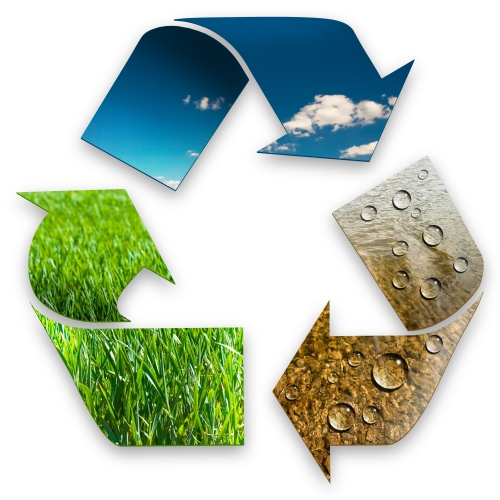
By: Ireen Twongirwe
Worth Noting:
- Surprisingly, one million plastic bottles are purchased every minute worldwide, and five trillion plastic bags are used each year. Half of all plastic manufactured is intended for single-use, worsening the problem. Plastics, especially micro plastics, are unmistakably present in our natural environment. Like many other countries, India has been dealing with a big plastic problem.
- We live in a world dominated by a capitalist economy that encourages us buy , buy , buy –to consume , consume, consume and then just throw the stuff away only to buy more stuff. Capitalism depends on an extractive economy that takes more and more raw materials and energy and turns them into goods or commodities.
World Environment Day is celebrated annually on 5 June and encourages awareness and action for the protection of the environment. It is supported by many non-governmental organizations, businesses, government entities, and represents the primary United Nations outreach day supporting the environment.
This year, the theme of World Environment Day 2023 is “BeatPlasticPollution,” highlighting people’s actions toward plastic pollution reduction. It aims to halt the degradation of ecosystems, and restore them to achieve global goals. Only with healthy ecosystems we can enhance people’s livelihoods, counteract climate change, and stop the collapse of biodiversity. There is a urgent a call to action to combat the accelerating species loss and degradation of the natural world.
Importantly, the United Nations General Assembly introduced World Environment Day in 1972. This day came into existence at the beginning of the Stockholm Conference on Human Environment. It is important to know the harmful effects of using plastic and how we can reduce its consumption.
On World Environment Day 2023, let’s pledge to ban the use of plastic for healthy surroundings. It is time we take steps to stop climate change otherwise it can become a threat later on. Everyone should consciously stop its usage.
Surprisingly, one million plastic bottles are purchased every minute worldwide, and five trillion plastic bags are used each year. Half of all plastic manufactured is intended for single-use, worsening the problem. Plastics, especially micro plastics, are unmistakably present in our natural environment. Like many other countries, India has been dealing with a big plastic problem.
We live in a world dominated by a capitalist economy that encourages us buy , buy , buy –to consume , consume, consume and then just throw the stuff away only to buy more stuff. Capitalism depends on an extractive economy that takes more and more raw materials and energy and turn them into goods or commodities. They then use the profits to invest in more production which means more raw materials and energy are used. This why some times we term waste as a political issues.
When we talk on the theme of the day, plastic were used to replace everyday things like buckets, bowls bottles, things that used to be made from natural materials like wood , leather among others. Plastic objects and packing are now used throughout the world by the rich and poor. As a result, plastics has become one of the worst waste problems the world is facing because there not biodegrable and it never stops polluting the land, the air, and the water. More so, it’s important to note that 99% of plastics are made from fossil fuels such as oil, gas and 1% of plastics are made from plants.
Poor waste management and plastic pollution is greatly responsible for climate change and global warming destroy life on the planet and this has increased to green gas emissions hence limiting the country to achieve its target of reducing the carbon gas emission by 24.7% in 2030 according to their NDCs and globally keeping 1.5 degrees alive according to Paris Agreement.
Towards zero waste, we can be part of the solution. First and foremost we need to transit from capitalism to a just transition and Regenerative economy. We can do this both at individual level government and organizational level.
At individual level, we need to use the idea in the hierarchy of waste to resist, reduce, reuse recycle and repurpose waste. At organizational level, we need to build a awareness to zero waste in our communities and develop projects that are waste and plastic free, we also have to build solidarity with other movements. Together then, we can lobby government and development partners to intervene in industrial practices and provide
We have to prevent waste in order to move towards zero waste.
We need to appreciate nature because it takes care of its waste such as dead branches and leaves from trees rot down to produce compost for plants and food for small creatures and left over foods and vegetables also become nutrition for plants and animals. More so, animal droppings become manure and make the soil rich with nutrients.
In my opinion, capitalism, poor governance and colonialism are the major factors for the plastic pollution in our environment. We therefore we need to hold the big companies that produce plastics and oil companies accountable for the destruction of our environment due to climate change impacts.
# No waste Colonialism #Break Free from Plastic pollution.
Happy world environmental day
For God and my Country
Ireen Twongirwe
Executive Director
Women for Green Economy Movement Uganda.
Similar Posts by The Mt Kenya Times:
- Mt Kenya Times ePAPER October 1, 2026
- Museveni backs Lamu but keeps Uganda’s money at home
- Sifuna’s party wins its name — and Kenya’s opposition race begins in earnest
- Lamu’s $16B gamble: Africa’s biggest refinery divides the region
- Ruto launches KSh2.2 trillion Lamu refinery in East Africa’s biggest energy bet
About the Author

 Brenda Holo