Unleashing The Power Of Expression: Freedom Of Speech And Access To Justice In Kenya
 The Mt Kenya Times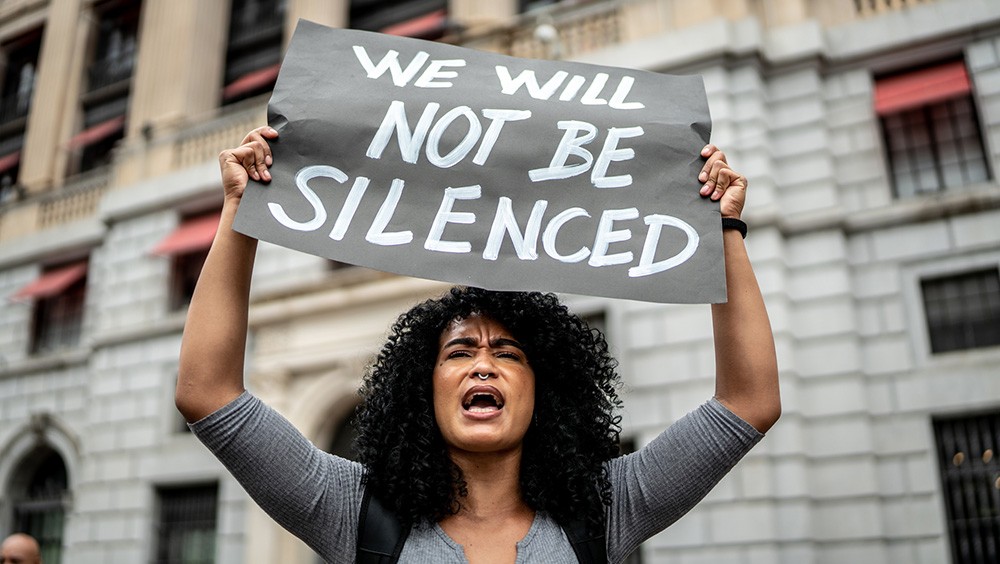
Freedom Of Speech
By Jerameel Kevins Owuor Odhiambo
Worth Noting:
- Inextricably linked to freedom of speech is the notion of access to justice – the ability of individuals to seek redress for grievances, challenge injustice, and assert their rights within an impartial and accessible legal system. In Kenya, where socioeconomic disparities and systemic barriers have long hindered equal access to the judicial process, a paradigm shift is urgently needed.
- One groundbreaking approach to enhancing access to justice lies in leveraging technology and innovative legal service delivery models. By embracing digital platforms, mobile applications, and virtual legal assistance, Kenya can extend the reach of legal aid and empower marginalized communities with the knowledge and resources they need to navigate the legal landscape.
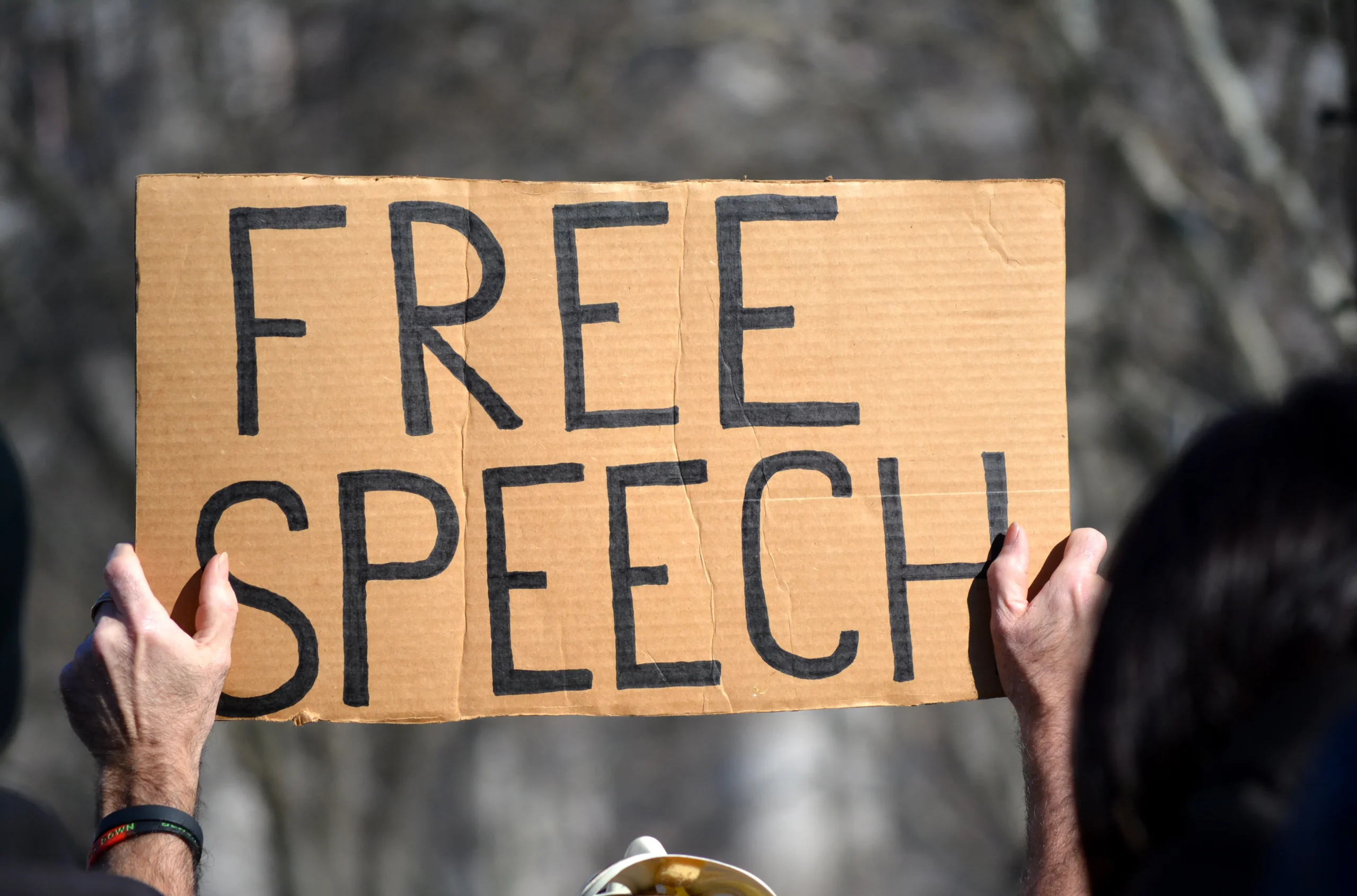
Freedom of speech and access to justice stand as twin pillars, intertwined in their quest to uphold the fundamental rights and liberties of the people. Kenya, a nation whose history is etched with the struggles for self-determination and the pursuit of justice, finds itself at a pivotal juncture, where the protection of these inalienable rights has taken on a renewed urgency. As we navigate the complexities of the 21st century, it is imperative that we reimagine the boundaries of free expression and access to justice, forging a path that not only safeguards these cherished ideals but elevates them to new heights.
At the heart of freedom of speech lies the ability to voice dissent, challenge prevailing narratives, and ignite discourse without fear of reprisal. In Kenya, where diverse ethnic, cultural, and political perspectives converge, the free exchange of ideas is not merely a luxury but a necessity for fostering understanding, promoting social cohesion, and driving progress. However, this fundamental right has often faced challenges, ranging from legislative constraints to societal pressures that threaten to silence critical voices.
To truly embrace the spirit of free expression, Kenya must embark on a bold journey of legal reform and societal transformation. This journey demands a comprehensive review of existing laws and regulations, scrutinizing provisions that may unduly restrict freedom of speech under the guise of national security or public order. It calls for the creation of robust mechanisms that shield whistle-blowers, journalists, and activists from retaliation, enabling them to expose injustice and hold power accountable without fear of persecution.
Moreover, in the digital age, where information flows transcend geographical boundaries, Kenya must redefine the boundaries of free speech to encompass the virtual realm. Online platforms have emerged as powerful tools for amplifying voices, fostering dialogue, and mobilizing collective action. However, these spaces have also become battlegrounds for censorship, misinformation, and harassment. By crafting a regulatory framework that strikes a delicate balance between free expression and responsible online conduct, Kenya can harness the transformative potential of the digital sphere while safeguarding the rights of its citizens.
Inextricably linked to freedom of speech is the notion of access to justice – the ability of individuals to seek redress for grievances, challenge injustice, and assert their rights within an impartial and accessible legal system. In Kenya, where socioeconomic disparities and systemic barriers have long hindered equal access to the judicial process, a paradigm shift is urgently needed.
One groundbreaking approach to enhancing access to justice lies in leveraging technology and innovative legal service delivery models. By embracing digital platforms, mobile applications, and virtual legal assistance, Kenya can extend the reach of legal aid and empower marginalized communities with the knowledge and resources they need to navigate the legal landscape. This digital democratization of the legal system has the potential to bridge the gap between the privileged and the underserved, ensuring that justice is not a privilege reserved for the few but a fundamental right accessible to all.
Additionally, Kenya must foster a culture of legal empowerment, where citizens are equipped with the knowledge and confidence to assert their rights and hold authorities accountable. This can be achieved through comprehensive legal education initiatives, community-based paralegal programs, and collaborative efforts between legal professionals, civil society organizations, and grassroots movements. By demystifying the law and empowering citizens with a deep understanding of their rights and responsibilities, Kenya can cultivate a society where justice is not merely a theoretical concept but a lived reality.
Furthermore, the pursuit of access to justice necessitates a critical examination of the existing legal framework and institutional structures. Kenya must undertake a comprehensive review of its laws and policies, identifying and addressing systemic barriers that impede access to justice, such as prohibitive court fees, excessive delays in legal proceedings, and discriminatory practices within the justice system.
Innovative approaches to alternative dispute resolution (ADR) mechanisms can also play a pivotal role in enhancing access to justice. By promoting mediation, arbitration, and restorative justice practices, Kenya can alleviate the burden on formal court systems, reduce costs, and provide avenues for resolving disputes in a timely and culturally sensitive manner. These ADR mechanisms not only improve access to justice but also foster social cohesion and promote healing within communities.
The role of the judiciary in upholding freedom of speech and access to justice cannot be overstated. As the guardians of the rule of law, judges and legal practitioners must embrace a progressive and rights-based approach to jurisprudence. This involves interpreting laws in a manner that upholds the constitutional guarantees of free expression and equal access to justice, while also recognizing the evolving nature of these rights in the face of societal and technological advancements.
Moreover, the judiciary must actively engage in judicial activism, challenging unjust laws and policies that curtail fundamental freedoms or perpetuate systemic barriers to justice. By issuing landmark rulings that affirm the primacy of human rights and the principles of equality and non-discrimination, the judiciary can serve as a bulwark against oppression and injustice, ensuring that the rights enshrined in Kenya’s constitution are not mere rhetoric but living, breathing realities.
Ultimately, the journey towards realizing the full potential of freedom of speech and access to justice in Kenya requires a collaborative effort among all stakeholders – the government, civil society, legal professionals, and the general public. It demands a shared commitment to upholding the values of democracy, human rights, and the rule of law. By fostering an environment that encourages open dialogue, embraces diversity of thought, and promotes equal access to the judicial system, Kenya can emerge as a beacon of hope, inspiring other nations to follow suit in their pursuit of a more just and equitable society.
In the annals of history, nations that have championed the ideals of free expression and access to justice have not only secured the liberties of their citizens but have also ignited the flames of progress, driving social, political, and economic transformation. As Kenya charts its path towards a brighter future, it must embrace these fundamental rights as the cornerstones of a truly democratic and inclusive society. By unleashing the power of expression and ensuring equal access to justice, Kenya can unlock the boundless potential of its people, fostering an environment where innovation thrives, where dissent is welcomed, and where the pursuit of justice is not a privilege but a shared responsibility.
The writer is a legal researcher and lawyer
Similar Posts by The Mt Kenya Times:
- Drought in savanna areas: A crisis that demands urgent and lasting solutions
- The paradox of inclusion: Kenya’s progressive disability laws and the persistent reality of exclusion
- The marketplace mirage: Kenya’s dual mandate and the persistent carnival of deception
- Wamunyoro Alliance Takes Shape; Gachagua, Kalonzo, Wamalwa unite
- Gachagua, Kalonzo, Wamalwa unite: Kenya’s 2027 opposition battle takes shape
About the Author