The Mt Kenya Times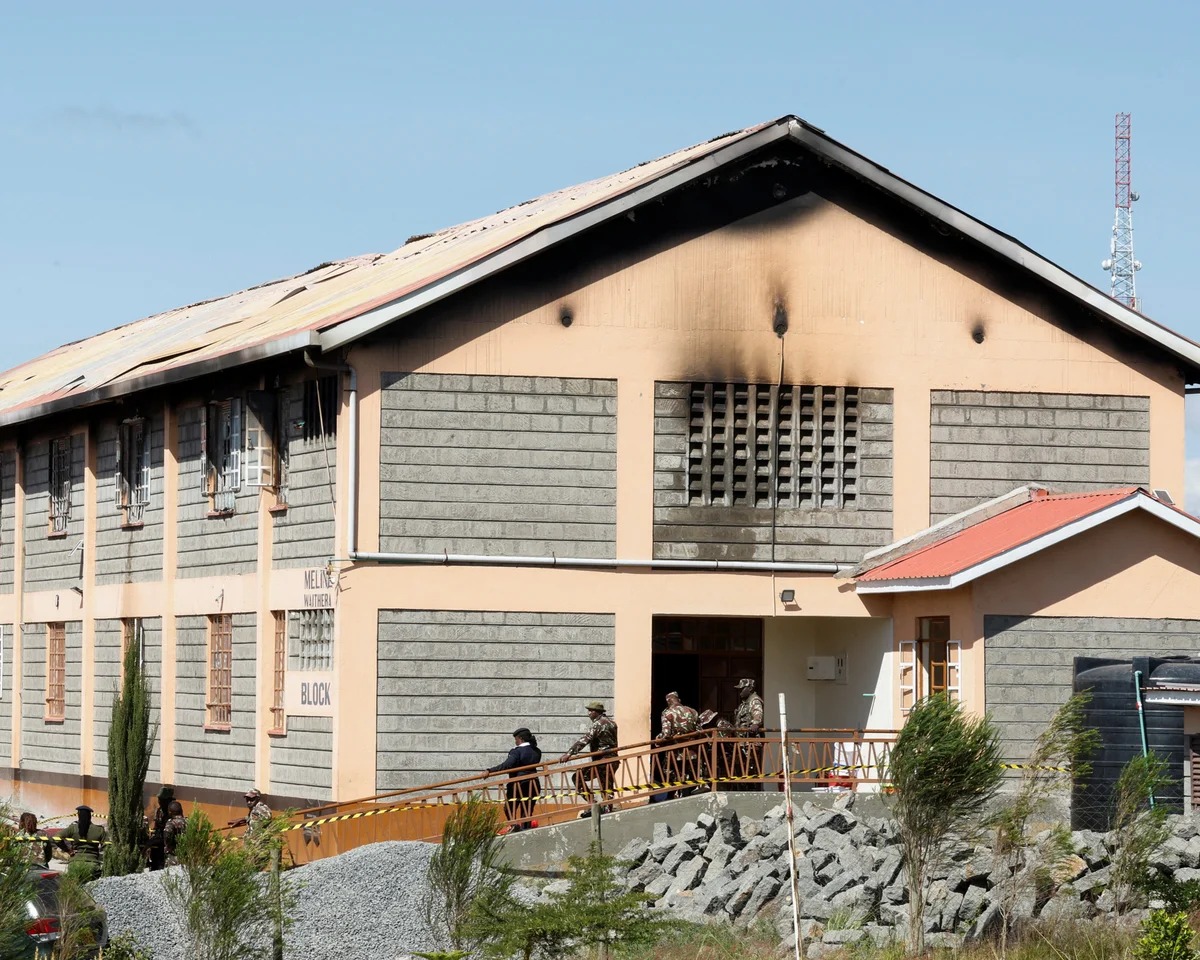
The fire that tore through Utumishi Girls Academy in Gilgil, Nakuru County
Sixteen students died, eight minors face murder charges — and grieving families wait as the courts seek truth
By Hadassah Karangu
The fire that tore through Utumishi Girls Academy in Gilgil, Nakuru County, on the night of May 28 did more than destroy a dormitory. It shattered families, extinguished dreams and left behind a grief that resists easy words.
Sixteen girls lost their lives. Seventy-nine others were injured. For the country, those figures appeared in headlines and official reports. For the families, they were never figures. They were daughters, sisters, friends — children expected to come home, finish school and build lives of their own.
Instead, sixteen families were left to confront the unbearable.
Every young person carries a future that cannot be measured. A student sitting in a classroom today might become tomorrow’s doctor, engineer, journalist or leader. There is no way of knowing how far a young life might have travelled. That is what makes the Utumishi tragedy so devastating. Kenya did not lose sixteen students. It lost sixteen possibilities.
For the parents, the tragedy did not end when the fire was extinguished. It continued when they drove home without their daughters. It continues in the empty rooms, the photographs on walls, the birthdays that will pass without celebration and the ordinary moments when a parent instinctively reaches for a voice that is no longer there.
Now, months after that night, the search for answers has moved into the courtroom.
The High Court yesterday declined to grant bail to eight minors facing 16 counts of murder in connection with the deaths. The court cited concerns over possible interference with witnesses, the circumstances of the case and the welfare of the accused. That decision has drawn strong emotions, particularly from families still deep in mourning.
Yet here the country must make a critical distinction.
The denial of bail is not a declaration of guilt. The eight minors have pleaded not guilty, and their guilt or innocence will be determined through the judicial process. The court has also underlined the need to protect them from premature judgment and public exposure.
That distinction is difficult to hold in a tragedy of this scale. Grief demands answers. Anger demands accountability. Families want to know what happened to their children and whether those responsible will face consequences.
But justice cannot be built on grief alone. It must be built on evidence.
The courtroom must remain the place where allegations are tested and responsibility is established. Public opinion, social media theories and unanswered family questions cannot substitute for due process.
At the same time, respecting the rights of the accused must never mean forgetting the victims.
The sixteen girls deserve to remain at the centre of this conversation. They were individuals, not statistics — with personalities, friendships, ambitions and families who loved them. Their deaths have left permanent spaces in the lives of those who knew them.
There is another painful dimension: the survivors.
Survival does not mean escaping unharmed. Some students sustained physical injuries; others may carry emotional wounds that no scan can detect. A young girl who watched a dormitory descend into panic and loss may live with memories of that night long after visible scars have healed. For such students, returning to ordinary life is not as simple as returning to class. They need counselling, sustained emotional support and safe environments in which to process what they witnessed.
The tragedy therefore demands more than a criminal trial. It demands a serious national conversation about school safety.
Every night, thousands of Kenyan children sleep in school dormitories, separated from their parents and entrusted to institutions meant to protect them. That trust carries enormous responsibility.
Utumishi should force difficult questions. Are schools adequately prepared when fires break out? Are emergency exits accessible? Are fire safety systems regularly inspected? Do students know what to do in an emergency? Kenya has experienced school fires before. Each tragedy brings mourning, investigations and promises. The cycle cannot continue indefinitely. A country cannot repeatedly mourn children and wait for the next disaster before discussing prevention.
There must be sustained, enforced attention to safety standards and emergency preparedness in learning institutions.
Meanwhile, the Utumishi case itself must be allowed to follow the law. The prosecution’s allegations will be tested in court. The defence will respond. The court will determine whether the evidence meets the required legal threshold.
Until then, the public must resist turning accusation into conviction.
That does not mean silence. It means demanding justice without prejudging the outcome. It means standing with grieving families without interfering with the judicial process. It means remembering sixteen girls while recognising that the eight minors before the court are also children whose rights the law must protect.
This is perhaps the most difficult lesson from Utumishi: justice must hold two truths simultaneously.
Kenya can grieve for sixteen girls whose lives were cut short. It can demand accountability from those responsible. And it can still insist that anyone accused of a crime — particularly a child — receives a fair legal process. These principles do not cancel each other out. They strengthen one another.
For the families of the sixteen girls, justice will always mean something more personal. A court case cannot bring their daughters back. A conviction, if eventually reached, cannot restore the conversations that will never happen, the graduations never attended or the futures never lived.
Nothing returns what those families lost.
But the truth matters. Accountability matters. And ensuring that other parents never face the same pain matters.
The Utumishi fire must not become another tragedy Kenya mourns for a few weeks before moving on. Sixteen girls died. Sixteen families were permanently changed. Seventy-nine others were injured. And an entire nation was reminded how fragile life becomes when a few minutes determine whether a child makes it home.
The court has the responsibility of examining evidence and applying the law. The public has a different responsibility: remember the victims, respect the process and keep asking the questions that can make schools safer.
The sixteen girls had futures. Those futures must not disappear with them. Their memory should live not only in photographs and memorials, but in the determination to ensure that every child who enters a school dormitory has a reasonable expectation of walking out again.
Let the court establish the truth. Let justice take its course. And let Kenya ensure that the deaths of sixteen young girls become a turning point in how seriously this country protects the children entrusted to its schools.
Similar Posts by The Mt Kenya Times:
- Mt Kenya Times ePAPER September 21, 2026
- Gachagua accuses Ruto of using UNGA trip to seal niobium deal in Kwale
- Ichung’wah turns Uhuru’s ‘sponyo’ joke into a policy attack
- Kuria’s rebuke of Kindiki on brews reopens the wound Gachagua left behind
- Nyoro storms Engineer as Njabini chaos signals the mountain is already at war with itself
About the Author