The Mt Kenya Times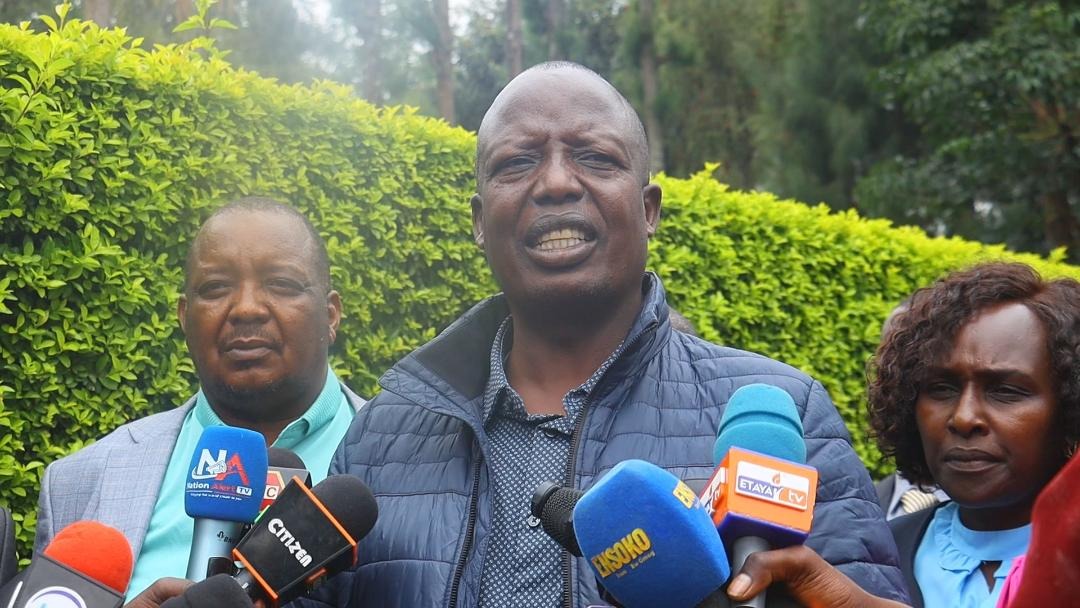
Committee chairman Julius Melly addressing press at Kisi National Polytechnic during the public participation process had generated important proposals that would help shape the Bills. Photo/ Elizabeth Angira
By Elizabeth Angira
The National Assembly’s Departmental Committee on Education has held public hearings on proposed education laws covering university funding, basic education, examinations, teacher training and curriculum development.
The hearings have brought together members of the public, parents and other education stakeholders who have presented their views and recommendations on the proposed legislation.
Committee chairman Julius Melly said the public participation process had generated important proposals that would help shape the Bills before they are tabled in Parliament for consideration.
“We are facilitators. We listen to the people, and they have made key recommendations on how these proposed laws should be guided,” Melly said.
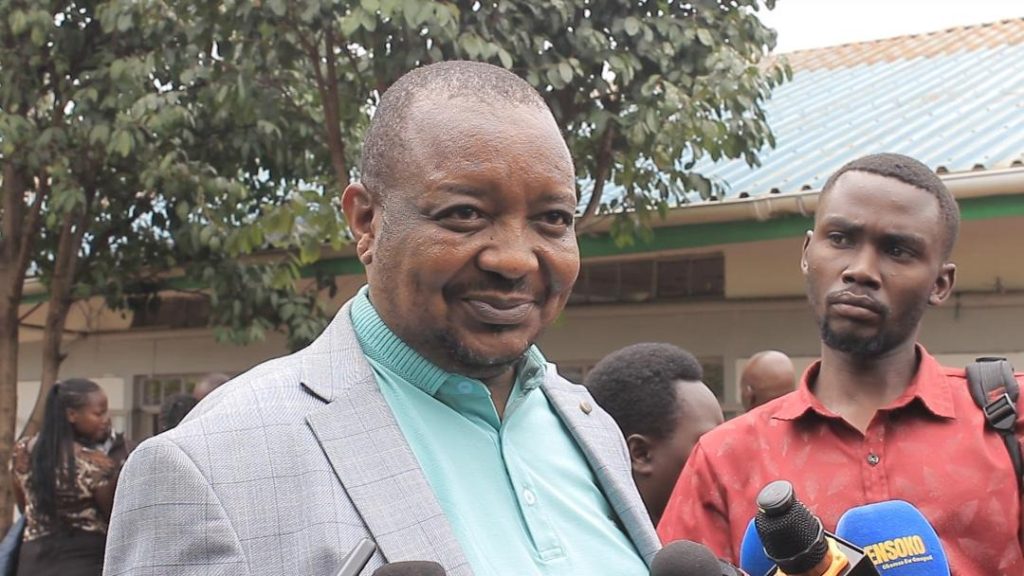
Among the issues raised by the public are the composition of school boards of management, the proposed composition of the Kenya Institute of Curriculum Development (KICD) board and the Kenya National Examinations Council (KNEC) board.
Stakeholders have also raised concerns over funding for Technical and Vocational Education and Training (TVET) institutions and tertiary education.
Melly said the public hearings demonstrated that Kenyans were actively participating in the law-making process and taking part in decisions affecting the education sector.
One of the major issues emerging from the hearings across several counties is the need to streamline the management of basic education from primary school through junior and senior school.
Stakeholders have also called for greater involvement of parents and communities in the management of schools, colleges and other education institutions.
Baringo North MP Joseph Makilap said the public had generally recognised the importance of the proposed education reforms, but had also identified areas requiring further consideration.
Discipline in schools emerged as one of the contentious issues, with some parents calling for stronger measures to address indiscipline among learners, including the return of corporal punishment and caning, which are prohibited under the proposed legislation.
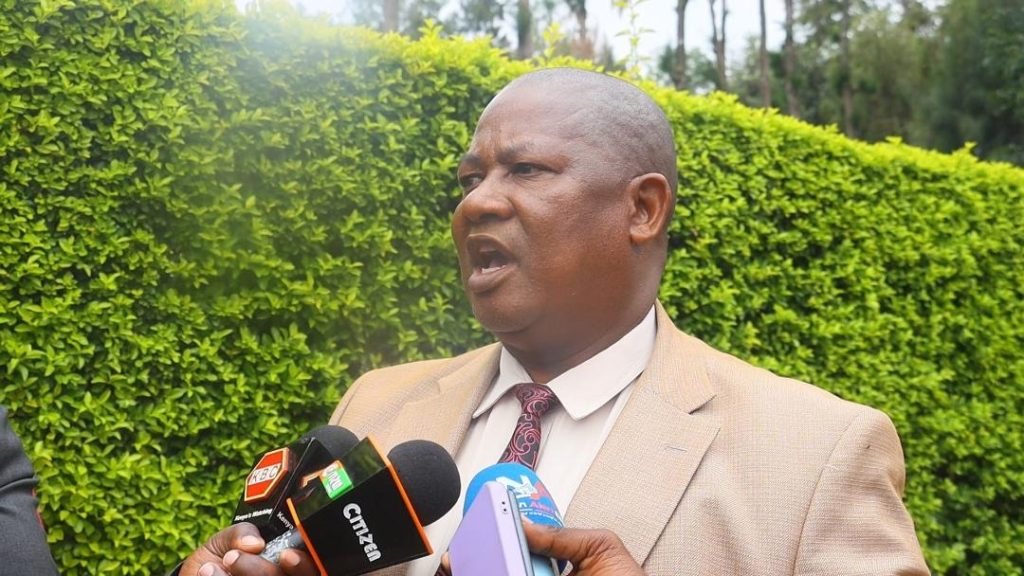
Makilap challenged parents to clearly state the type of discipline they wanted included in the law as part of the public participation process.
“Parents have told us that we need discipline in our schools. We have asked them to tell us what form of discipline they want. Is it corporal punishment or what? This is part of the law-making process,” Makilap said.
Another issue generating debate is the proposed amalgamation of teacher training colleges into a single institution.
Kisii County Parents Association chairman Captain Francis Omayo said some parents were opposed to the proposal, arguing that different teacher training colleges had developed unique strengths, areas of specialisation and innovative approaches to training.
“As parents, we feel that we may not have a choice if all the colleges are merged into one institution. Sometimes we choose colleges because of the niche they have developed, their innovativeness and creativity,” Omayo said.
He called for parents to be involved at all levels of education policy and decision-making, saying they are key stakeholders in the education sector.
Parents also raised concerns over the financing of school boards of management, saying the boards play an important role in running schools but often lack adequate financial support.
Omayo said parents should be provided with a funding mechanism that would enable them to effectively participate in the management of schools.
“Parents are there to be involved in the management of schools, but we have never been funded. We are requesting that the amendment Bill provides a funding model that will make parents vibrant and enable them to carry out their responsibilities effectively,” he said.
Another major proposal from parents was the inclusion of learners in private schools in government education funding programmes.
Omayo argued that children attending private schools remain Kenyan citizens and should not be excluded from government support because of the institutions they attend.
“Kenyan students are not private. Whether a child is in a public or private school, that child is Kenyan,” Omayo said.
He called for a funding model that would provide capitation for learners in private schools, similar to the support provided to students in public institutions and government funding available to university students in both public and private universities.
The parents argued that education funding should focus on the learner rather than the type of institution they attend.
They further called for an inclusive financing model that would ensure no Kenyan learner is disadvantaged because of the school or institution they attend.
The committee said it would consider the views and recommendations gathered during the public hearings as it continues to refine the proposed education laws before they are taken to Parliament for further consideration.
Similar Posts by The Mt Kenya Times:
- Statement win at the Gtech: Brentford outclass Chelsea to claim all three points
- When disability funds become a frontier for accountability: Kenya’s PWDs refuse to be invisible
- Manufacturing hope at the ballot, accumulating fortunes after the count
- Review of the Novel Pride and Prejudice
- Making schools places learners want to be: Addressing chronic absenteeism through engagement and belonging
About the Author