When disability funds become a frontier for accountability: Kenya’s PWDs refuse to be invisible
 The Mt Kenya Times
When disability funds become a frontier for accountability: Kenya’s PWDs refuse to be invisible
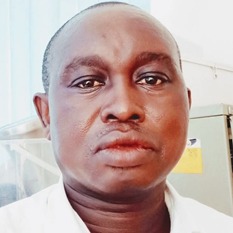
By Mr. Fredrick Kipchumba Chelimo – PWD: Communication/Spokes person
Uasin Gishu Disability Umbrella CBO
Email; fkipchelimo@yahoo.com
“The true measure of any society can be found in how it treats its most vulnerable members.” — Mahatma Gandhi
There comes a moment when silence ceases to be patience and becomes an invitation to administrative complacency. Kenya may be approaching such a moment in the management of public resources intended for persons with disabilities. This is not an allegation that disability funds are inherently corrupt, nor is every delay evidence of misappropriation. It is, however, a warning that opacity, unexplained delays, undocumented transfers, disputed allocations and institutional blame-shifting create accountability risks that cannot simply be dismissed.
Kenya’s Persons with Disabilities Act, 2025 places explicit obligations upon county governments. Counties are required to allocate adequate resources to programmes specifically targeting persons with disabilities, promote inclusion of PWDs in county employment, adopt affirmative procurement measures and ensure disability inclusion across mainstream programmes. The law therefore transformed disability inclusion from a matter of goodwill into a public responsibility.
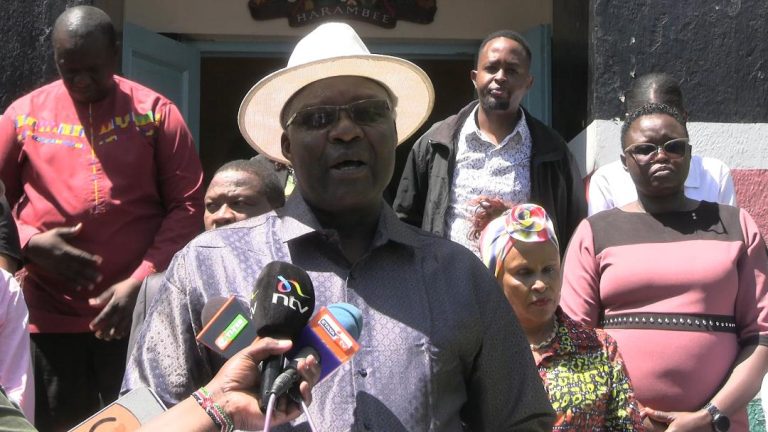
Recent developments in Nakuru provide a serious case study. Reporting by The Standard indicates that KSh27.5 million budgeted for disability mainstreaming in FY2025/2026 was not disbursed to PWD beneficiaries. The disability community subsequently demanded explanations, petitioned the County Assembly and issued notice of peaceful demonstrations.
The reporting also illustrates the accountability problem. The department responsible for disability matters said it had undertaken processes necessary to operationalise the fund and requested transfer of the money to the PWD account, while pointing to the finance function over the failure to transfer the funds. The department also sought explanations concerning the omission of the allocation from the 2026/2027 budget. This is precisely why public accountability requires an audit trail.
Where was the appropriation? Where was the requisition? Who authorised the transfer? Was the money released? Was it transferred? If not, why not? If it was reallocated, under what lawful authority? What became of the intended beneficiaries? These are not partisan questions. They are questions of public finance, institutional responsibility and citizens’ rights.
Uasin Gishu now finds itself confronting its own accountability question. PWD representatives have raised concerns regarding a reported KSh15 million PWD empowerment allocation for FY2025/2026, together with information that 780 PWD beneficiaries across the county’s 30 wards had been identified for a proposed tools-of-trade intervention.
The PWD community has further stated that it was informed that the funds were returned to the Department of Finance at the close of the financial year. These matters require documentary verification by the relevant county institutions. That is why the demand must remain focused: show the budget line, show the appropriation, show the requisition, show the transfer records, show the implementation documents, show the beneficiary framework and explain the final status of the funds. The quest to get these answers has been painstaking exercise for the PWDs of Uasin Gishu.
If the money was properly managed, documentation should provide the answer. If implementation failed, the institutional failure should be explained. If funds were lawfully reallocated, the legal authority should be identified. If evidence of financial impropriety emerges, the appropriate accountability institutions should be allowed to act.
Disability must not become an invisible budget There is a particular vulnerability in disability expenditure. A road can be seen. A building can be photographed. A bridge can be inspected. But a sewing machine, assistive device, business grant, dairy animal, training programme or tools-of-trade package can disappear into procurement files and beneficiary schedules without the wider public immediately noticing. That makes transparency even more important.
Indeed, the national government has itself continued to use tools-of-trade and economic empowerment as part of disability programming. NCPWD reported in July 2026 that its tools-of-trade programme was reaching entrepreneurs across the country, including Uasin Gishu, alongside training and enterprise support. The issue, therefore, is not whether empowerment is possible. It is whether every shilling allocated for that purpose can be traced from budget to beneficiary.
The planned 24 September 2026 peaceful accountability demonstration in Uasin Gishu should consequently be understood within that wider context. The disability community has indicated that it intends to use lawful avenues including peaceful demonstration, formal petition, administrative accountability mechanisms and, where appropriate, judicial proceedings.
There should be no surrender to intimidation, bureaucratic fatigue or endless referrals. But there should equally be no violence, destruction, personal vilification or unsupported accusations. The strongest disability movement is not one driven by anger alone. It is driven by evidence, law, unity, documentation and persistence.
Leadership at every level of government should therefore demonstrate solidarity—not by shielding institutions from scrutiny, but by ensuring that legitimate questions receive timely, documented and lawful answers. County assemblies should exercise their oversight mandate. County executives should provide records. Finance and accounting officers should clarify financial trails. Oversight institutions should act where their mandates are engaged. And PWD organizations should remain vigilant, united and evidence-driven.
This is bigger than KSh15 million. It is about whether citizens living with disabilities are treated as equal participants in Kenya’s democracy—or merely as beneficiaries expected to wait quietly. The message should therefore be unmistakable: disability is not inability; vulnerability is not consent; patience is not surrender.
The 24 September engagement should be peaceful. The petition should be factual. Any court process should be evidence-based. Every demand should be anchored in law. But the pursuit of accountability should not disappear when the demonstration ends. It should continue through documentation, oversight, public participation, administrative review and, where justified by the evidence, the courts. Kenya has already established the legal architecture for disability inclusion. The challenge now is turning statutory promises into measurable reality.
For Kenya’s disability community, the enduring lesson is simple: public resources entrusted for the empowerment of persons with disabilities must remain traceable, accountable and protected by law. No vulnerable citizen should have to beg for an explanation about a resource that was budgeted for their dignity. More importantly, accountable county officials should not speak, act and insinuate that they are demi-gods when requested to respond to public questions while still holding public offices.
Similar Posts by The Mt Kenya Times:
- Statement win at the Gtech: Brentford outclass Chelsea to claim all three points
- Public voices concerns over proposed education laws
- Manufacturing hope at the ballot, accumulating fortunes after the count
- Review of the Novel Pride and Prejudice
- Making schools places learners want to be: Addressing chronic absenteeism through engagement and belonging
About the Author