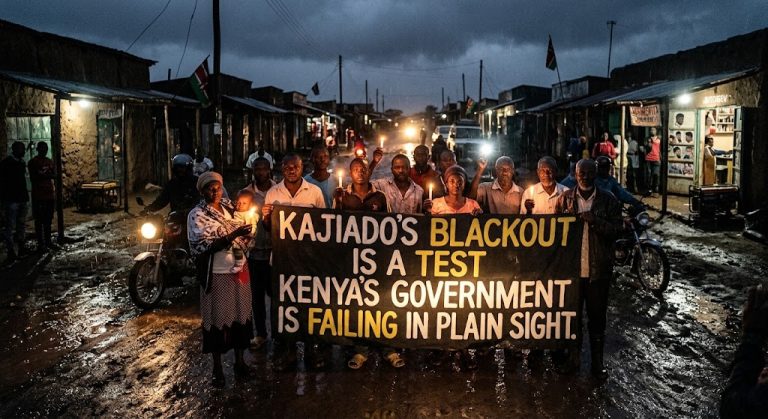
Millions of Kenyans are going hungry: Where is the government’s food security plan?
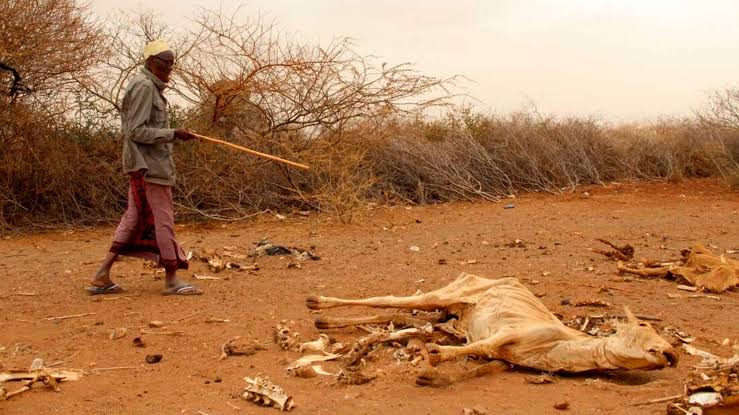
Rising acute food insecurity demands more than emergency relief — Kenya needs a credible, long-term strategy.
By Collins Kibet
Kenya is facing a serious food security crisis, and the growing number of hungry citizens demands an honest national conversation about the effectiveness of government policy. Recent reports point to a sharp rise in acute food insecurity, particularly in drought-affected regions. For millions of ordinary families, the struggle is no longer about earning a better income. It is about finding enough food to eat each day.
The situation raises an uncomfortable question: if Kenya is pursuing economic transformation and spending heavily on development, why are so many citizens still unable to afford basic food? Economic growth must ultimately show up in people’s lives — in purchasing power, employment, agricultural output, and the affordability of essential commodities. When families reduce the number of meals they eat because food is beyond their reach, the country must ask whether economic progress is actually reaching those who need it most.
Hunger is not merely an agricultural problem. It is a political and economic failure that demands serious attention. A hungry population is a vulnerable population. Children struggle to learn. Farmers lose livelihoods when drought destroys crops and livestock. Families slide deeper into poverty. If the problem persists, its consequences will extend far beyond individual households and become a national crisis.
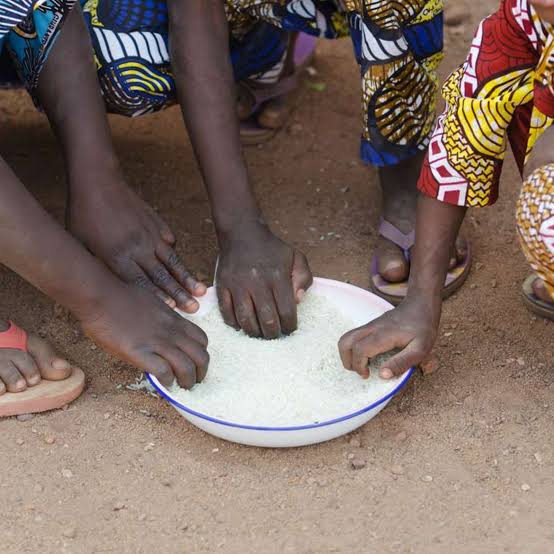
The government must move beyond emergency responses and commit to sustainable solutions. Kenya needs significant investment in irrigation, water infrastructure, climate-smart agriculture, affordable farm inputs, storage facilities, and reliable agricultural markets. Farmers cannot be expected to feed the nation while remaining exposed to unpredictable rainfall, expensive inputs, poor roads, and inadequate market access.
County governments share this responsibility. Agriculture and local food production cannot be left entirely to national policy. Counties must strengthen agricultural extension services, support small-scale farmers, invest in water projects, and develop programmes that help communities produce food even during dry periods. Kenya has enormous agricultural potential. That potential will remain unrealised as long as millions continue to go hungry.
Political leaders must also reconsider how they define development. Kenya’s political conversation is dominated by roads, buildings, and large government projects. Infrastructure matters — but development must ultimately be judged by its effect on ordinary citizens. A country cannot claim meaningful progress if families cannot afford food, young people cannot find work, and farmers cannot earn sustainable incomes.
The hunger crisis is also a reminder that food security and economic stability are inseparable. When food prices rise beyond what ordinary households can bear, disposable income disappears. Families are forced into painful choices between food, school fees, healthcare, and other basic needs. That deepens inequality and places additional strain on households already under severe pressure.
Kenya has the resources, the farmers, the technology, and the human capacity to feed its population. What is absent is a consistent, accountable strategy that puts food security at the centre of national development planning. Emergency food relief offers temporary relief. It cannot substitute for the long-term investment and political will that a structural solution requires.
The government should therefore be measured not only by the size of its development budget or the number of projects it announces, but by whether ordinary Kenyans can afford a decent meal. Real economic transformation is visible in households, markets, and farms — not in government statistics or press releases.
Kenya cannot continue celebrating economic progress while millions of its citizens remain uncertain about where their next meal will come from. Hunger is not a statistic. It is a reflection of the country’s priorities and a direct test of its leadership. If Kenya is serious about building an economy that works for everyone, ensuring that its people can afford to eat must be among the first and most fundamental measures of success.
Similar Posts by The Mt Kenya Times:
- Kenya won the right to host the world: Now it must prove it can
- Pride And Prejudice: A Timeless Study Of Love, Pride And Society
- Understanding bipolar: It is more than mood swings
- Uhuru Kenyatta and the six-month rule: Is this about democracy, power or fear?
- JJ Gabriel asks to leave Manchester United
About the Author