Pride And Prejudice: A Timeless Study Of Love, Pride And Society
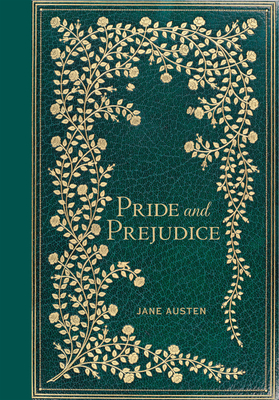
A Critical Review of Jane Austen’s Classic Novel
Submitted by: Momina Riaz | BS English, 5th Semester | Student ID: BSEN012413002
Submitted to: Muhammad Adnan Gujjar | Instructor/Lecturer, University of Chenab, Gujrat
Department of English • University of Chenab, Gujrat
An Enduring Literary Classic
Published in 1813, Jane Austen’s Pride and Prejudice is one of the best-known and most acclaimed novels in English literature. Although its plot may initially appear complicated, its memorable characters, lively dialogue, humour, and realistic depiction of society continue to attract readers. Austen offers a sharp criticism of class differences, marriage, relationships, and human nature while combining affection with irony and satire. The novel remains meaningful in the modern world because its questions about social expectations, personal judgement, and relationships are still relevant today.
The Story and Its Social World
The story is set in the English countryside and centres on the Bennet family, which consists of Mr. and Mrs. Bennet and their five daughters: Jane, Elizabeth, Mary, Kitty, and Lydia. Elizabeth Bennet is the protagonist, and much of the novel revolves around her experiences and changing understanding of other people. Mrs. Bennet is determined to see her daughters married, especially because the family estate is entailed away from the female members of the family. When the wealthy Mr. Bingley arrives in the neighbourhood with his sisters and his friend Mr. Fitzwilliam Darcy, Mrs. Bennet hopes that one of her daughters will marry into the wealthy family.
Elizabeth Bennet and Mr. Darcy
At a social gathering, Mr. Bingley is immediately attracted to Jane Bennet, while his friend Mr. Darcy makes an unfavourable first impression. Darcy refuses to dance with Elizabeth, and she forms a negative opinion of him. As the plot develops, misunderstandings, moral weaknesses, and concealed truths gradually transform Elizabeth’s and Darcy’s views of each other, eventually leading to mutual understanding and affection.
Elizabeth: Intelligent but Imperfect
Characterisation is one of the strongest qualities of Austen’s novel. Elizabeth is intelligent, sharp, bold, and independent. She believes that marriage should not be based merely on money or social position; affection, understanding, and respect also matter. Her lively personality and witty conversation make her a charming and convincing protagonist. Nevertheless, Elizabeth is not perfect. She is sometimes too quick to judge people, particularly Darcy, and her mistaken assumptions become an important lesson in her personal development.
Darcy: From Pride to Self-Improvement
Mr. Darcy is one of the novel’s most memorable characters. At first, readers may dislike him because of his proud and reserved behaviour. As the story progresses, however, Austen reveals a more generous and responsible side of his personality. Elizabeth criticises Darcy for his pride, while she also misunderstands his character. When Darcy recognises how his behaviour has affected others, he begins to change himself. His self-development is one of the most rewarding aspects of the novel, showing that genuine character is revealed through actions rather than first impressions.
Love, Misunderstanding and Growth
The relationship between Elizabeth and Darcy forms the central emotional and thematic focus of the novel. Their eventual marriage is not based on instant attraction but on struggle, reflection, and self-understanding. Elizabeth initially misunderstands Darcy because of his unfriendly behaviour and because she believes the false stories told by George Wickham. Darcy, meanwhile, must overcome his own pride and social prejudice. Gradually, both characters recognise their mistakes and correct their assumptions. Their love becomes meaningful because it develops through empathy, respect, and personal growth.
Supporting Characters
The minor characters make the novel authentic and fascinating. Jane Bennet is gentle, beautiful, and warm-hearted, while her relationship with Mr. Bingley represents a more traditional romantic love. Bingley is kind, cheerful, and easily liked by others. Mrs. Bennet provides much of the novel’s comedy through her foolish behaviour and constant concern with marriage. Mr. Bennet is intelligent and ironic, but his failure to take his responsibilities as a father seriously creates difficulties for his family. Lydia Bennet is childish and irresponsible, and her elopement with Wickham creates a major crisis for the Bennet family.
Pride and Prejudice as Central Themes
Darcy’s character represents the theme of pride. His wealth and social position contribute to his arrogance, and he initially judges others according to his own standards. Elizabeth, meanwhile, becomes a victim of prejudice because she makes quick judgements about Darcy. Her dislike prevents her from seeing his true character. Both characters therefore begin the novel with flawed attitudes, and their development demonstrates the importance of humility, self-awareness, and the willingness to reconsider one’s beliefs.
Austen’s Style and Social Satire
A major reason for the novel’s lasting popularity is Austen’s distinctive writing style. Her prose is clear, elegant, intelligent, and rich in irony. She exposes social realities through wit and satire while also entertaining her readers. Characters such as Mrs. Bennet and Mr. Collins provide comic relief, but their behaviour also reveals serious concerns about social class, gender roles, family expectations, and marriage. Beneath the humour, Austen presents a thoughtful critique of the social pressures faced by women and families in her society.
Setting and the World of Rural England
The charm of Pride and Prejudice is also connected with its setting in rural England. Austen presents a vivid social world through houses, visits, dances, dinners, walks, and gatherings. These settings are more than decorative backgrounds: they create spaces in which characters meet, observe one another, form judgements, and negotiate relationships. The social environment therefore plays an important role in shaping the characters and advancing the plot.
Conclusion
Pride and Prejudice remains one of the most famous novels ever written. It is a literary masterpiece because of its witty characters, memorable dialogue, humour, social criticism, and enduring themes. Through Elizabeth and Darcy, Jane Austen shows how pride and prejudice can distort human judgement, while self-awareness and mutual respect can lead to genuine understanding. Whatever the reason for reading it, the novel continues to leave a powerful and unforgettable impression on its readers.
Similar Posts by The Mt Kenya Times:
- The gatekeepers’ feast: How Africa’s hybrid regulatory farce feasts on its own digital future
- The war drums will not win the election: Kenya’s ruling class must face the record
- Kenya won the right to host the world: Now it must prove it can
- Millions of Kenyans are going hungry: Where is the government’s food security plan?
- Understanding bipolar: It is more than mood swings
About the Author