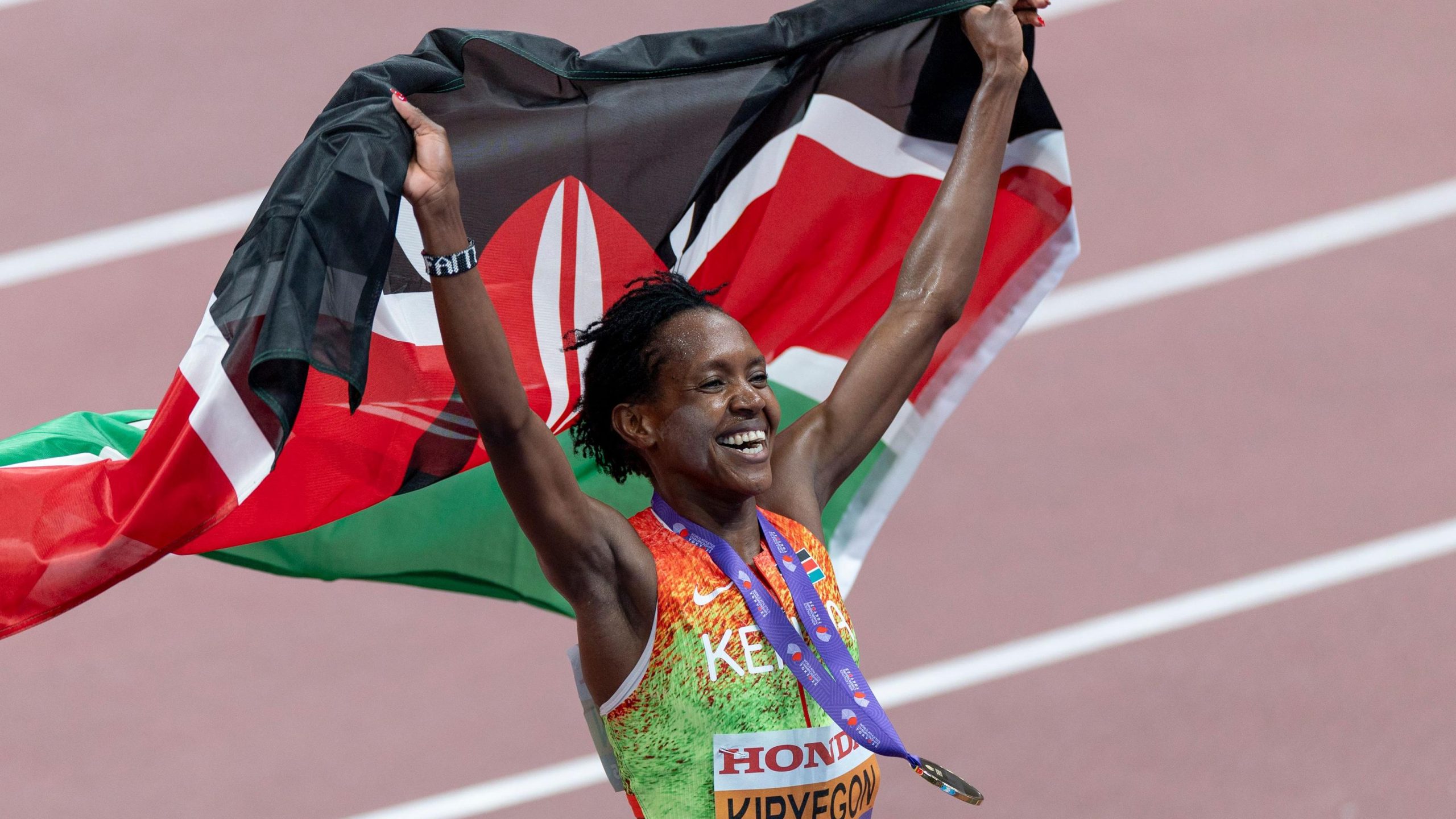
Faith Kipyegon
Nairobi’s bid victory for the 2029 World Athletics Championships is historic — but the real race begins now.
By Levis Wangamati
For once, Kenya has won something without having to run for it.
Nairobi has been awarded the 2029 World Athletics Championships, beating bids from London, Rome, and Munich to secure a place in sporting history that belongs not only to Kenya but to an entire continent. When the championships arrive, Africa will host the senior World Athletics Championships for the first time. The announcement, made by World Athletics in Budapest, is more than a sports story. It is a declaration that Africa can stage the biggest events in global athletics — and that Kenya believes it is ready to welcome the world.
But celebration should not make us careless. Winning the bid is the beginning of the story, not its conclusion. Kenya has earned the right to host the world; it has not yet proved it can deliver the world-class experience the world will expect. That distinction matters because international sporting events are unforgiving. Athletes arrive with stopwatches, officials with checklists, broadcasters with cameras, and spectators with expectations. Nobody awards extra credit because the host nation is passionate about athletics. By 2029, Kenya must perform — and this time, the race will not be decided on the track.
The opportunity is enormous. Kenya has spent decades building a reputation as one of athletics’ most successful nations, producing champions recognised far beyond our borders. Faith Kipyegon, Eliud Kipchoge, David Rudisha, Hellen Obiri, Vivian Cheruiyot, and generations of others have made Kenyan athletics a global brand. World Athletics president Sebastian Coe described the sport as woven into the fabric of the country and said Nairobi presented a compelling and emotional bid. That endorsement matters because Kenya has not simply borrowed athletics’ global spotlight. It has helped create it.
Yet sporting reputation cannot substitute for infrastructure. Nairobi will have to move thousands of athletes, officials, journalists, volunteers, and spectators efficiently through a city already notorious for traffic. It will have to deliver accommodation, security, transport, medical services, telecommunications, and reliable facilities on a scale that ordinary international competitions do not demand. The country has relevant experience — the city hosted the World U18 Championships in 2017 and the World U20 Championships in 2021, while the Kip Keino Classic has grown into one of Africa’s leading athletics meetings. Those successes provide a foundation, but the 2029 championships will demand a far larger performance.
The most visible test is Kasarani. The stadium is undergoing major renovation ahead of the 2027 Africa Cup of Nations, two years before the World Athletics Championships. That creates both an opportunity and a warning. If the upgrades are completed properly, Kenya enters 2029 with a modern national stadium capable of bearing the weight of a global event. If construction descends into delays, inflated costs, and unfinished works, the same project intended to showcase Kenya could become an embarrassment. A stadium should not be completed merely because cameras are arriving. It should be built because Kenyans deserve facilities that remain useful long after the visitors have gone.
This is where Kenya must learn to think beyond the event itself. The World Athletics Championships should not become another temporary spectacle — one that arrives, consumes billions, generates patriotic excitement for a fortnight, and then fades from national memory. The real measure of success will be what remains when the final athlete leaves the track. Can young athletes access better facilities? Can coaches find better opportunities? Can local businesses grow? Can tourism receive a lasting boost? Can Nairobi improve its transport and hospitality systems? Can Kenya strengthen its standing as a reliable destination for major international competitions?
Those questions matter because global events can be powerful economic engines when properly planned. Hotels, restaurants, transport operators, tour companies, retailers, and event organisers can all benefit from an international influx. Young Kenyans can find opportunities in hospitality, media, security, technology, and event management. The championships can also introduce visitors to a Kenya that extends well beyond the safari postcard — a modern African capital with culture, enterprise, creativity, and sporting excellence.
But opportunity has a way of attracting those who see public events rather differently from ordinary citizens. Where there is a large budget, there will always be interest in the tender. Where there is construction, there will be interest in the contract. Where there is international attention, there will be those eager to convert patriotism into personal profit. Kenya therefore needs exceptional transparency as it prepares. The phrase “historic opportunity” cannot be allowed to become a convenient cover for waste.
The lesson should be clear, because Kenya has hosted major sporting events before. We know the excitement that accompanies international competition. We also know the frustrations that follow when promised facilities, roads, and services fall short. The 2029 championships should be guided by a straightforward principle: build for Kenyans first, and host the world with what Kenya has built. If a new road is required, it should continue serving Nairobi after the athletes depart. If a stadium is renovated, it should remain a functioning institution. If technology is upgraded, Kenyan businesses and citizens should keep benefiting from it.
There is another responsibility that cannot be set aside: the integrity of Kenyan athletics. Kenya’s extraordinary success has been accompanied by persistent concerns over doping. The international spotlight arriving in 2029 will celebrate our champions, but it will also scrutinise the systems protecting the sport’s integrity. Hosting the championships gives Kenya an opportunity to demonstrate that its commitment to clean sport is as serious as its commitment to winning medals. The global stage should become a platform for stronger institutions, better testing, athlete education, and a culture in which excellence requires no shortcuts.
Kenya must also use the next three years wisely, because three years can feel like a long time in politics but is remarkably short in infrastructure planning. There should be no last-minute scramble to complete facilities, no frantic procurement when deadlines loom, and no expectation that Kenyan ingenuity will rescue poor preparation at the eleventh hour. Work must begin immediately, with clear milestones, public accountability, and regular reporting. The world has already sent the invitation. Kenya must now prepare the house.
For Nairobi, 2029 is also a chance to redefine the city’s relationship with international sport. Every airport arrival, hotel experience, traffic jam, stadium entrance, press conference, and medal ceremony will shape the world’s understanding of Kenya. National reputation is built through thousands of small encounters. A visitor who leaves Nairobi impressed becomes an informal ambassador. A visitor who spends hours in traffic, struggles with basic services, or encounters disorganisation carries a very different story home.
And then there is the young Kenyan watching from somewhere far from Kasarani — a child who has never left their county, has no professional coach, no equipment, and no connection to the sporting establishment. Watching the world’s greatest athletes compete on Kenyan soil can change what that child imagines is possible. That is the deeper promise of 2029. It is not only about medals already won. It is about convincing the next generation that the starting line can be anywhere.
Kenya has received something more valuable than a hosting contract. It has received a test of national organisation. The country has spent years telling the world it is an athletics powerhouse. In 2029, the world will come to see whether the nation behind the champions can organise itself with the same discipline it demands from its athletes.
The pride is justified. Africa has waited a long time for this moment, and Kenya has earned its place in it. But patriotism must not obscure responsibility. The real victory will not be the announcement made in Budapest. It will be the moment, three years from now, when the stadium is full, the races begin on time, the athletes perform, the visitors are impressed, the facilities work, and Kenya can look at the world without excuses.
Kenya has won the right to welcome the world. By 2029, the world will decide whether Kenya deserved the invitation.
Similar Posts by The Mt Kenya Times:
- The gatekeepers’ feast: How Africa’s hybrid regulatory farce feasts on its own digital future
- The war drums will not win the election: Kenya’s ruling class must face the record
- Pride And Prejudice: A Timeless Study Of Love, Pride And Society
- Millions of Kenyans are going hungry: Where is the government’s food security plan?
- Understanding bipolar: It is more than mood swings
About the Author