Why Kenyans Should Reject The Finance Bill 2024: A Call For Economic Prudence And Social Justice
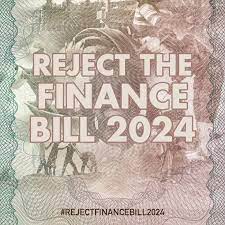

By: Introverted Journalist
In the corridors of Kenya’s legislative chambers, a contentious document looms large, poised to shape the nation’s economic landscape for years to come. The Finance Bill of 2024, ostensibly crafted to bolster revenue streams and fortify fiscal resilience, has ignited fervent debate and deep-seated concern among citizens across the nation. As its provisions come under increasing scrutiny, a chorus of voices rises, urging Kenyans to pause, reflect, and consider the ramifications of endorsing this legislation.
At the heart of the matter lies a fundamental question of equity and social justice. The proposed amendments to taxation policies, while purportedly aimed at shoring up government coffers, threaten to exact a heavy toll on the ordinary citizens of Kenya. From the introduction of new levies on essential commodities to the spectre of increased VAT rates, the burden of these fiscal measures threatens to deepen the economic chasm, disproportionately impacting vulnerable communities already grappling with the harsh realities of inflation and stagnant incomes.
Moreover, the Finance Bill casts a long shadow over Kenya’s entrepreneurial landscape, particularly its vibrant Small and Medium Enterprises (SMEs) sector. While SMEs serve as engines of innovation and job creation, the proposed taxation frameworks and compliance requirements threaten to stifle their growth and dampen their resilience. In a nation where entrepreneurship is hailed as a cornerstone of economic progress, such impediments risk extinguishing the flames of innovation and stifling the aspirations of countless Kenyan entrepreneurs.
Beyond the confines of domestic economic concerns, the Finance Bill of 2024 sends ripples of apprehension throughout the global investment community. Foreign investors, crucial partners in Kenya’s quest for economic advancement, may balk at the prospect of navigating ambiguous tax regulations and navigating a landscape fraught with uncertainty. At a time when Kenya seeks to position itself as a beacon of investment opportunity on the African continent, the potential deterrence of foreign capital poses a formidable obstacle to realizing this vision.
Equally troubling are the questions surrounding transparency and accountability raised by certain provisions within the Finance Bill. In a democracy founded on principles of governance by and for the people, the opacity surrounding fiscal matters strikes at the very heart of public trust. Without robust mechanisms for oversight and public scrutiny, the risk of fiscal mismanagement and the exploitation of taxpayer resources looms large, undermining the social contract between the government and its citizens.
As the Finance Bill of 2024 awaits its fate, Kenyans stand at a crossroads, poised to shape the trajectory of their nation’s economic future. In the spirit of civic engagement and democratic participation, the call to scrutinize and, if necessary, reject certain provisions of this legislation emerges as a clarion call for economic prudence and social justice. For in the pursuit of fiscal reform, let us not lose sight of the imperative to safeguard the interests of all citizens, ensuring a future that is equitable, inclusive, and prosperous for generations to come.
Similar Posts by The Mt Kenya Times:
- The emperor’s new markets: How cartels in fertilizer, cement and steel still rule the regional kingdoms of SADC, COMESA and the EAC
- Kenya’s missing link in the war against corruption: Why government must invest in grassroots social audits
- Kenya’s weekly political weather: Mashujaa Day, Ruto’s re-election message and the storms gathering beyond Eldoret
- My mother tongue: My identity, national pride, and future
- Mt Kenya Times ePAPER October 19, 2026
About the Author