The Mt Kenya Times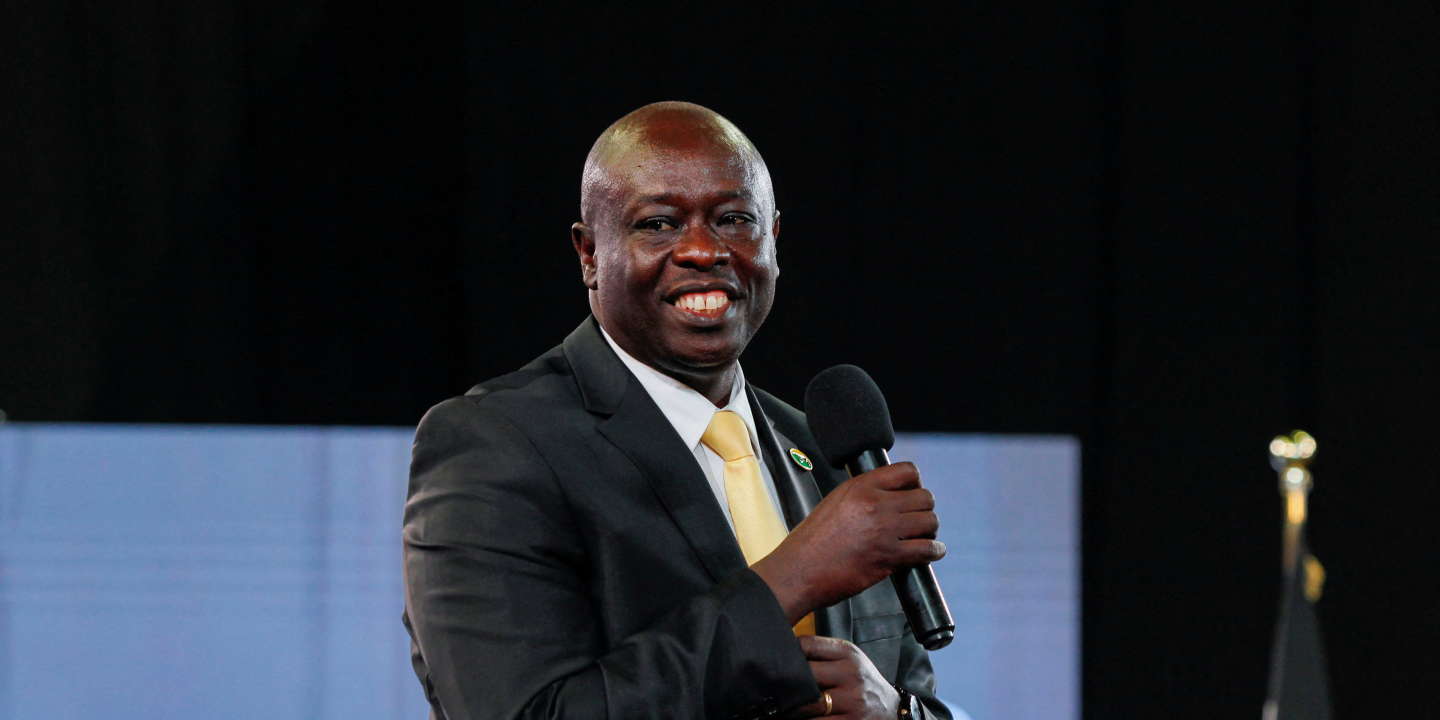
Deputy President Rigathi Gachagua
By Jerameel Kevins Owuor Odhiambo
Worth Noting:
- “Elections have significance. You cannot make noise talking ill of Ruto and after he wins you get in line to get benefits before those who were with him.” Gachagua said he had appointed himself as the guardian of state house and will ensure that all those who did not support Kenya Kwanza are locked out of all Government plum positions. “That is my work at State House; controlling that queue and deciding who is ahead of whom,” he added.
- Gachagua in his submissions added that even though the government would serve all Kenyans, it was prudent, fair and logical to reward its supporters with government appointments.
Collins Omulo in an article noted as follows on Mr. Gachagua, ‘Deputy President Rigathi Gachagua has fashioned himself as a vocal politician with a fierce tongue and a lethal sting to boot. He is only a first-term lawmaker, but Mr Gachagua is building a reputation of taking no prisoners, with no regard to one’s profile. President Uhuru Kenyatta knows this better, as he has been a recipient of the sharp tongue lashings. The self-proclaimed son of a former Mau Mau freedom fighter, who is 57-year-old, has an uncanny knack for stirring the hornets’ nest and showing little remorse. The unrepentant devotee of Deputy President William Ruto’s bottom-up economic model and his running mate designate in the August 9 General Election last week stirred controversy by saying that if the duo assume power, their focus will be on growing small businesspeople who are the majority instead of having one giant company, giving the example of Safaricom.’
That was last year. A keen observer will note that Gachagua tongue is laced with poison each time that he speaks. At times I told someone that whenever he stands to speak I can authoritatively walk out or decide to switch off the television. For am damn sure that ‘violence’ is forthcoming. Thus, to stay safe I avoid listening to him. That was the case recently. On 19th of February 2023, Deputy President Rigathi Gachagua declared that government appointments and contracts are a preserve of those who voted for Kenya Kwanza government. Gachagua said the Kenya Kwanza government will reward its staunch supporters and those who toiled to put the current government in office and give least consideration to members of the opposition and those coming from those regions.
“This government is a company that has shares. There are owners who have the majority of shares, and those with just a few, while others do not have any. You invested in this government and you must reap. You sowed, tilled, put manure and irrigated, and now it is time to reap,” the country’s second-in-command said. Gachagua who was speaking in Kericho said it was laughable that some members of the opposition had started trooping to State House seeking government positions.
He said even though the government will serve all Kenyans, it is prudent, fair and logical to reward its supporters with government appointments. “Some are criticising me for saying those who sowed reap first, but there is nothing wrong. Their time of reaping will come some day in what remains after those who sowed have finished reaping,” said Gachagua. Gachagua insisted that that those who voted the other way must learn a lesson about elections.
“Elections have significance. You cannot make noise talking ill of Ruto and after he wins you get in line to get benefits before those who were with him.” Gachagua said he had appointed himself as the guardian of state house and will ensure that all those who did not support Kenya Kwanza are locked out of all Government plum positions. “That is my work at State House; controlling that queue and deciding who is ahead of whom,” he added. Gachagua in his submissions added that even though the government would serve all Kenyans, it was prudent, fair and logical to reward its supporters with government appointments.
Following his remarks thereof, he faced backlash from an array of people. His statement irked legislators from the opposition and netizens alike who termed his submissions unfortunate. Suna East Member of Parliament Junet Mohamed wondered how every Kenyan was to pay taxes to a government owned by a few individuals. “If the Government of the Republic of Kenya has become a company with shareholders then how will all Kenyans pay taxes to a company belonging to two individuals?” he posed.
Narok Senator Ledama Olekina was equally not amused by Gachagua analogy. “How on earth can he say the government is like a company with a few shareholders?” he wondered. However, Kenya Kwanza elected leaders took to the defence of the Deputy President with Mbeere North lawmaker Geoffrey Ruku holding that Gachagua’s statement was justified. “What Gachagua is saying is that we have Kenyans who worked hard to put this government into place, and they are the ones who will get those positions. You cannot get people who don’t believe in the bottom-up to positions of leadership.”
From his sentiment one could decode that he alluding that only those who voted for Kenya Kwanza and campaigned as well as supported the current regime have the preserve of jobs, appointments and tenders from the government. Where does that put other citizens? Are some citizens children of a lesser God? It is imperative to note that this isn’t the first time that Gachagua’s tongue has evoked reactions. He is a master at that. Later on this week, Gachagua noted that the president will serve Kenyans equally after criticism over his remarks.
Words have power. Their meaning crystallizes perceptions that shape our beliefs, drive our behaviour, and ultimately, create our world. Their power arises from our emotional responses when we read, speak, or hear them. Words are currency of power. Hate speech has become part of political discourse, not only among populist and extremist groups but also across the political spectrum and information technology contributes to spreading and amplifying it. Hate speech dehumanises the individuals and groups it targets and makes them more vulnerable to discrimination; it erodes the social fabric and hinders peaceful living together in diversity. The most effective way of preventing hate speech and intolerance is to strengthen the principles of democracy, human rights and the rule of law, and to promote a model of society that embraces diversity and respects human dignity. Politicians have a vital role to play in combating hate speech and intolerance and bear a moral responsibility to do so.
Gachagua is just one of the many politicians with loose tongues. Political leaders need to get to the state of awareness whereby they think before speaking. Communication from politicians has the impact of influences an array of masses. Power is the ability to influence the behaviour of others with or without resistance by using a variety of tactics to push or prompt action. Power is the ability to get things done. People with power are able to influence others behaviour to achieve a goal or objective. Others may resist attempts to make them do certain things, but an effective leader is able to overcome that resistance. Although people may regard power as evil or corrupt, power is a fact of organizational life and in itself is neither good nor bad. Leaders can use power to benefit others or to constrain them, to serve the organization’s goals or to undermine them.
It can spur peace or war. To get to know that think of 2007/8 post-election violence as well as well the handshake in 2018 between Right Honourable Raila Amollo Odinga and Former President Uhuru Muigai Kenyatta. According to former BBC director general Mark Thompson, language is the cornerstone of politics and democracy, and when it deteriorates, we lose a lot more than just nice speeches. Historically, from the fall of Rome to the rise of authoritarianism, the breakdown of a common, civil way to communicate leads to the breakdown of society as a whole.
Jerameel Kevins Owuor Odhiambo is a law student at University of Nairobi, Parklands Campus.
Similar Posts by The Mt Kenya Times:
- Mt Kenya Times ePAPER October 22, 2026
- Ruto heads to Harare for COMESA summit on trade and regional security
- Mudavadi and Wetangula walk out as Sifuna speaks at Nabwera memorial
- Police accountability on trial as seven officers face probe over journalist’s arrest
- Learners, teachers graduate from thrive for good organic farming training
About the Author