


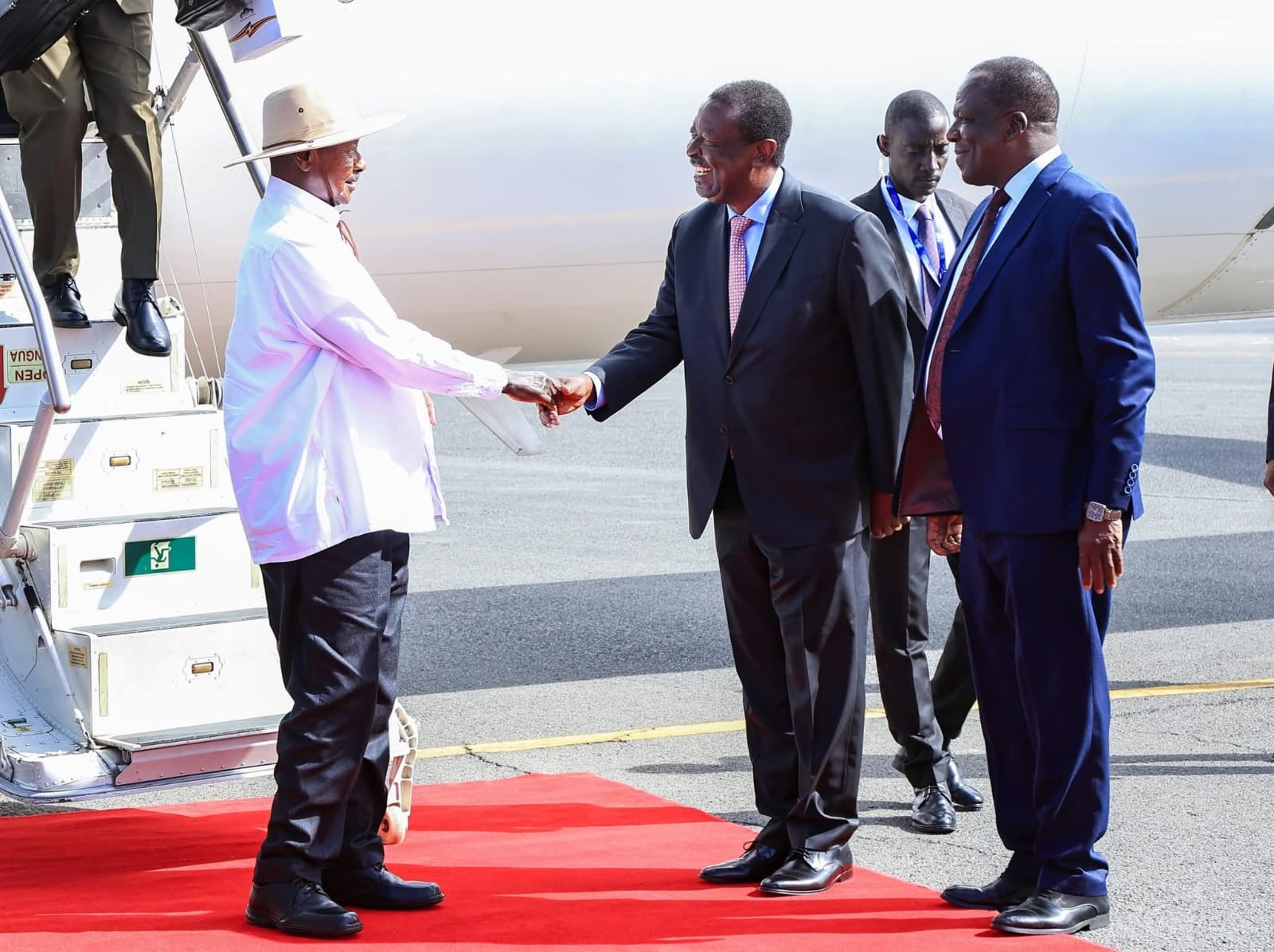
By MKT Correspondent Prime Cabinet Secretary Musalia Mudavadi has called for a united, society-wide approach to combating corruption, warning that rising bribery levels and declining public trust threaten Kenya’s governance, economic growth, and national cohesion. Speaking yesterday during the 16th Eastern Africa Association of Anti-Corruption Authorities (EAAACA) Annual General Meeting and Conference in Nairobi, Mudavadi cited findings from the 2025 Kenya National Gender and Corruption Survey that paint a troubling picture. According to the report, 84.3 per cent of bribes in Kenya are paid before services are delivered, effectively turning corruption into a “gatekeeper” for access to public services. Even more concerning, he noted, is that 98.6 per cent of those who paid bribes did not report the incidents, signaling a deep crisis of trust in public institutions. The average bribe also rose sharply from KSh4,878 in 2024 to KSh6,724 in 2025, a 38 per cent increase within a year. Mudavadi highlighted generational disparities in corruption experiences, revealing that citizens aged 65 and above are often forced to pay bribes just to access services, while those aged between 18 and 64 typically pay to expedite processes. He also pointed to corruption in employment, noting that the average bribe for securing a government job stands at Sh85,033, while promotion-related bribery averages Sh1,626. “This is theft of merit, morale, and public confidence,” Mudavadi said, warning that when effort is overshadowed by bribery, public service becomes compromised. Despite these challenges, Mudavadi expressed cautious optimism, noting that 31.9 per cent of citizens who refused to pay bribes did so on ethical grounds, demonstrating that integrity remains a strong value in society. Strong legal framework, weak implementation Mudavadi emphasized that Kenya has developed a robust legal and institutional framework to combat corruption. Key laws include the Anti-Corruption and Economic Crimes Act, which criminalizes corruption and economic crimes; the Ethics and Anti-Corruption Commission Act, which establishes the Ethics and Anti-Corruption Commission (EACC); and the Leadership and Integrity Act, which enforces ethical standards for public officers. Other critical laws include the Anti-Bribery Act, the Proceeds of Crime and Anti-Money Laundering Act, and the 2023 Anti-Money Laundering and Combating of Terrorism Financing Laws (Amendment) Act, which expanded disclosure requirements for beneficial ownership, including foreign companies. Mudavadi also cited amendments to the Companies Act and Beneficial Ownership Regulations, which require firms to disclose ownership structures, helping to curb illicit financial flows. These frameworks are supported by institutions such as the Financial Reporting Centre, the Assets Recovery Agency, and the Central Bank of Kenya, all of which play key roles in monitoring, enforcement, and recovery of illicit assets. Additional safeguards include the Witness Protection Act, which protects individualsi involved in legal proceedings, and the Virtual Asset Service Providers Act, which regulates digital financial transactions to address emerging risks. Mudavadi also highlighted the recently enacted Conflict of Interest Act, which introduces stricter disclosure requirements and tighter controls on public officers’ private interests, as well as the Public Benefits Organisations Act, which modernizes oversight of non-profit entities and addresses corruption risks in donor funding and procurement. Despite this extensive framework—comprising more than ten key laws—Mudavadi stressed that the main challenge lies in enforcement and implementation. He warned that some preventive measures, such as asset declarations by public officers, risk becoming mere compliance exercises without proper verification and enforcement mechanisms. Progress and persistent gaps Mudavadi pointed to progress made by the Ethics and Anti-Corruption Commission, which in its 2024/2025 report forwarded 175 investigation files to the Director of Public Prosecutions, secured 33 convictions, traced Sh22.9 billion in unexplained assets, recovered Sh3.4 billion, and prevented the loss of Sh16.5 billion in public funds. However, he warned that corruption is not confined to government institutions. It also exists in private corporations, civil society organizations, business networks, and even religious institutions, often facilitated by weak accountability systems and opaque financial flows. Citing global trends, Mudavadi noted that corruption is increasingly transnational, with illicit funds moving across borders through complex financial systems. Kenya’s efforts, he said, align with global standards set by the Financial Action Task Force (FATF), particularly in promoting transparency in beneficial ownership. Globally, the scale of corruption is staggering. The World Bank estimates that over $2.6 trillion—about 5 per cent of global GDP—is lost annually to corruption, while the United Nations puts the figure at $3.6 trillion in bribes and stolen funds. The Organisation for Economic Co-operation and Development (OECD) estimates that organizations lose about 5 per cent of revenue to fraud each year, with up to 25 per cent of public investment lost through procurement fraud. Regionally, Mudavadi referenced the 2025 Corruption Perceptions Index by Transparency International, noting that Seychelles ranks highest in Africa with a score of 68, while countries such as South Sudan and Somalia remain among the lowest performers. A collective responsibility Mudavadi stressed that fighting corruption requires participation from all sectors of society. He urged public servants to act with integrity, the private sector to reject bribery, civil society to maintain oversight, and the media to continue holding institutions accountable. “Each of us either strengthens the culture of integrity or feeds the culture of impunity. There is no neutral ground,” he said. He called for practical reforms including real-time data sharing between agencies, stronger verification of beneficial ownership, faster asset recovery processes, protection for whistleblowers, improved procurement systems, and more rigorous audits. At the regional level, he emphasized the importance of cooperation among anti-corruption agencies to enhance intelligence sharing and deny safe havens to criminals. Mudavadi concluded by warning that corruption is not just a governance issue but a fundamental threat to development, democracy, and economic competitiveness. He noted that in a rapidly evolving financial landscape, characterized by digital currencies and complex ownership structures corruption continues to adapt. “Corruption thrives where anonymity survives,” he said, adding that exposing hidden ownership structures is key to dismantling illicit networks and reclaiming stolen resources. He emphasized that the fight against corruption is ultimately about nation-building, warning that failure to address it will erode public trust,
Mudavadi calls for whole-of-society war on corruption amid rising bribery trends
Opposition intensifies pressure on Ruto government over health scheme, governance and accountability
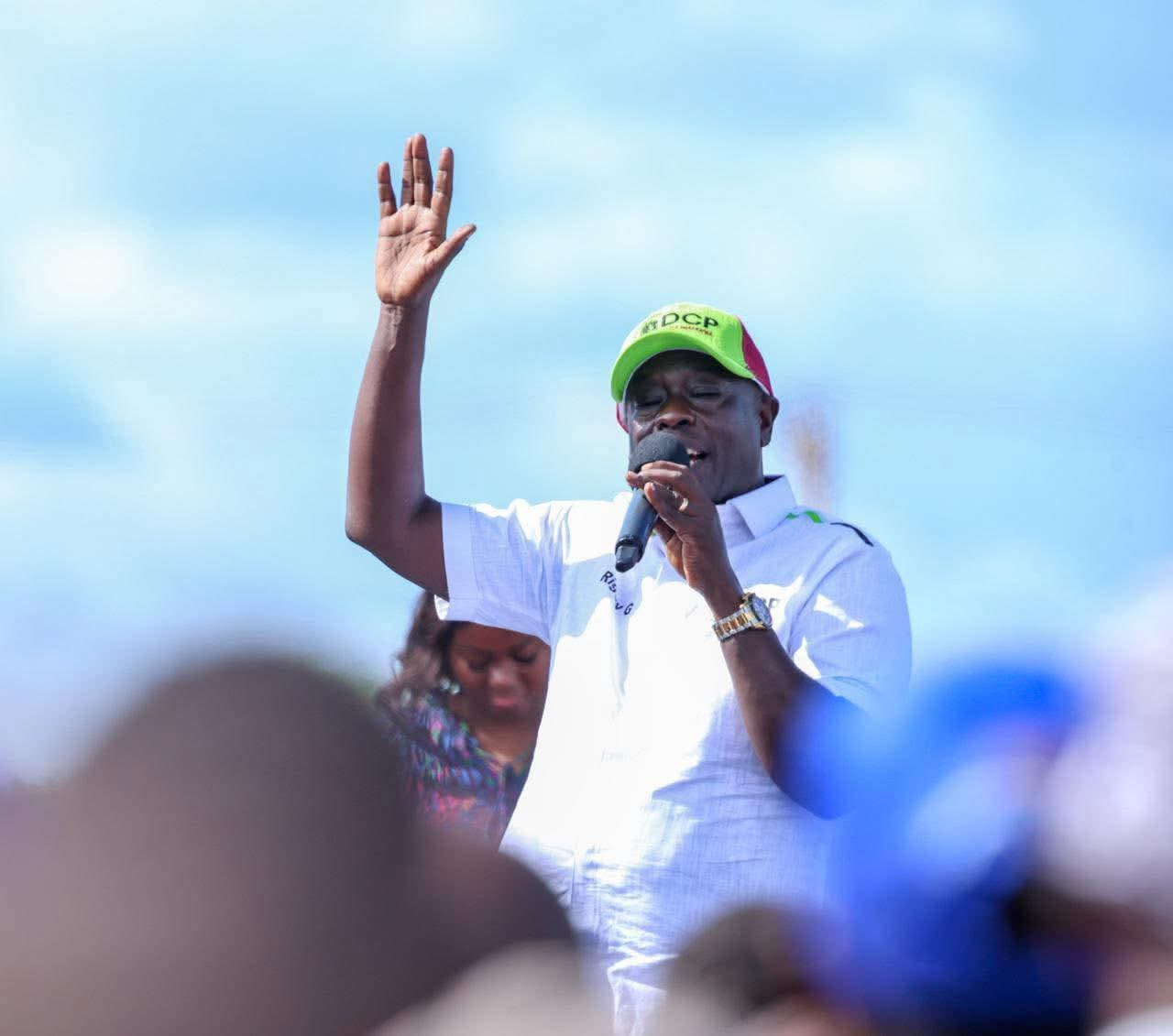
By WMW Opposition leaders under the United Alternative Government have escalated criticism of President William Ruto’s administration, accusing it of poor governance, failure to deliver essential services, and fostering a climate of impunity. Speaking yesterday during the continued coalition’s “Meet the People” tour in Kitui County, leaders led by Rigathi Gachagua faulted the government over the transition of teachers’ health insurance to the Social Health Authority (SHA), claiming the system is not functioning effectively and is causing hardship among teachers. Gachagua also alleged that teachers’ unions had been compromised, leaving educators vulnerable amid ongoing challenges in accessing healthcare services. The opposition further accused the government of tolerating lawlessness, with Gachagua condemning the alleged use of hired groups to invade private property and intimidate citizens. “These actions undermine the rule of law and expose ordinary Kenyans to insecurity,” he said. Echoing similar sentiments, former vice president Kalonzo Musyoka who hosted the opposition in his political backyard warned that continued tolerance of such actions could have serious international implications, including potential scrutiny by the International Criminal Court. Addressing residents across various constituencies in Kitui, Musyoka thanked locals for their turnout, describing it as a sign of growing public dissatisfaction with the current administration. “The people have spoken loudly. They are tired of unfulfilled promises and governance that does not prioritise their welfare,” he said, adding that the opposition remains committed to what he termed a mission to “rescue the country.” Musyoka also acknowledged support from other opposition figures, including Eugene Wamalwa and Justin Muturi, as well as local leaders in Kitui, saying their unity reflects a broader movement for political change. Wamalwa, on his part, warned against granting the current administration another term, arguing that such a move would have far-reaching negative consequences for the country. Meanwhile, Muturi raised fresh concerns over accountability within the ruling United Democratic Alliance (UDA), citing audit findings that allegedly revealed failure by party employees to remit statutory deductions, including contributions to SHA and the Housing Levy. He claimed that more than KSh60 million remains unaccounted for, terming the situation a “blatant betrayal of public trust.” “Failure to remit statutory deductions is a criminal offence. Leadership must be held accountable,” Muturi said, calling on UDA Secretary General Hassan Omar to respond to the allegations. He further criticized what he described as double standards, accusing the government of enforcing strict compliance on citizens while allegedly failing to adhere to the same rules internally. “You cannot demand sacrifice from Kenyans while shielding your own from the same obligations,” he added. The opposition leaders maintained that corruption, weak enforcement of policies, and lack of accountability have eroded public confidence in government institutions. They pledged to continue engaging citizens across the country, with the “Meet the People” tour set to proceed to the Coast region. The leaders said their campaign aims to mobilize public support while highlighting governance concerns, positioning themselves as an alternative leadership ahead of future political contests. The team is expected to embark on a similar forum in the coast region this weekend.
Kagwe cracks down on macadamia exploitation, launches coffee revival and secures Nyeri research hub
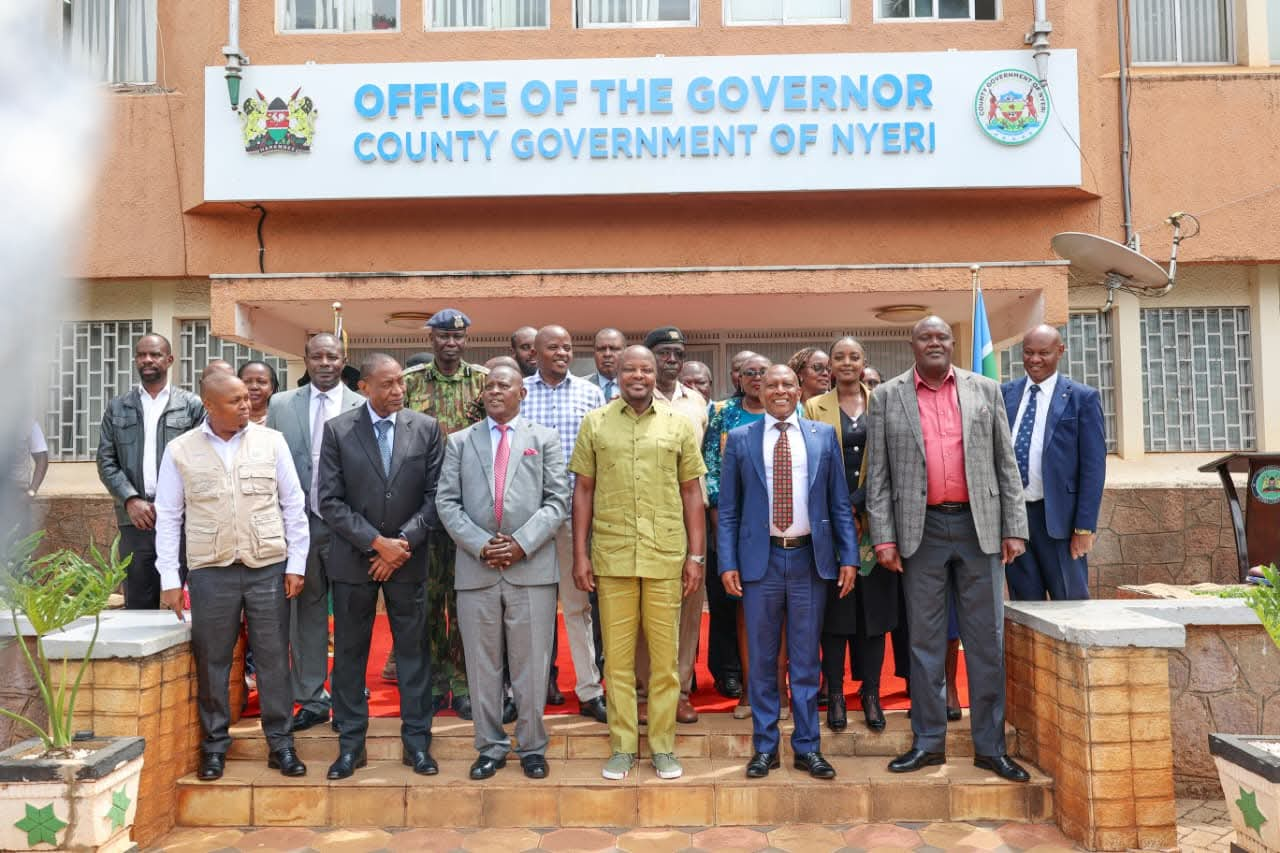
By WMW Agriculture and Livestock Development Cabinet Secretary Mutahi Kagwe yesterday issued a firm warning to macadamia processors, unveiled an ambitious coffee expansion programme, and announced sweeping reforms targeting mismanagement in cooperative societies, in a move aimed at boosting farmer incomes and strengthening Kenya’s agricultural sector. Speaking in Nyeri County yesterday, Kagwe directed processors to purchase all locally produced macadamia at the government-set minimum price of KSh100 per kilogram or risk the reopening of raw in-shell exports. He accused brokers of exploiting farmers by buying nuts at as low as KSh30 per kilo and reselling to processors at higher regulated prices. Kagwe said processors under the MacNuts Association of Kenya must absorb all local produce to sustain value addition, protect jobs, and ensure farmers receive fair returns. He also urged farmers to form cooperatives to strengthen their bargaining power. Tough measures to protect farmers The Cabinet Secretary further condemned theft of high-value crops such as coffee, avocados and macadamia, describing it as economic sabotage. He warned that such activities undermine livelihoods and threaten national food security. On cooperative governance, Kagwe took a strong stance against reckless borrowing by tea and coffee factories, noting that some have developed a pattern of taking unsustainable loans and later seeking government bailouts without accountability. “Government cannot continue writing off debts when there is no clear audit of how funds were used,” he said, adding that new regulations will now require factories to present viable business plans before accessing loans. He also challenged cooperative members to elect competent leaders capable of safeguarding farmer interests, emphasizing that poor leadership has contributed significantly to the collapse of some factories. Coffee expansion and sector reforms In a major boost to the coffee sector, Kagwe announced a nationwide recovery programme aimed at increasing production from 49,000 metric tonnes to 150,000 metric tonnes. The plan includes distribution of one million coffee seedlings in Nyeri and an additional 10,000 seedlings to top-performing factories in every county. He said the initiative will also focus on rehabilitating old coffee trees and encouraging new planting, as improved prices renew farmer interest in the crop. Among the beneficiaries is Gachatha Coffee Factory, which paid farmers KSh155 per kilo and received 200,000 seedlings worth over KSh12 million in recognition of its performance. Kagwe noted that reforms under a new legal framework are underway, including the transition of the Coffee Directorate under the Agriculture and Food Authority into the Coffee Board of Kenya. The Coffee Research and Training Institute will operate under the new structure to enhance research and farmer advisory services. Nyeri secures first agricultural research hub In a significant development for the region, Nyeri Governor Mutahi Kahiga allocated 20 acres of land to the Kenya Agricultural and Livestock Research Organization (KALRO) for the establishment of the county’s first agricultural research station. KALRO board chairman Dr Thuo Mathenge said implementation will begin immediately, with the centre, situated near Naromoru town, along Nyeri-Nanyuki highway expected to focus on both crop and livestock innovation. Kagwe said the research hub will play a key role in boosting productivity, particularly in semi-arid areas such as Kieni, by promoting modern farming techniques and innovation. He emphasized that with limited land and a growing population, research and technology will be critical in increasing food production. The county government has also set aside additional land for the Kenya School of Agriculture and the Kenya Plant Health Inspectorate Service (KEPHIS), signaling deeper collaboration between national and county governments. Kagwe said such partnerships are essential to transforming agriculture, increasing farmer incomes, creating jobs, and securing Kenya’s long-term food security. The CS was accompanied by several government and political leaders led by Nyeri Senator Wahome Wamatinga.
Government moves to end health scheme disruptions for Civil servants
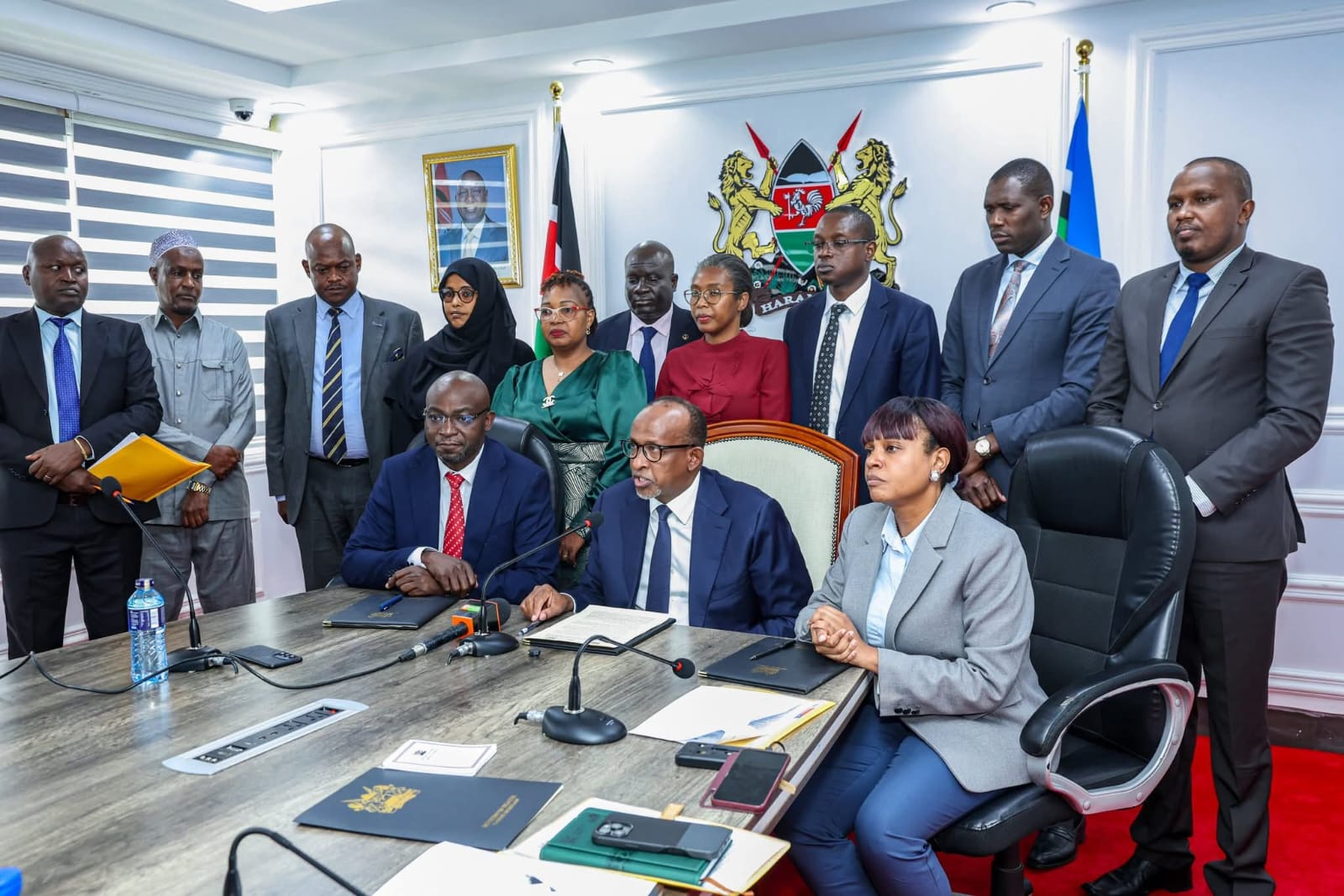
By MKT Reporter The government has announced sweeping measures to restore order and confidence in the delivery of healthcare services to civil servants under the Public Officers Medical Scheme Fund (POMSF), following mounting concerns over service disruptions and unlawful charges. In a joint communiqué issued after a consultative meeting, the Ministry of Health Kenya, the Social Health Authority (SHA), and the Union of Kenya Civil Servants (UKCS) outlined a series of binding resolutions aimed at addressing operational challenges that have recently plagued the scheme. The meeting comes in the wake of alarming reports that some civil servants had been detained in hospitals over unpaid bills, while others were subjected to unauthorized co-payments despite being covered under the scheme. Leading the government delegation, Health Cabinet Secretary Aden Duale acknowledged the gravity of the situation, describing the incidents as unacceptable and contrary to the principles of universal and equitable healthcare access. Among the key resolutions is a firm reassurance that the government has not reduced medical benefits for civil servants. Officials confirmed that outpatient cover exceeding KSh70,000 depending on job group alongside comprehensive dental and optical benefits, remains fully intact for over 120,000 principal members and their dependents. To immediately ease pressure at health facilities, SHA announced the withdrawal of the controversial “tariff locking” system, which had been blamed for delays and confusion in service provision. During the interim period, all contracted facilities have been expressly prohibited from charging civil servants any out-of-pocket expenses. “This directive is anchored in the existing contractual obligations between SHA and healthcare providers,” said SHA Chief Executive Officer Mercy Mwangangi, adding that strict compliance will be enforced to protect beneficiaries. The communiqué further emphasized that enforcement of tariff provisions under existing contracts will remain suspended pending further review, signaling a shift toward a more flexible and responsive system. In a move to enhance transparency and accessibility, SHA also committed to publishing a comprehensive list of all contracted POMSF facilities on its official platforms, enabling civil servants to make informed choices when seeking care. At the same time, authorities underscored the need for fiscal discipline to safeguard the sustainability of the fund. Planned interventions include rigorous claims audits to detect fraud, quarterly utilization reviews, and continuous monitoring of loss ratios. The agency will also streamline its provider network, retaining only facilities that meet clinical standards and adhere to agreed pricing structures. Speaking on behalf of workers, UKCS Secretary General Lawrence Nyaguti Ochieng welcomed the resolutions, expressing cautious optimism that the measures would restore dignity and reliability in healthcare access for civil servants. All parties reaffirmed their commitment to protecting the health and welfare of public officers, emphasizing that efficient healthcare delivery remains a cornerstone of a productive public service.
Othaya residents to receive thousands of fruit seedlings
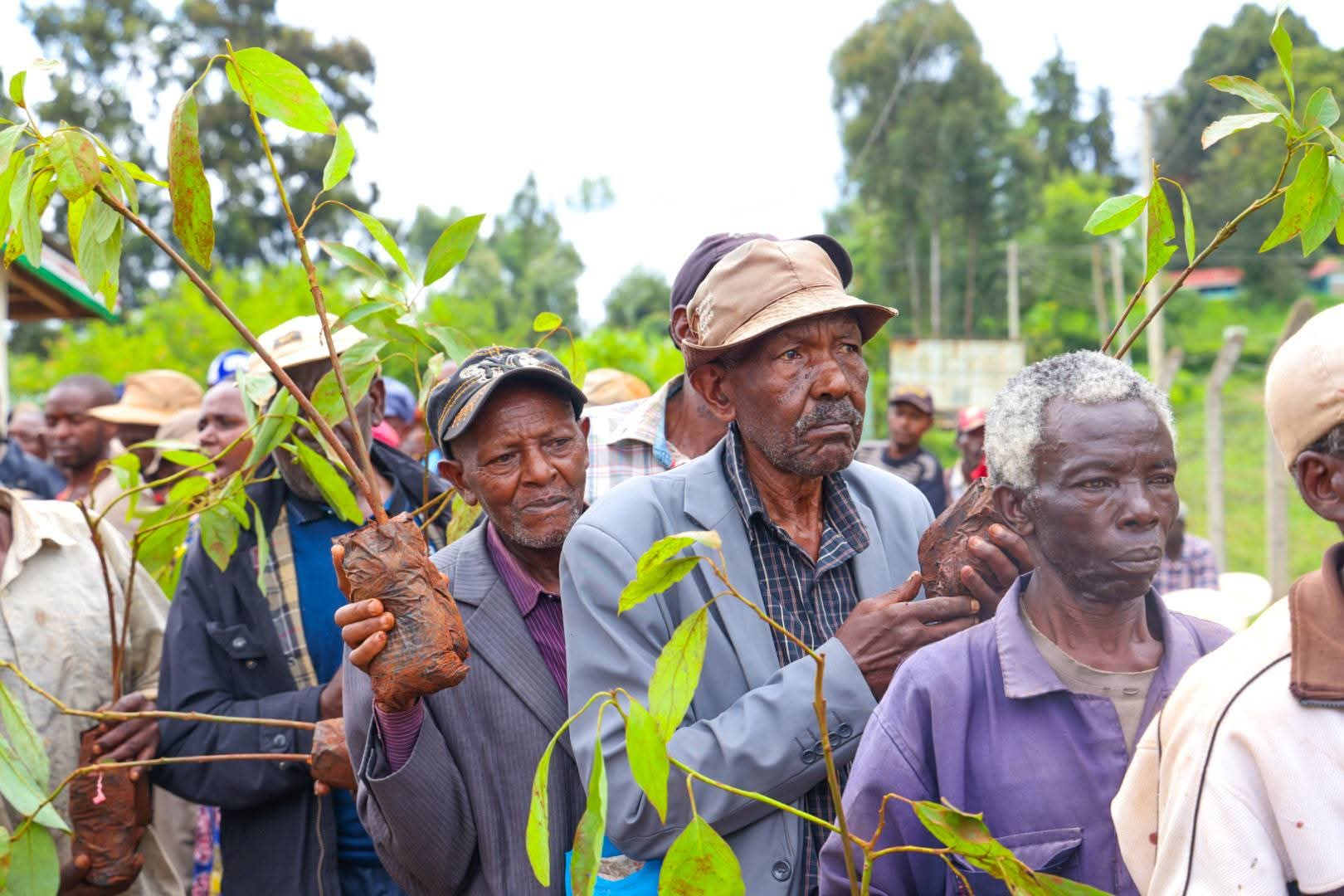
By MKT Correspondent A tree-planting initiative aimed at boosting livelihoods and environmental conservation has been rolled out in Othaya Constituency, with 5,000 Hass avocado seedlings distributed to farmers in Chinga and Karima wards. The exercise, led by area Member of Parliament, Wambugu Wainaina alias Kírīma through the Wambugu Wainaina Foundation, is part of efforts to promote agribusiness and enhance household incomes while supporting sustainable land use. Speaking during the distribution, one of the MP’s aide Macharia Joel said the initiative is designed to empower farmers economically by encouraging adoption of high-value crops such as Hass avocados, which have strong market demand locally and internationally. He noted that beyond environmental benefits, the programme is intended to create long-term economic opportunities for residents by diversifying income sources and strengthening the local economy. Speaking to this publication, the MP also reaffirmed his commitment to ensuring equitable distribution of development projects and empowerment programmes across all wards in the constituency. A similar exercise is scheduled to take place place today in Iriaini and Mahiga wards as part of the ongoing rollout. Farmers thanked the MP for his continued initiatives of empowering them. A similar exercise was carried out last year where thousands of the constituents also benefitted.

Mt Kenya Times ePAPER April 24, 2026
Click here to Read>>> Click here to Download ePaper>>>
Kenya Cultural Centre faces Parliamentary scrutiny on various issues
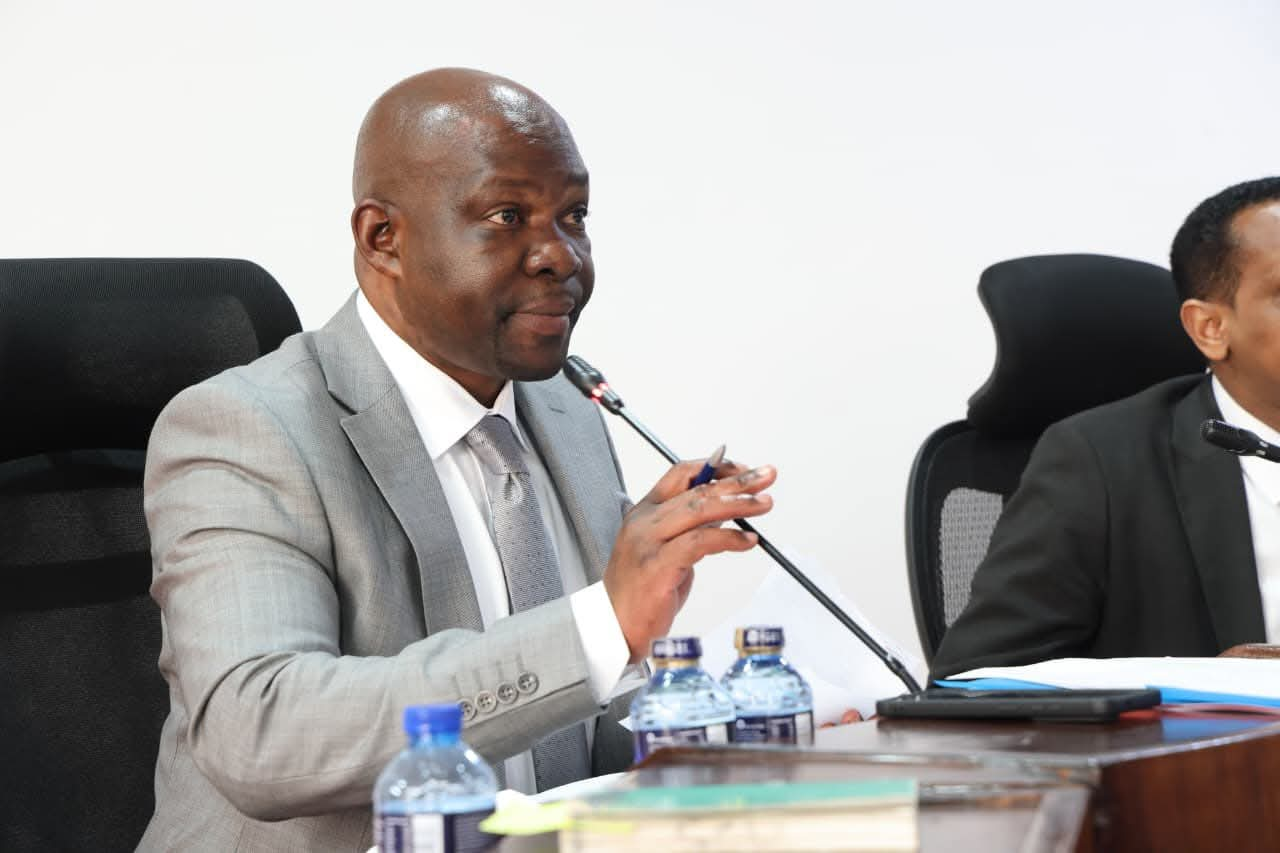
By MKT Correspondent The management of the Kenya Cultural Centre (KCC) came under intense scrutiny from the Public Investments Committee on Social Services, Administration and Agriculture (PICSSAA) following damning audit queries that exposed financial distress, unresolved land ownership issues, and long-standing governance weaknesses. Appearing before the committee yesterday, KCC officials were grilled over reports by the Auditor General covering the financial years ending June 2014 and June 2025. The reports paint a troubling picture of an institution struggling with insolvency risks and outdated legal frameworks. The Auditor General warned that the institution is technically insolvent after recording a negative working capital of KSh14.3 million in the 2024/2025 financial year. During the period, KCC posted expenditure of KSh402.7 million against revenues of KSh390.6 million, raising concerns about its long-term financial sustainability. Appearing before the committee chaired by Vice Chairperson Caleb Amisi, management attributed the deficit to financial constraints and said discussions were ongoing with the National Treasury to secure additional funding to stabilize operations. Lawmakers also raised serious concerns over the Centre’s failure to provide ownership documents for its prime land and buildings, including the Kenya National Theatre and adjoining property valued at KSh333.9 million in the latest valuation. The institution admitted it had not updated valuation reports, citing delays by the Ministry of Public Works. A long-standing dispute with the Kenya Conservatoire of Music also resurfaced, with auditors noting unpaid rent amounting to KSh248,400 dating back to an 18-year period between 1960 and 1978 under a 1961 lease agreement. KCC management said it was seeking legal guidance from the Attorney General to resolve the matter. The audit further flagged systemic governance weaknesses, noting that KCC continues to operate under the Kenya Cultural Centre Act of 1951, which has been described as outdated and redundant. Although a new Bill has been drafted, its progress has stalled due to funding constraints for public participation. Staffing shortages also emerged as a major operational challenge, with the Centre operating at only 45 percent capacity, employing 39 staff out of an approved 86. Some departments reportedly rely on a single officer to handle multiple functions, raising concerns over internal control risks. The committee directed KCC to develop a clear roadmap for financial recovery, operational efficiency, and legal reforms while urging continued engagement with the National Treasury for sustainable funding. In the same session, PICSSAA also questioned the National Drought Management Authority over procurement irregularities, questionable allowances, and infrastructure projects undertaken without proper land agreements, signalling broader concerns over public sector governance and accountability.
Mount Kigali University, JKUAT sign key academic collaboration agreement
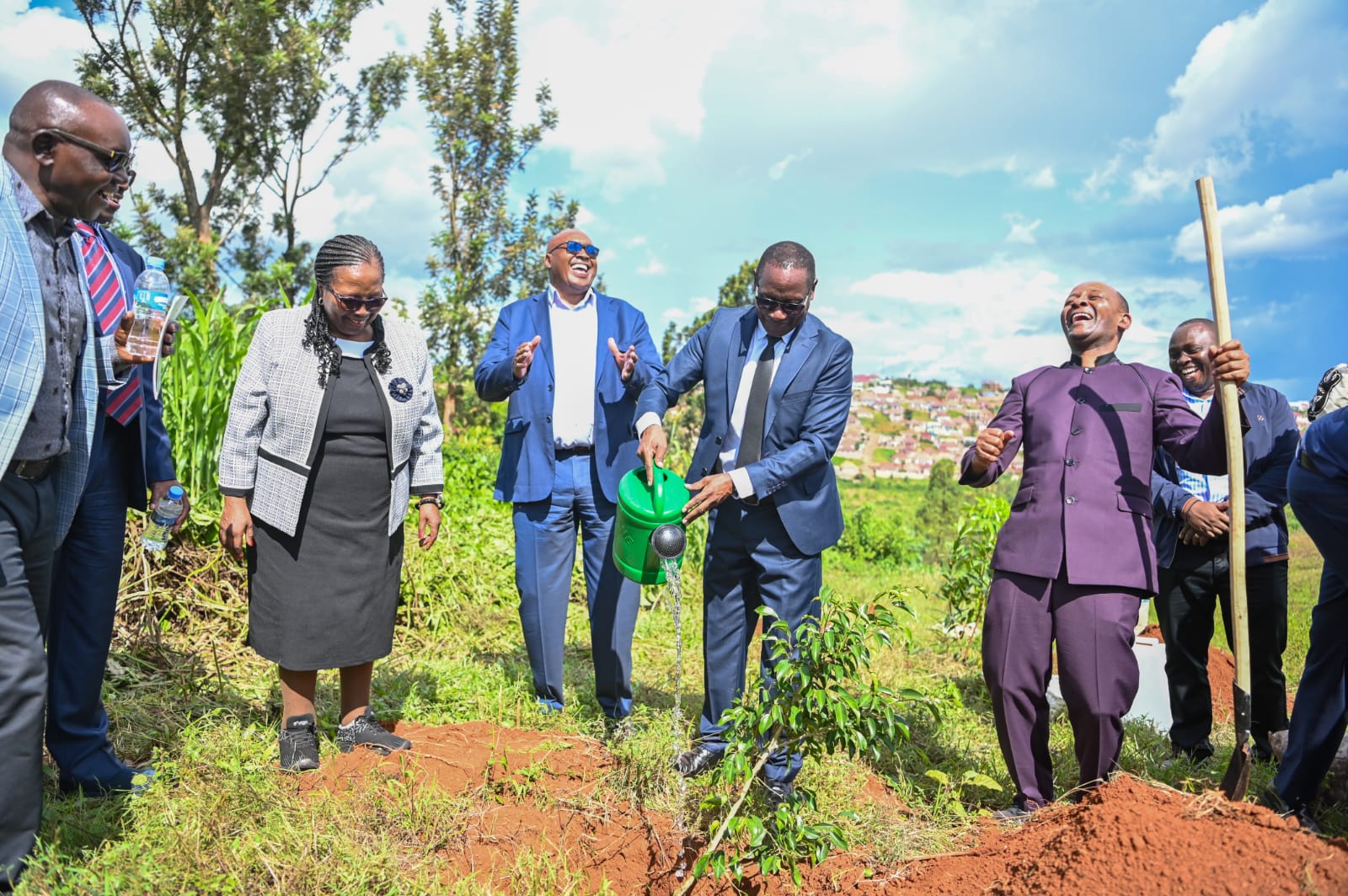
By James Wakahiu Mount Kigali University (MKU), Rwanda, and Kenya’s Jomo Kenyatta University of Agriculture and Technology (JKUAT) have formalised a strategic academic partnership aimed at advancing applied research, innovation and regional higher education collaboration. The partnership was sealed through the signing of a Memorandum of Understanding (MoU) during an official ceremony held in Kigali. The agreement establishes a framework for joint academic programmes, collaborative research initiatives, and structured faculty and student exchange programmes between the two institutions. The collaboration seeks to strengthen training in industrial and applied research while fostering cross-border knowledge sharing and innovation within the East African region. By combining JKUAT’s strengths in science, technology and engineering with Mount Kigali University’s growing academic and research portfolio, the partnership is expected to create new opportunities for students, researchers and faculty members in both countries. The MoU was signed by Prof. Victoria Wambui Ngumi, Vice Chancellor of Jomo Kenyatta University of Agriculture and Technology and Dr. Martin Kimemia, Vice Chancellor of Mount Kigali University. Speaking during the ceremony, Mount Kigali University Founder and Chairman, Prof. Simon Gicharu, said the collaboration reflects a shared commitment to excellence, innovation and regional development. “This partnership demonstrates the power of collaboration in higher education. Institutions can achieve greater impact when they work together to advance knowledge, research and skills development for the region,” he said. Prof Gicharu noted that the partnership reflects shared values of excellence, innovation and regional development. It also demonstrates a recognition that institutions can achieve far more when they work together than when they operate independently. Partnerships are not just agreements; they are commitments to grow together,” he added. As part of the event, the MKU Board of Directors also officially handed over the Karembbure Happy Valley university grounds to Mount Kigali University administration. The facility will support academic events, student recreational activities, and extracurricular programmes, contributing to holistic student development and enhanced campus life. The grounds will serve both the university and the nearby Kigali Paramount Hotel for extracurricular and recreational activities. Prof. Gicharu said the land was acquired as a strategic investment intended to support the university’s long-term growth. It will also provide a permanent venue for celebrating students’ academic achievements and hosting recreational facilities. Prof. Gicharu said the investment in expanded facilities underscores the university’s long-term vision to create an enabling academic environment that supports teaching, research, innovation, and student well-being. Members of the university community also took part in a tree-planting exercise at the grounds, symbolising growth, continuity and the institution’s long-term vision. The MKU–JKUAT partnership marks an important milestone in strengthening regional academic integration and positions both universities as key contributors to future-ready education, research excellence and socio-economic development in East Africa. Mount Kigali University is a fully- fledged institution of higher learning in Rwanda, committed to excellence in teaching, research, and innovation. The university offers a range of undergraduate and postgraduate programmes designed to meet regional and global workforce needs. On its part, JKUAT is a leading public university in Kenya renowned for its focus on science, technology, engineering, agriculture, and applied research.
Nyeri to host key agriculture MoU signing between County government and KALRO
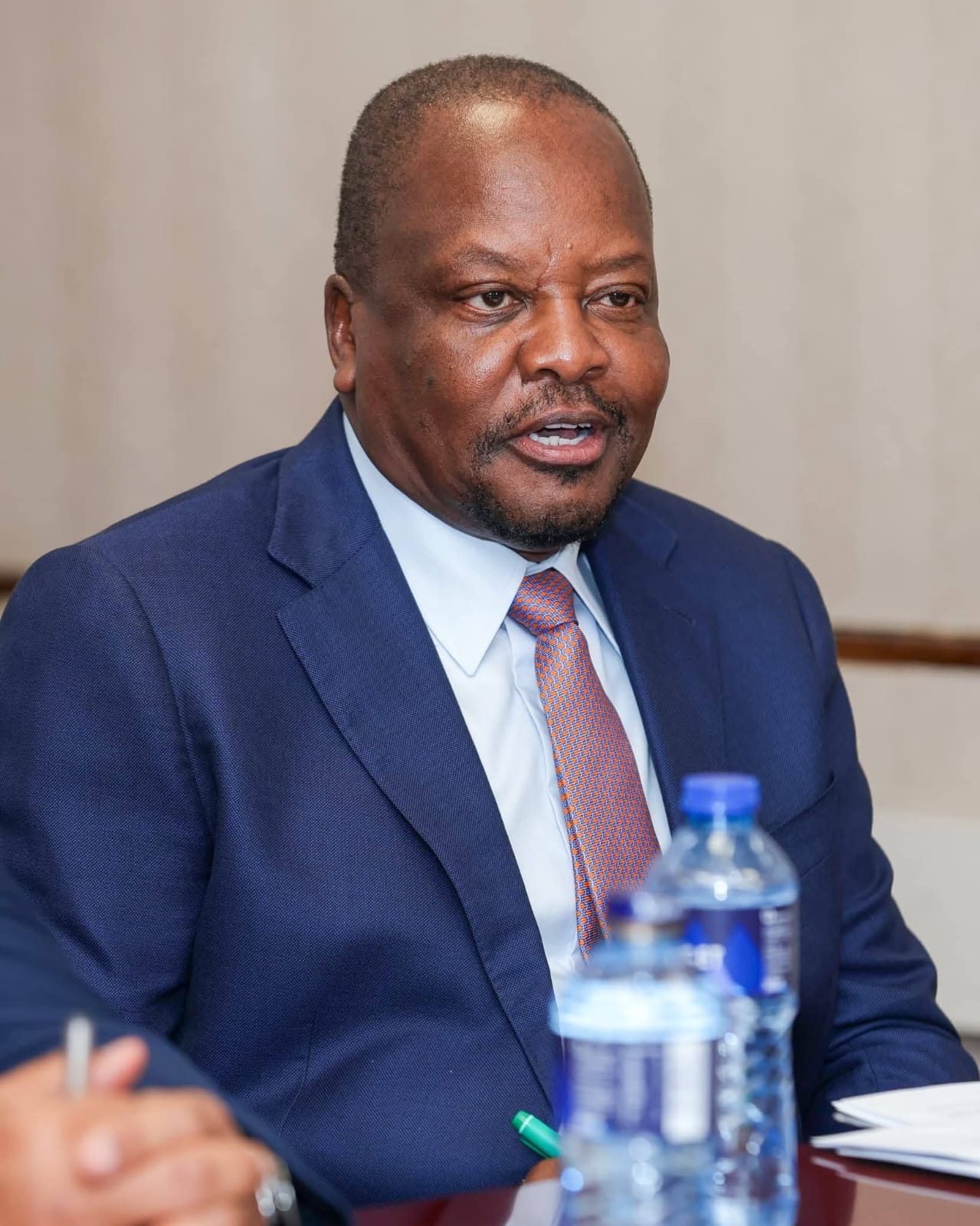
By WMW Cabinet Secretaries Mutahi Kagwe and Wycliffe Oparanya are expected in Nyeri County today for the signing of a major Memorandum of Understanding (MoU) aimed at transforming agriculture and livestock development in the region. The agreement will be signed between the County Government of Nyeri and the Kenya Agricultural and Livestock Research Organization (KALRO), with Governor Mutahi Kahiga hosting the event. Background to the partnership The collaboration stems from discussions held on October 13, last year, when the county hosted a KALRO delegation led by its board chairman Dr Thuo Mathenge. The meeting focused on strengthening cooperation in agricultural and livestock activities to improve livelihoods for residents. As part of the agreement, Nyeri County has committed to allocating 20 acres of land at the Agriculture Machinery Station (AMS) in Narumoru for the establishment of a KALRO research centre. The land will be provided for an initial period of 20 years at a nominal cost. Key objectives The MoU seeks to formalize collaboration between the two institutions and establish a framework for advancing agricultural research, innovation, and sustainability. The proposed KALRO centre will serve as a hub for disseminating research-based technologies, innovations, and management practices to farmers in Nyeri and neighbouring counties. The partnership will also focus on building capacity among farmers and agricultural officers through training, demonstrations, and extension services. Additionally, it aims to enhance productivity, promote sustainable farming practices, and improve access to both local and international markets. Areas of collaboration Under the agreement, both parties will work together in several key areas, including research and development, resource mobilization, technology transfer, and policy advocacy. Joint research programmes will be developed to address local agricultural challenges, while validation and testing of agricultural technologies will ensure their effectiveness and adaptability. The collaboration will also support farmers in accessing broader markets and facilitate trade development. Training programmes will be rolled out to equip farmers with skills in modern farming practices, post-harvest management, and market systems. Roles and responsibilities KALRO will be responsible for establishing and managing the research centre, conducting applied research, and implementing training and capacity-building programmes. It will also mobilize resources and partnerships to sustain the initiative, as well as promote environmental conservation through innovative projects. On its part, the Nyeri County Government will provide the land, facilitate site development, and offer logistical and administrative support. The county will also help identify priority areas for research and coordinate with relevant departments to ensure effective implementation of the programme. Long-term Impact The MoU will be valid for an initial 20-year period, with provisions for developing specific agreements for individual projects under the partnership. Leaders say the initiative is expected to significantly boost agricultural productivity, enhance food security, and create economic opportunities for farmers in Nyeri. By integrating research, innovation, and market access, the partnership aims to position the county as a leader in modern, sustainable agriculture. The signing ceremony marks a major step in aligning county-level development with national agricultural transformation goals, with stakeholders expressing optimism that the collaboration will deliver long-term benefits to farmers and the broader economy. After the signing ceremony, the team will head to Gachatha coffee factory where they will preside over giving out of coffee seedlings to farmers.
Bumula MP Jack Wamboka suspended over bribery allegations as Parliament orders probe
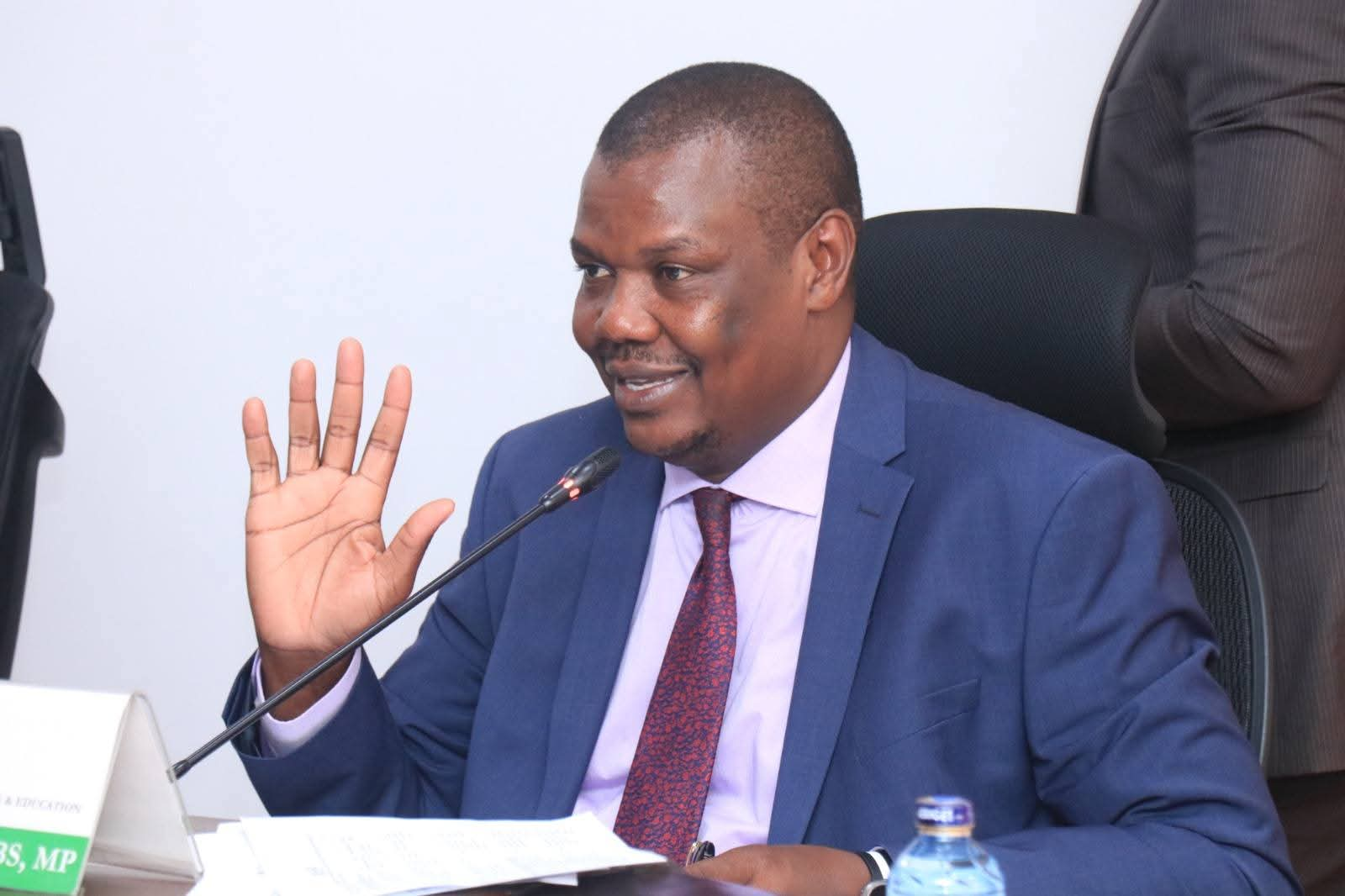
By MKT Reporter Bumula Member of Parliament Jack Wamboka was yesterday suspended from chairing the Public Investments Committee on Governance and Education following serious allegations of soliciting bribes from witnesses appearing before the committee. The decision was communicated by National Assembly Speaker Moses Wetang’ula through Deputy Speaker Gladys Boss after mounting complaints were lodged with the Speaker’s office and forwarded to the Parliamentary Powers and Privileges Committee for investigation. According to the complaints, witnesses who had appeared before the committee accused Wamboka of demanding bribes as a precondition for being granted audience or receiving favourable consideration during committee proceedings. The allegations were also echoed in a formal protest by the National Cohesion and Integration Commission (NCIC), which cited what it termed as open hostility, harassment, and demeaning treatment of its officers when they appeared before the committee. In response, the Speaker directed the Leader of Minority to nominate an interim chairperson by today, noting that the committee’s vice chairperson is a newly sworn-in member and therefore not fully positioned to take over leadership’s immediately. The Powers and Privileges Committee has been tasked with investigating the matter and is expected to table its report within 45 days. The committee’s findings will determine whether further disciplinary action will be taken against the legislator. The suspension marks a significant development information Parliament’s ongoing efforts to enforce accountability and integrity within its committees, especially those handling public oversight and governance matters. Meanwhile, Parliament has maintained that the probe will be conducted in accordance with due process, allowing all parties involved to present evidence and defend themselves before any final decision is made. The allegations against Wamboka come at a time when Parliament has been under increasing scrutiny over ethics and conduct of lawmakers, with calls for stricter enforcement of integrity standards in public service. If the allegations are substantiated, the case could set a precedent for how misconduct within parliamentary committees is handled going forward.


