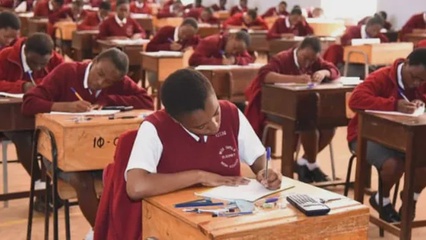
Kenya’s universities reopen: The long road to academic recovery after the lecturers’ strike
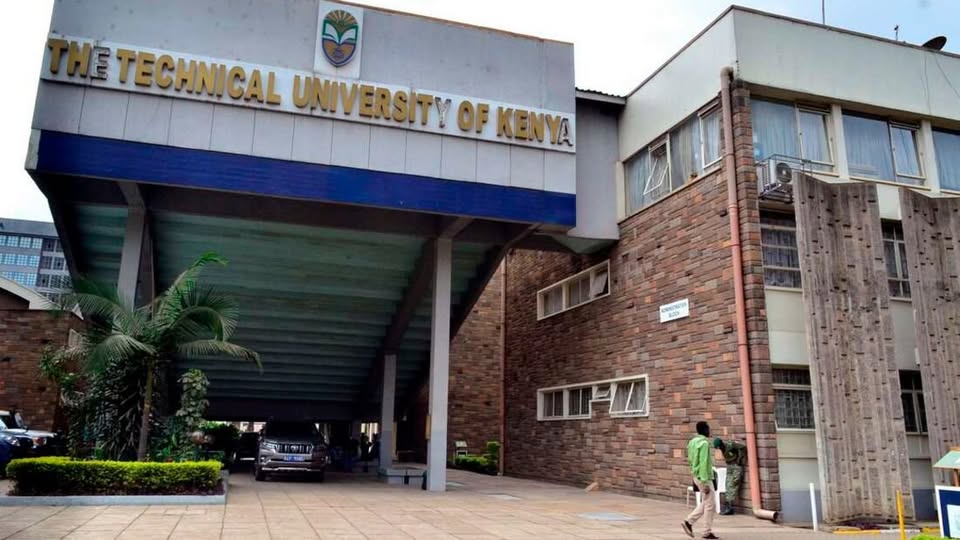
Technical University of Kenya
Thousands of students return to campus on Monday after a four-week shutdown — but resuming lectures is only the first step in a recovery that will test institutions, government, and families alike
By Collins Kibet
Kenya’s public universities yesterday began preparing to reopen on Monday after a nationwide lecturers’ strike lasting nearly four weeks was suspended following a KSh20 billion government settlement with university staff unions, leaving thousands of students facing the immediate challenge of recovering lost academic time without sacrificing the quality of their education.
The strike, which began on 2 October 2026, paralysed learning across 35 public universities after negotiations between the government and three unions — the Universities Academic Staff Union (UASU), the Kenya Universities Staff Union (KUSU), and the Kenya Union of Domestic, Hotels, Educational Institutions, Hospitals and Allied Workers (KUDHEIHA) — collapsed over the implementation of the 2025–2029 Collective Bargaining Agreement. The core dispute centred on salary adjustments and financial commitments the unions argued the government had failed to honour. An initial government offer of approximately KSh12 billion was rejected outright. It took another three weeks of difficult negotiations before a breakthrough came on 28 October, when UASU Secretary-General Constantine Wasonga confirmed that an agreement on the financial component had been reached. “We have reached an understanding,” Wasonga announced, paving the way for a return to classes.
The suspension of the strike was welcome news, but it resolved only one layer of a deeper problem. Universities must now do what no administrative announcement can accomplish overnight: restore academic normality to a calendar that lost nearly a month of structured learning. Lectures, practical sessions, industrial attachments, coursework submissions, and examination timetables have all been disrupted. The question facing every vice-chancellor and academic registrar in Kenya is not merely when to reopen, but how to reopen responsibly.
Some institutions have moved quickly. The Technical University of Kenya announced that normal academic activities would resume on today (Monday) at 7 a.m., while the University of Eldoret similarly instructed students to return on the same date and confirmed that timetables would be revised to recover lost ground. These are encouraging first steps, but reopening a gate is not the same as restoring a semester. Students need time — time to absorb course content, complete assignments, prepare for examinations, and engage meaningfully with their lecturers. An excessively compressed calendar risks creating a pressure cooker environment that serves neither learners nor teaching staff well, and universities must resist the temptation to rush through course material simply to meet administrative deadlines.
The human cost of the strike runs deeper than missed lectures. For many students — particularly those from low-income households — the four-week closure meant an unplanned return home, additional transport costs, and continued dependence on parents, guardians, and relatives who had already paid accommodation fees and university-related expenses before the shutdown began. Students who supplement their education through casual work or small businesses found their routines and incomes further disrupted. Returning to campus this week means another round of expenditure on accommodation, food, transport, and learning materials, at a moment when many families have already stretched their budgets thin. Like most Kenyans, many of these students come from households where farming and informal income sources provide the financial cushion — a cushion that a prolonged, unexpected absence can rapidly deplete.
The government must reckon honestly with this reality. Industrial disputes in universities are never merely a matter between employers and employees. Students are the central stakeholders in the education system, yet they consistently absorb the heaviest burden when negotiations collapse. Their academic progress, financial stability, and psychological well-being cannot be treated as secondary considerations in labour disputes that are fundamentally about their future.
The KSh20 billion agreement also forces a broader conversation about the financial sustainability of public universities. Institutions that cannot predictably fund staff salaries, maintain infrastructure, or purchase learning materials will inevitably cycle through the same crises. The government must establish a transparent mechanism for implementing collective bargaining agreements before disagreements reach breaking point — one that brings together the Ministry of Education, university management, staff unions, and student representatives in regular structured dialogue, rather than crisis-driven negotiation.
Equally important is clear communication from university administrations. Every institution should publish an updated academic calendar outlining revised lecture schedules, examination dates, practical session arrangements, and semester completion timelines. Clarity reduces anxiety. Students who know what to expect can plan effectively; those left in the dark spend energy managing uncertainty rather than studying.
Lecturers themselves will need to be supported, not stretched. Make-up sessions and additional teaching hours are reasonable recovery tools, but they must be implemented thoughtfully. Quality education depends on adequate preparation and meaningful assessment, not the mechanical completion of a syllabus under duress. Exhausted lecturers do not produce engaged students.
Students, for their part, carry a responsibility too. Consistent attendance, proactive engagement with revised timetables, and constructive communication through student leadership will all be essential in navigating the weeks ahead. The recovery is a shared undertaking.
The conclusion of the strike should be understood as a starting line, not a finishing tape. Kenya cannot sustain a higher education system that lurches from industrial action to temporary settlement and back again, with students paying the price each time. The KSh20B agreement offers a genuine opportunity to rebuild confidence in public universities — but its true measure will not be found in the return of lecturers to classrooms on Monday morning. It will be found in the months that follow: in improved working conditions, predictable academic calendars, adequate institutional funding, and uninterrupted learning for the young Kenyans who have already waited long enough.
Similar Posts by The Mt Kenya Times:
- Mt Kenya Times ePAPER November 3, 2026
- Kang’ata: ‘I turned down the Deputy President’s job — it was a trap’
- World Bank’s KSh26B project to restore Kenya’s degraded landscapes and transform 750,000 lives
- Wiper sets final deadline for 2027 aspirants as Kenya’s electoral race begins in earnest
- Kalonzo draws his line in the sand
About the Author