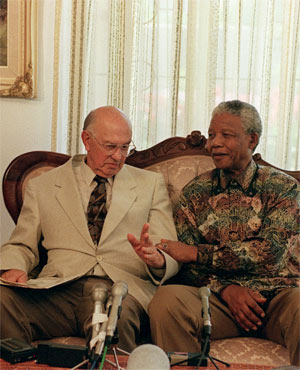
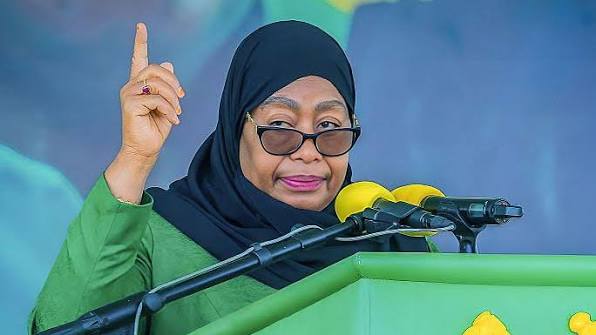
Winnie Madikizela-Mandela, Stompie Seipei and an apology that took nine years
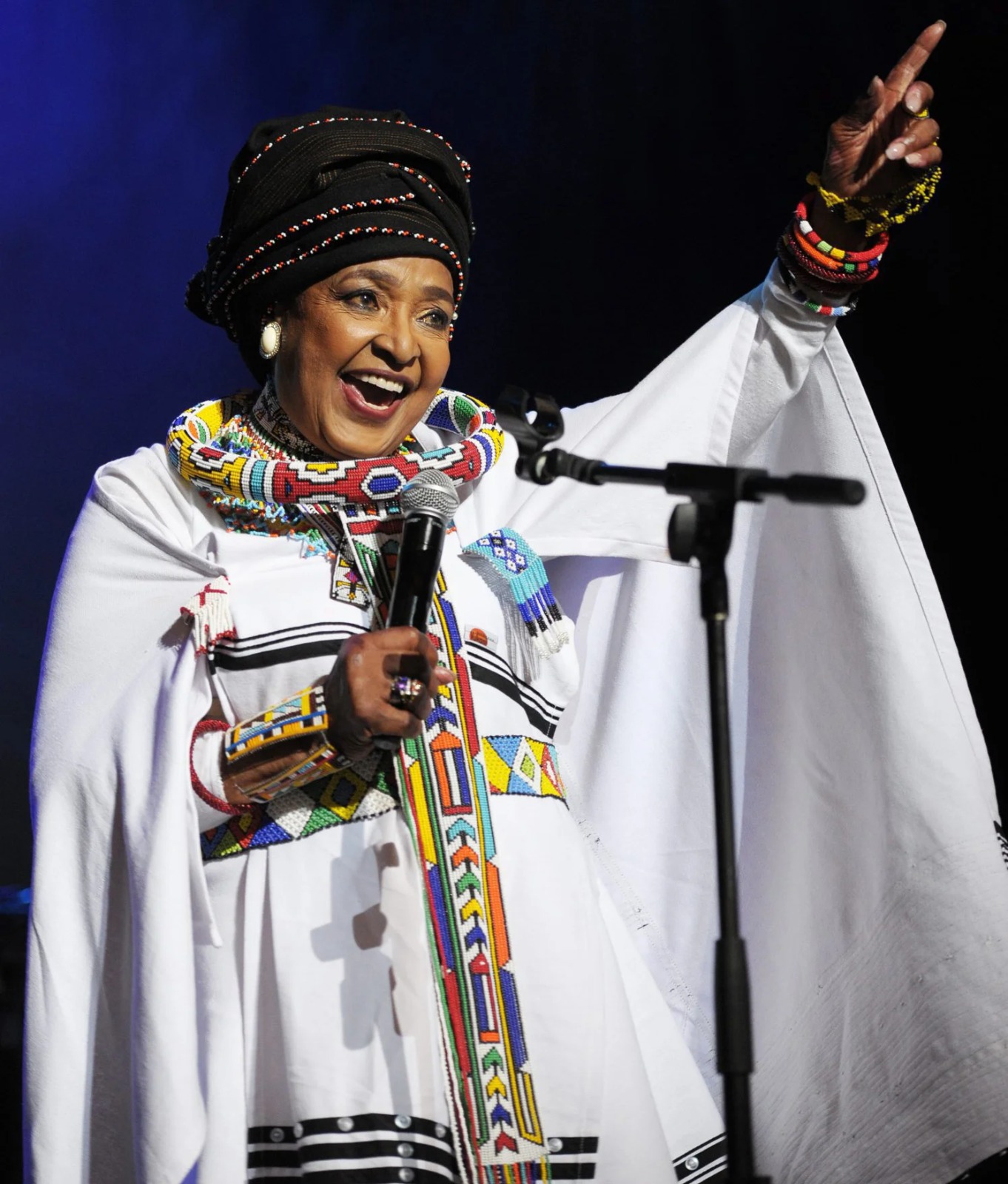
Winnie Madikizela-Mandela
How the death of a 14-year-old boy and Archbishop Tutu’s televised plea exposed the fault lines between political heroism, accountability and the painful limits of reconciliation
By Ashford Kimani
There are apologies that heal wounds, and there are apologies that arrive so late they reopen them. In December 1997, South Africa witnessed one of the most emotionally charged moments of its post-apartheid history when Archbishop Desmond Tutu publicly pleaded with Winnie Madikizela-Mandela to apologise for the events surrounding the death of Stompie Seipei, a 14-year-old boy from Soweto. It was a moment that exposed the uncomfortable intersection between political heroism, personal responsibility, human suffering and the complicated business of forgiveness.
Stompie was only 14, a child with an entire lifetime ahead of him. In December 1988, he and several other young men were abducted from a Methodist church residence in Soweto and taken to a house associated with Madikizela-Mandela and her bodyguard unit, the Mandela United Football Club. They were suspected of being informers. What followed was horrifying. The boys were beaten and interrogated. Stompie suffered particularly brutal injuries. His body was discovered in January 1989. He was dead, his life reduced to a tragic footnote in the turbulent politics of apartheid-era South Africa.
Jerry Richardson, a member of the Mandela United Football Club, was convicted of Stompie’s murder. Madikizela-Mandela herself was convicted of kidnapping and being an accessory to assault. Her six-year prison sentence was subsequently reduced on appeal to a fine and a suspended sentence. She was not convicted of murder, but the controversy surrounding her role in those events would follow her for the rest of her life. The Truth and Reconciliation Commission later made serious findings about her involvement in the abductions and assaults.
Therein lies one of the most difficult aspects of this story. Madikizela-Mandela was not an ordinary political figure. She was a symbol of resistance — a woman who endured imprisonment, harassment, intimidation and years of enforced separation from Nelson Mandela during the apartheid struggle. To millions, she represented courage and defiance in the face of oppression, celebrated as the Mother of the Nation. But political struggle does not confer moral infallibility. A person can be a victim of injustice in one chapter of history and still be implicated in injustice in another. The suffering one has endured does not grant permission to inflict suffering on others.
By December 1997, South Africa was attempting to confront the ghosts of its past through the Truth and Reconciliation Commission. The hearings involving Madikizela-Mandela were particularly painful. Witnesses gave accounts of intimidation, abductions and assaults associated with her football club. The woman once celebrated as a national heroine was now being asked to account for allegations that had cast a long shadow over her legacy. Then Tutu intervened. He turned towards her and made an extraordinary personal appeal — not a demand for legal explanation, but a direct appeal to conscience. “I speak to you as someone who loves you,” he said. Then came the desperate plea: “I beg you, I beg you, I beg you please.” He said her greatness would not be diminished by admitting that things had gone wrong. It would, he argued, be enhanced if she found the courage to say sorry.
It was an extraordinary spectacle. One of the most respected religious leaders in the world was pleading with one of South Africa’s most celebrated political personalities to acknowledge the suffering associated with her name. Tutu understood that reconciliation could not be built on political reputation, selective memory or the convenient silence of powerful people. A nation cannot heal by pretending its heroes never did anything wrong.
Eventually, Madikizela-Mandela spoke. She acknowledged that things had gone horribly wrong and expressed deep sorrow. She addressed Stompie’s mother, Joyce Seipei, and told her how sorry she was. The two women embraced. Cameras captured the moment. For some, it was a genuine act of contrition. For others, it was an apology extracted by public pressure and the moral authority of Archbishop Tutu. The question was unavoidable: Would Madikizela-Mandela have apologised had the whole country not been watching?
Nobody can conclusively establish what was in her heart. But the circumstances invite legitimate questions. Why did it take nine years? Why did it require Tutu’s intervention? Would the same words have been spoken in a private room, without cameras and the pressure of national opinion? Saying sorry does not automatically mean one has fully confronted the consequences of one’s actions. Sometimes people apologise because they are genuinely remorseful. Sometimes they do so because the weight of public condemnation has become too heavy to bear. The words may sound identical, but the motivations can be very different.
And what of Joyce Seipei? That is where the story becomes almost unbearable. Imagine losing your 14-year-old son in such horrific circumstances, then nine years later the woman associated with those responsible stands before you and says she is sorry. Does a televised apology make the unbearable loss easier to carry? Does the country’s need for reconciliation mean that a grieving mother must set aside her pain for the sake of national healing? The embrace between the two women was deeply moving, but it must never be mistaken for proof that the wounds had healed. Forgiveness is personal. It cannot be legislated or extracted from victims to make a political process look successful. A mother who has lost a child owes nobody a performance of forgiveness.
There is a larger lesson here for societies that elevate political leaders into untouchable figures. The struggle against apartheid was necessary and morally justified, but that does not mean every action committed in its name was justified. Stompie’s life mattered as much as the reputation of any political personality. His age mattered. His humanity mattered. His mother’s grief mattered. Madikizela-Mandela’s legacy cannot be understood honestly by telling only the heroic parts of her story, nor should it be reduced entirely to its darkest controversies. History must accommodate both her contribution to the liberation struggle and the serious findings that damaged her record. That is what honest remembrance requires.
Tutu was right that greatness must be accompanied by humility and accountability. But the most enduring lesson may be simpler: no political achievement and no celebrated reputation should ever place anyone above the obligation to answer for human suffering. Madikizela-Mandela said she was sorry. The country heard her. History recorded her words. But the question that no archbishop or reconciliation commission can answer on behalf of a grieving mother remains — are there wounds for which an apology, however powerful, will never be enough?
Similar Posts by The Mt Kenya Times:
- Cristiano Ronaldo: The boy from Madeira who rewrote football history
- The auction of the soul: Data Concentration as Kenya’s competitive farce against its own privacy
- Has money replaced love?
- Independence without liberation: Are Kenyans free?
- Strengthening Global Diaspora giving-back partnership with Murang’a Catholic Diocese and communities
About the Author