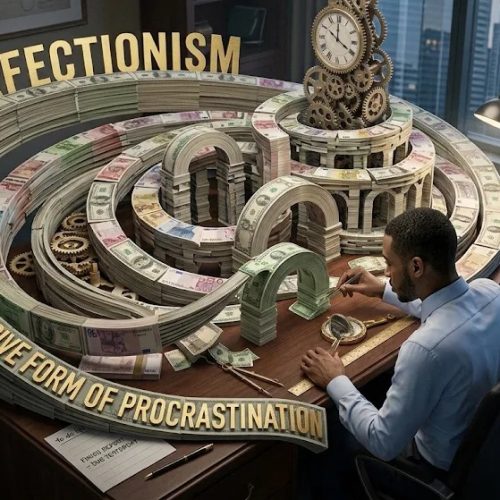




The pursuit of perfect preparation often costs more than the mistakes it was meant to prevent.
By Margaret Nekesa
There is a difference between preparing carefully and preparing endlessly without ever acting. Research, planning and practice serve a purpose — but they become counterproductive the moment they permanently replace the action they were meant to support.
Consider two people starting an online business. The first spends months comparing platforms, studying branding and researching successful entrepreneurs. The second picks a simple product, builds a basic version and puts it in front of real customers. The second person makes mistakes, faces criticism and discovers the original idea needs rethinking. But they also begin learning what actually matters — customer behaviour, pricing, the unglamorous mechanics of running something real. The first person accumulates theory. The second accumulates experience.
This is not an argument against planning. Decisions involving significant financial, legal or personal risk genuinely require preparation, professional guidance and clear thinking. The point is that preparation must have a destination. It should lead somewhere, not circle endlessly back to itself.
Small beginnings reduce the pressure to produce something extraordinary immediately. Starting with what is available, then improving through real feedback, is a more honest education than any amount of advance research. Perfection, when used as a standard that must be met before anything begins, quietly becomes an excuse — a respectable-sounding reason to avoid the discomfort of actually starting.
Progress rarely comes from getting everything right the first time. More often, it comes from having the courage to begin before you feel ready, learning what only experience can teach and improving as you go.
The most expensive mistake is the one you never make because you never started.