


From a broken 80% promise to a bold 100% loan model, Kenya’s university funding overhaul is the most consequential education reform in a generation.
By Comfort Meredith
Kenya’s university funding system has long been built on a promise the government never kept. Under the old Differentiated Unit Cost model, the state pledged to cover 80 per cent of tuition costs. In practice, disbursements fell to between 37 and 40 per cent, forcing students to shoulder 60 per cent — and pushing public universities into cumulative debt of nearly KSh 67B by 2022.
The Student-Centred Model introduced in 2023 attempted a fix by sorting students into five income bands, with government covering between 30 and 95 per cent depending on household need. The concept was sounder than its execution — thousands were placed in the wrong bands, compounding the injustice.
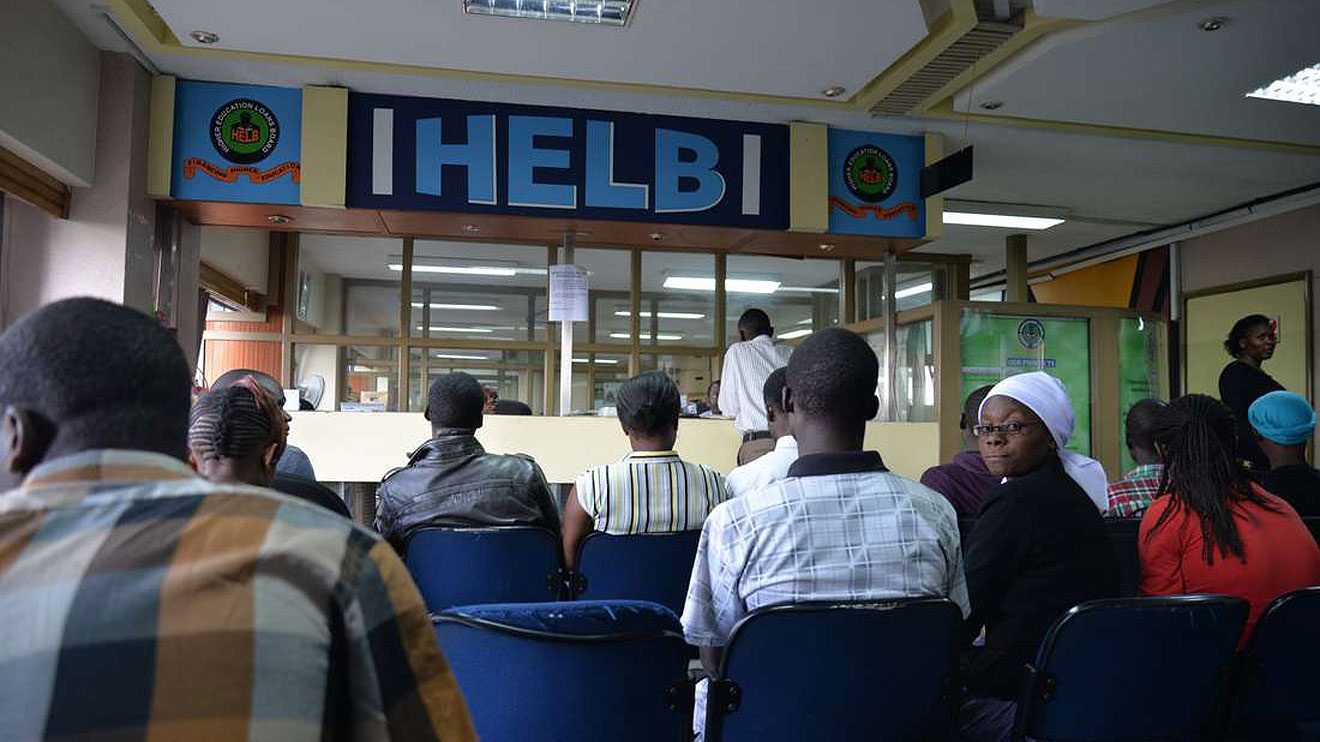
Education Cabinet Secretary Julius Ogamba has declared both models failures. His proposed Tertiary Education Placement and Funding Bill 2026 merges HELB, the Universities Fund Board and the TVET Funding Board into a single authority. Under the new model, government will cover 100 per cent of tuition for all KUCCPS-placed students — including those at KMTC’s 71-plus campuses. The full amount is a loan, repayable once graduates enter employment, with minimum monthly repayments of KSh 5,000 for formal employees and KSh 1,500 for low-income earners.
For 2026/2027, KSh 22.12B has been disbursed. Semester fees now range from KSh 5,814 to KSh 75,000. The bill is expected before Parliament by December 2026.
Kenya has rebuilt this system twice and failed both times. The third attempt must deliver.