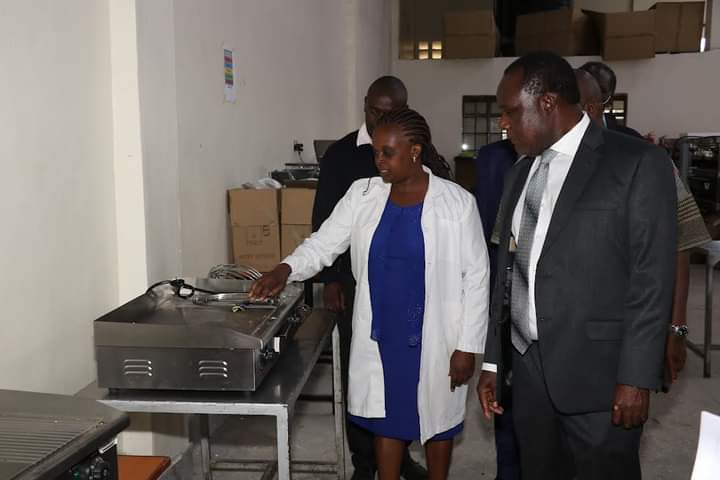

Technical Vocational Education Training Institutions (TVETs) and polytechnics are being advised to realign their curricula with current and future industrial needs as the world transitions to the technological revolution. The Principal Secretary for the State Department of Industry in the Ministry of Investments, Trade, and Industry (MITI), Dr. Eusebius Juma Mukhwana, stated that aligning training with industrial needs will have a ripple effect on the economy, as businesses are likely to expand and create new jobs if they can find the talents they need. The Kenyan government is supporting the creation of County Aggregation Industrial Parks (CAIPS) to help grow industrialization and middle income, providing a quality of life to all Kenyans by 2030 in a clean and secure environment. The “Viwanda Mashinani” programme has attracted many partners and potential investors, and the United Nations Industrial Development Organisation (UNIDO) will provide technical assistance.
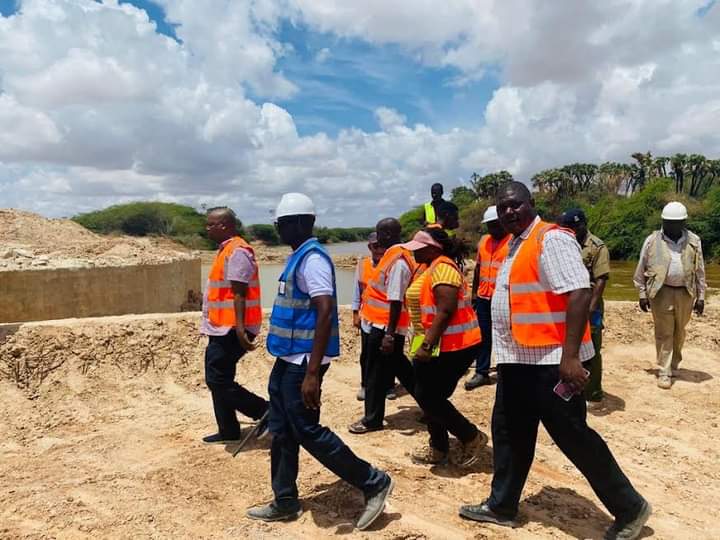 The Bura Irrigation and Settlement Scheme Rehabilitation Project, which will upgrade the country’s irrigation system from a pump-fed to a gravity-fed system, will improve food security and enhance beneficiary income and manufacturing through irrigation of industrial crops like cotton and sunflower. The project, which has taken 10 years to complete, is divided into three phases, each with a contract sum of Sh1.7 billion. Phase One focuses on the construction of a diversion canal and intake works at KoraKora, while Phase Two focuses on the construction of a 26-kilometre new canal and associated works from Korakora to Nanighi. Phase Three will involve the rehabilitation and lining of existing infrastructure. The commissioning of phases one and two is slated for April 2024. The project is in line with the Bottom-Up Economic Transformation Agenda (BETA)—agriculture pillar and will play a pivotal role in making Kenya food-sufficient. The project is funded by the Government of Kenya, the Kuwait Fund for International Arab Economic Development, the Arab Bank for Economic Development in Africa, and the OPEC Fund for International Development.
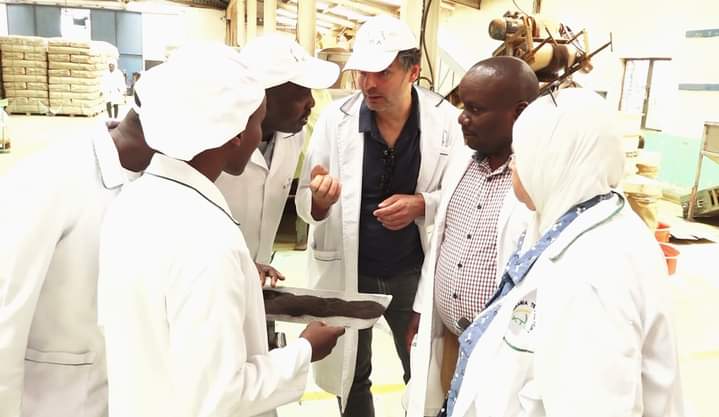 FairTrade-certified tea factories in the country are being encouraged to invest in quality tea production at the farm level to attract the extra sum paid on top of the selling price, known as Fairtrade Premium grants. This additional sum is given to farmers’ cooperatives to invest in projects of their choice to improve their social, economic, and environmental conditions. Fairtrade Africa Marketing Committee Member Vereist Wulter believes that selling on Fairtrade terms equips farmers with better incomes by eliminating unfair market competition. He encourages smallholder factories to secure the Fairtrade Mark for their produce to negotiate better prices than conventional market prices, giving farmers an incentive to farm better. The official also said the tea factories should also strive to increase the quality and make consumers aware that slightly more expensive tea is better.
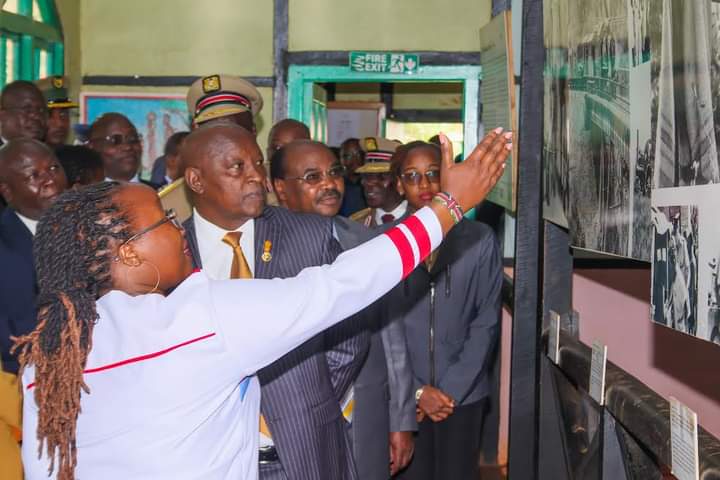 Nyeri County government is partnering with National Museums to develop three historic Mau Mau sites in the county. The Nyeri Museum houses relics from the Kikuyu community’s colonial era, while the Mau Mau flag site is where freedom fighters assembled twice in 1952 to declare war against the colonial administration and surrender their arms in 1963. Nyeri Governor Mutahi Kahiga has also proposed building a Mau Mau Museum in Karuna-ini, where Field Marshal Dedan Kimathi was shot and captured by British soldiers. The county government is ready to work with the national government to improve the status of these sites and has appealed to the president for a 99 or 100-year lease for a 10-acre piece of land in Karuna-ini. Kahiga expressed optimism with the current administration in addressing the emotive land issue for freedom fighters, stating that the freedom struggle aimed to secure the country’s independence and recover land from colonialists.
 The Kirinyaga Investment and Development (Amendment) Bill 2023 has been passed by the Kirinyaga County Assembly, paving the way for the Sagana Industrial Park. The new county corporation, KIDA, will be a County Corporation established under Section 182 of the Public Finance Management Act. It will consist of a secretariat, a board, a County Executive Committee Member, a County Attorney, an accounting officer, and four marginalised persons. The bill aims to provide guidelines for setting up an industrial park at Sagana, providing jobs for thousands of youth, and reducing drug and alcohol abuse among the youth. The park will also benefit locals through land appreciation and tourism opportunities. The bill will also protect investors’ investments, as they will be protected by law.
Similar Posts by The Mt Kenya Times:
- Mt Kenya Times ePAPER October 27, 2026
- Sifuna draws hope from Serbia and Brazil as Kenya’s 2027 race heats up
- Uhuru calls for unity as he marks 65th birthday
- Kenya establishes international crimes division: Justice delayed, but will it be delivered?
- World marathon champion Jepchirchir suspended in fresh blow to Kenya’s clean sport drive
About the Author