Zimbabwe to roll out emotional learning programme to all 72 districts
 The Mt Kenya Times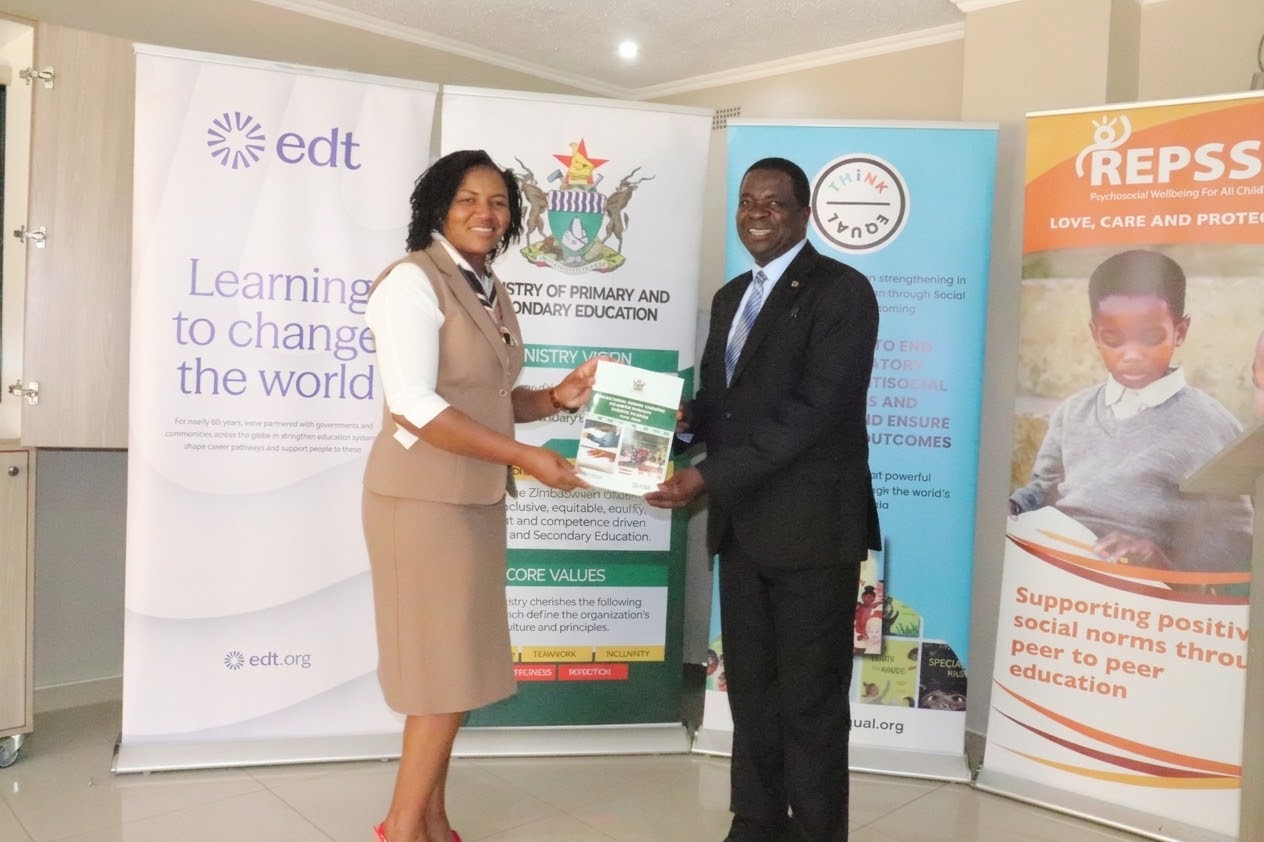
Pilot results from three provinces show measurable gains in social and emotional competencies among early childhood learners.
By Azriel Chimeno
Zimbabwe is set to expand its Social and Emotional Learning programme to the remaining 54 districts nationwide, following encouraging results from an initial pilot in 18 districts across Mashonaland Central, Manicaland and Matabeleland South provinces.
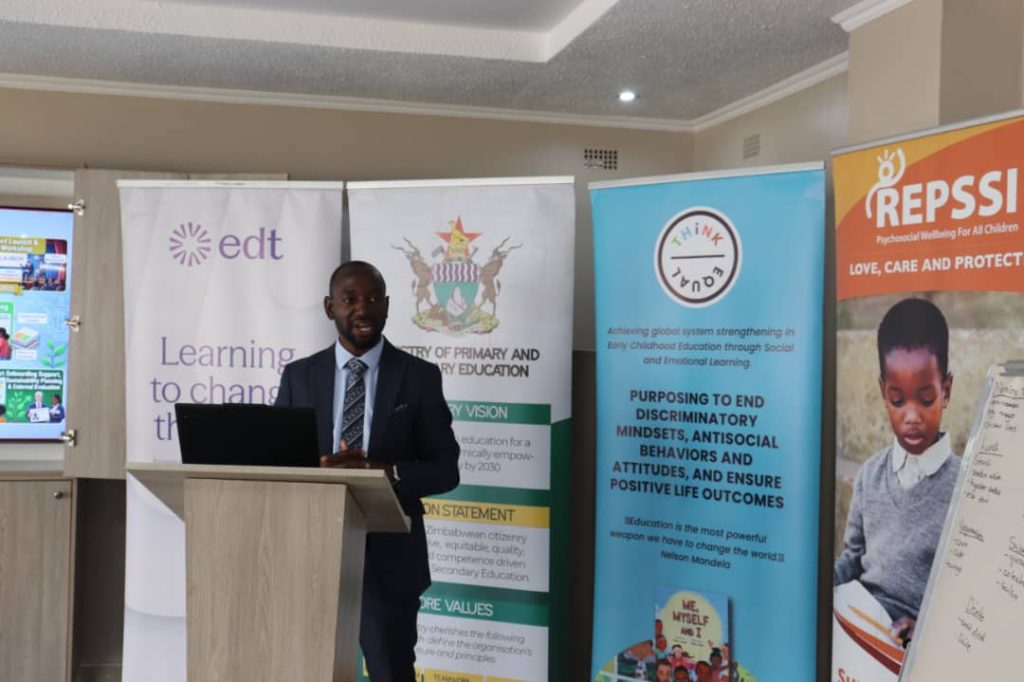
The announcement was made yesterday by Taungana Ndoro, Director of Communication and Advocacy in the Ministry of Primary and Secondary Education, on the sidelines of a national workshop held at Sky Lodge in Kadoma to disseminate the programme’s evaluation findings and the Ministry’s Strategy on Gender Equality, Disability and Social Inclusion.
“From the results we are getting, they are on a positive trajectory. As a ministry we are going to take this to the remaining 54 districts of our country,” Ndoro told journalists after the workshop.
The SEL programme, implemented by the Ministry with support from Education Development Trust (EDT), Think Equal and REPSSI, targets Early Childhood Development learners aged three to six and focuses on building 25 core competencies. These range from self-confidence, empathy, mindfulness and emotional literacy to resilience, critical thinking, problem-solving, gender equality and peaceful conflict resolution. Funding has been provided by the UK Government under the Teacher Effectiveness and Equitable Access for All Children initiative.
Ndoro said the goal is to develop children who are emotionally intelligent from an early age. “We want our children to be able to have emotional intelligence at a very young age. When they grow up, they will become better citizens,” he said. “Even if you are a CEO or a manager, those are the skills you need — what we call intangible or soft skills. They go beyond the cognitive domain.”
External evaluation findings from the pilot phase were compelling. According to EDT, 99 per cent of infant teachers reported observing improvements in learners’ SEL competencies after participating in the programme, with the biggest gains recorded in problem-solving and critical thinking — skills that teachers say are already translating into better classroom engagement and learning outcomes.
Loveness Chimuka of EDT described the programme as central to operationalising Zimbabwe’s 2024 Early Learning Policy. “Its goal is to ensure that children have the emotional resilience, problem-solving and critical thinking skills they need to thrive in school and beyond,” Chimuka said. She added that scaling up would allow more schools to benefit from the approach while standardising and strengthening the School Infant Module to build foundational skills in numeracy, literacy and social-emotional competencies.
Tinotenda Chigeza, Africa Programmes Manager at Think Equal, underscored the scientific rationale for targeting early childhood. “We are targeting ECD level because according to neuroscience, these are the brain-building years. Ages three to six are the years where children are most receptive, and that is where we want to lay the foundation for lifelong skills,” Chigeza said. Think Equal said it was open to further partnerships to support holistic foundational learning across the country.
Blessing Manditsera, Programmes Manager at the Regional Psychosocial Support Initiative (REPSSI), said the evaluation confirmed that training teachers and district and provincial structures over the past year was yielding results. “We are hoping that this work is actually contributing to tangible results. It is changing lives,” Manditsera said.
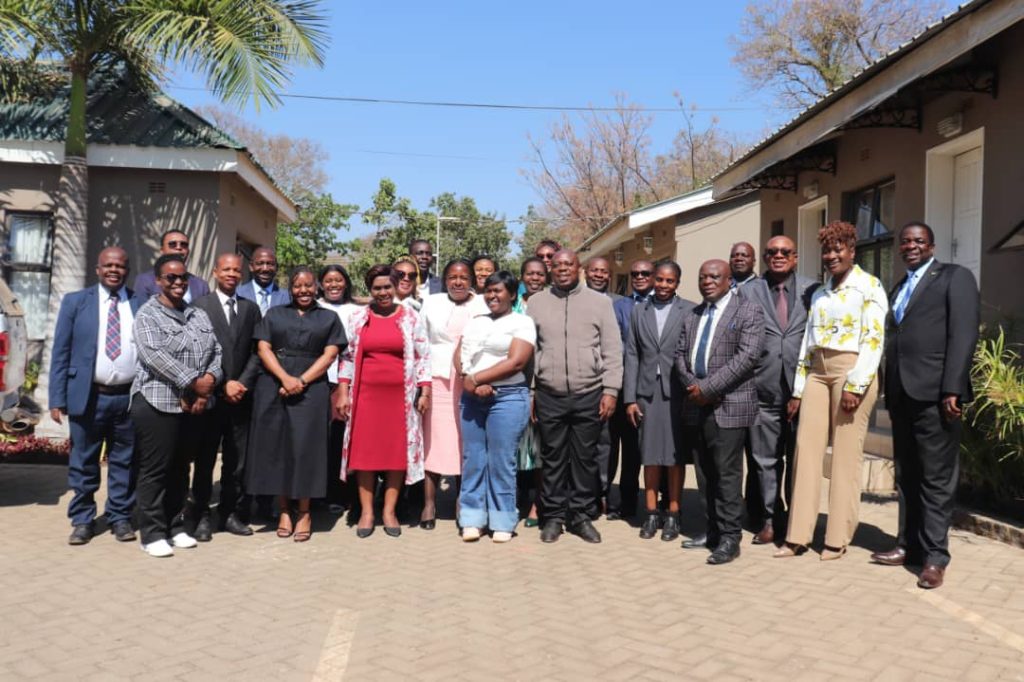
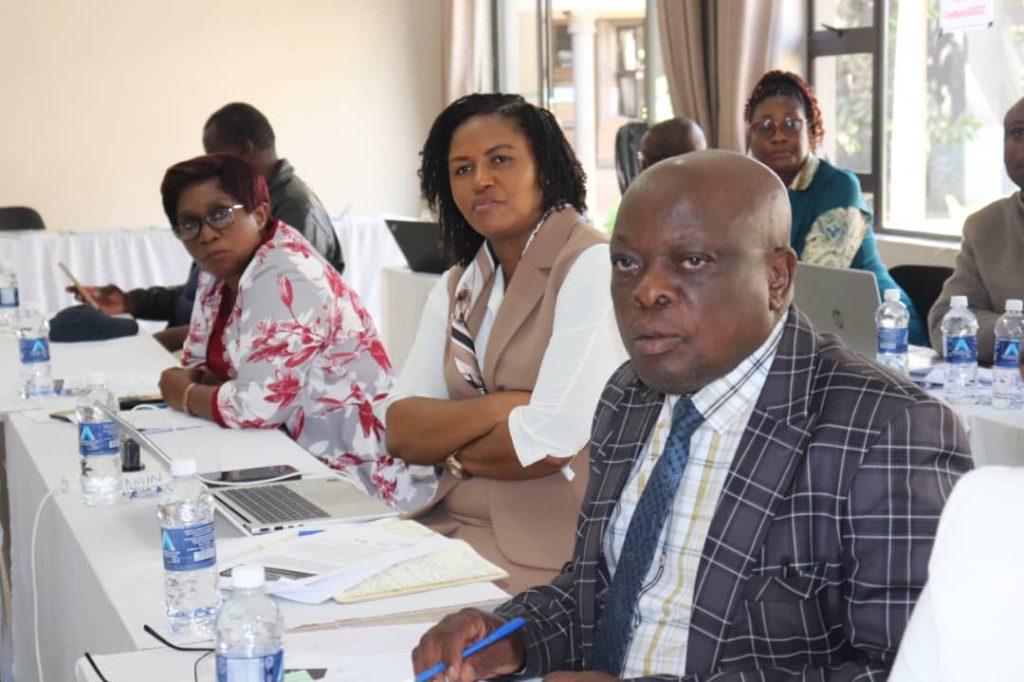
The workshop brought together senior Ministry officials and development partners, including Chief Directors for Provincial Education Services from Manicaland, Mashonaland West, Mashonaland Central and Matabeleland South, alongside deputy directors responsible for infant education, learner welfare, gender, curriculum development and strategic planning.
The event also served as a platform to launch the Ministry’s 2025–2030 Strategy on Gender Equality, Disability and Social Inclusion, designed to ensure that no learner is left behind due to gender, disability or social background.
Zimbabwe has 72 districts in total. With the nationwide rollout now confirmed, the Ministry said it would focus on teacher capacity building, community engagement and continued monitoring to ensure the gains recorded in the pilot are replicated across all provinces. EDT, Think Equal, REPSSI and the UK’s Foreign, Commonwealth and Development Office will continue as implementation partners.
Ndoro described the expansion as another brick in building the Zimbabwe envisioned under Vision 2030 — a generation that is not only academically competent but socially responsible and emotionally resilient.

Similar Posts by The Mt Kenya Times:
- Mt Kenya Times ePAPER October 16, 2026
- Oburu marks birthday and brother’s death from Nairobi Hospital bed
- Natembeya and Orengo demand answers over security withdrawal
- Linda Mwananchi Movement: The brand that could reshape Ruto’s path to 2027
- ODM and Linda Mwananchi clash at Raila’s Bondo memorial
About the Author