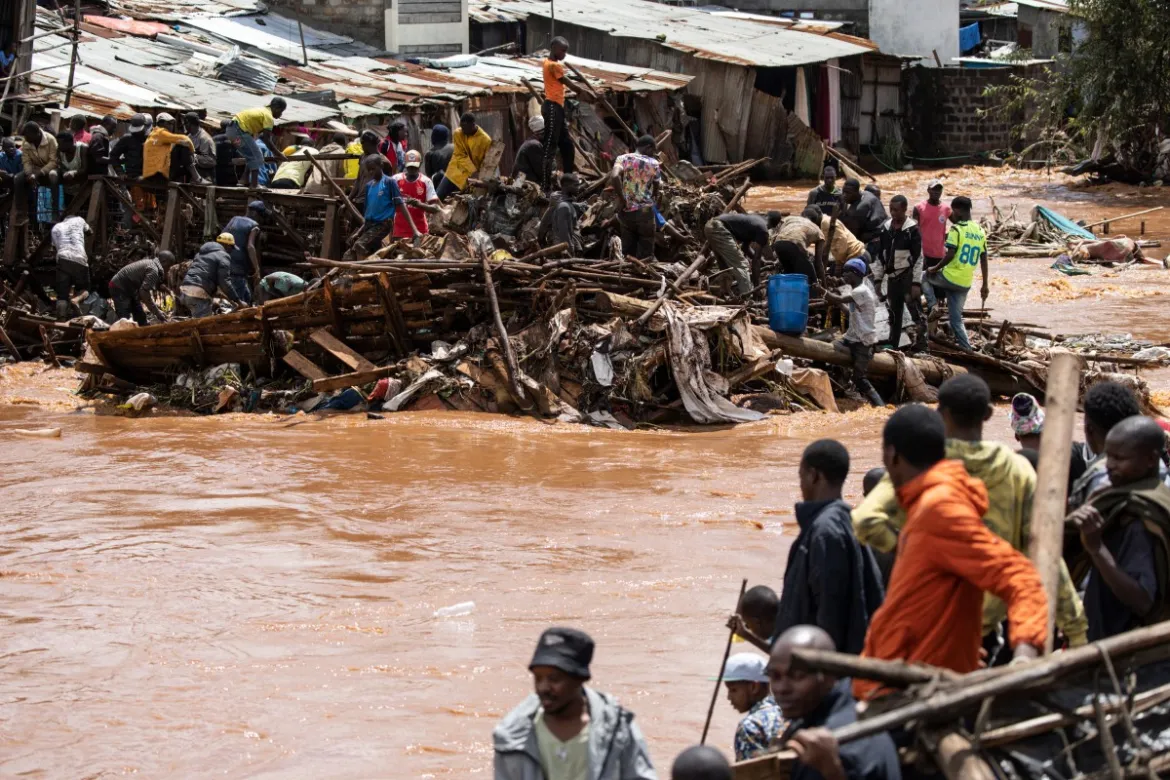
Deadly floods wreak havoc in Kenya's capital

Flooded waters caused by heavy rainfall, overflowing rivers pose significant health risks to Kenyan communities beyond the immediate dangers of drowning and displacement, stagnant floodwaters can become breeding grounds for waterborne diseases.
Waterborne diseases are caused by pathogenic microorganisms that thrive in contaminated water sources. During floods, sewage systems may overflow, mixing with floodwaters and contaminating them with bacteria, viruses, and parasites. Additionally, agricultural runoff, industrial waste, and debris can further pollute floodwaters, exacerbating the risk of disease transmission.
One of the most common waterborne diseases associated with flooding is cholera. Cholera is caused by the bacterium Vibrio cholerae and is characterized by severe diarrhea and dehydration. Floodwaters contaminated with cholera bacteria can quickly spread the disease, particularly in densely populated areas with inadequate sanitation infrastructure.
Another significant concern is the transmission of waterborne viruses, such as hepatitis A and norovirus. These viruses can cause gastrointestinal illness, with symptoms ranging from mild to severe. Floodwaters contaminated with fecal matter or sewage are particularly high-risk environments for viral transmission, as the viruses can survive in water for extended periods.
Parasitic infections, such as giardiasis and cryptosporidiosis, are also prevalent in flooded areas. Parasites like Giardia and Cryptosporidium thrive in contaminated water sources and can cause gastrointestinal symptoms, including diarrhea, abdominal cramps, and nausea. Ingesting or coming into contact with contaminated floodwaters puts individuals at risk of parasitic infection.
To mitigate the risk of waterborne diseases in flooded areas, immediate action is crucial. Authorities should prioritize providing access to safe drinking water and sanitation facilities to prevent the consumption of contaminated water and promote proper hygiene practices. Boiling water or using water purification tablets can also help kill or remove pathogens.
Furthermore, public health education plays a vital role in raising awareness about the risks of waterborne diseases and how to prevent them. Communities should be informed about the importance of avoiding contact with floodwaters, practicing good hygiene, and seeking medical attention if they experience symptoms of illness.
Ultimately, addressing waterborne diseases in flooded areas requires a multi-faceted approach that combines infrastructure improvements, emergency response measures, and community engagement. By prioritizing public health and taking proactive steps to reduce the risk of disease transmission, communities can mitigate the impact of floods on human health and well-being.
Saumu Pili And Wanjiru Jane
Rongo University
Similar Posts by The Mt Kenya Times:
- Mt Kenya Times ePAPER October 23, 2026
- Ruto’s parting COMESA call: Remove the barriers, honour the commitments
- Direct hospital access to KEMSA cuts drug delays, says PS
- Africa can’t wait: Continent seeks $1 trillion for climate adaptation
- Ruto passes the baton as Africa’s trade bloc faces a fragmenting world
About the Author